Kathmandu Day Tour: Must-See Sights and Cultural Delights in Nepal
Kathmandu, the capital of Nepal is a gathering place for all the tourists after their arrival. Most...
OVERVIEW & HIGHLIGHTS
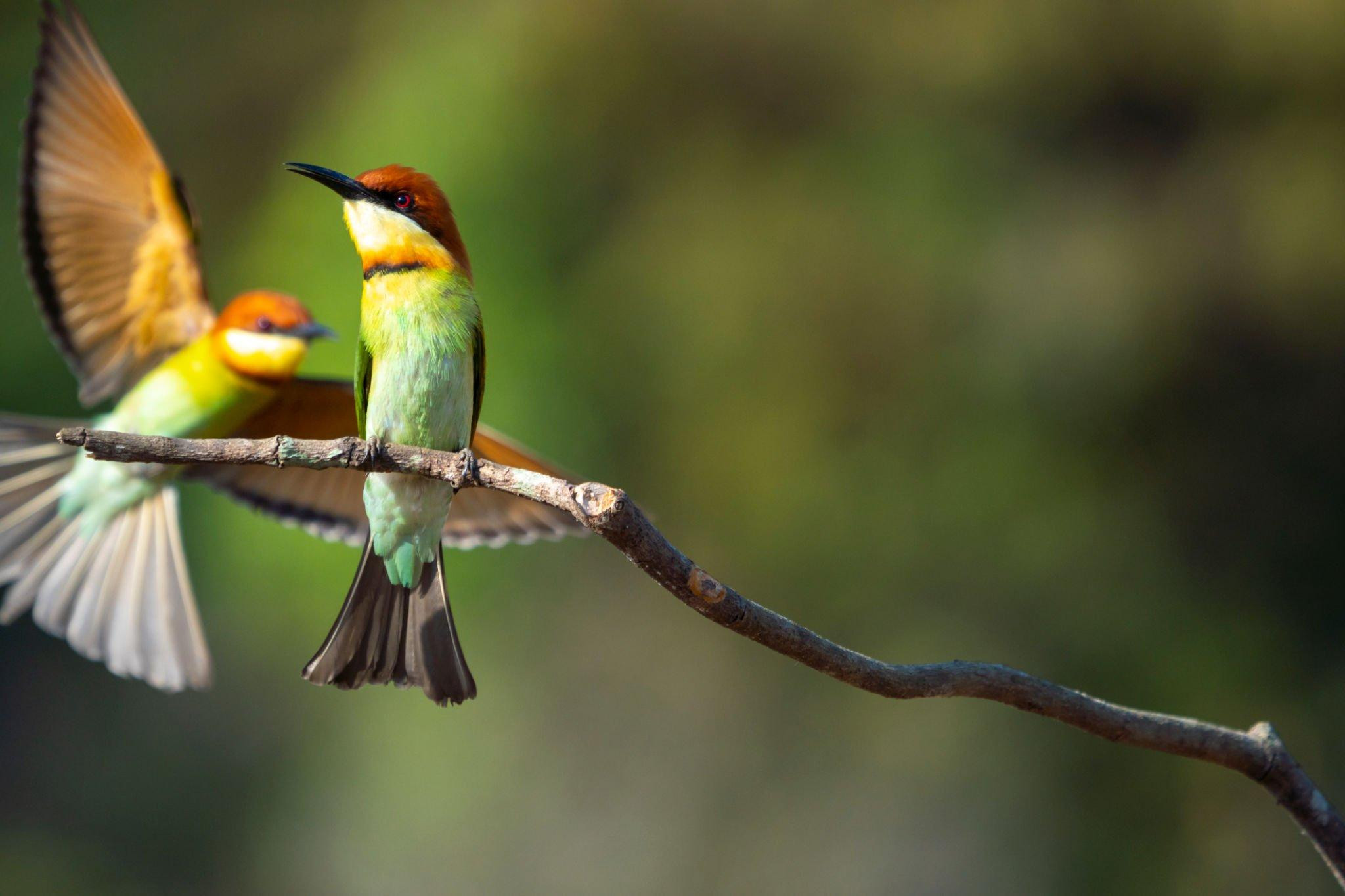
Nepal's geographical and climatic diversity provides a habitat for 915 bird species belonging to residential and migratory categories. Birds are useful indicators of global biodiversity because they have dispersed and are diverse in almost all terrestrial regions, altitudes, and habitats. For Nepal, birds are also an important natural resource with high economic value, as many eco-tourists visiting Nepal love bird watching, which also has a significant role in biodiversity conservation. Spiny Babbler is the only endemic bird of Nepal. There are nine protected species in Nepal: they are Danphen (National bird of Nepal), Cheer Pheasant, Satyr Tragopan, Bengal Florican, Lesser Florican, Great Hornbill, Sarus Crane, Black Stork, and White Stork.
Pokhara Valley is full of many lakes, thus giving the name "A City of Lakes" in Nepal. Gandaki province of the western part of Nepal hosts Pokhara with a steep gradient in landform with an elevation rise of 600 to 2500 meters. Pokhara is headquartered in the Gandaki province of Nepal. The name Pokhara itself is derived from the word 'Pokhari', which means pond. The valley is considered the tourism capital of Nepal; It is the gateway for trekkers undertaking the Annapurna circuit and is famous for short treks within the Annapurna Conservation Area.
Pokhara Valley is highly rich in bird diversity; it significantly holds more than half of the total bird species found in Nepal. A total of 487 bird species have been reliably recorded from the valley so far. The valley is a popular route for raptors during migration season. It is also the only place to find Nepal's nine species of vultures. Some important hotspots in Pokhara Valley are Phewa Lake, Begnas Lake, Rupa Lake, Khaste and Neurani Lake, Gundhe Lake, Banpale Danda, Sarangkot, Dumping Site, Ghachowk Vulture Safe Feeding Site, etc.
Dayaram Adhikari, Trekking Guide
Since founding North Nepal Trek in 2015, Mohan Raj Bhandari has kept a close eye on the Bird Watching Tour in Pokhara, and Dayaram Adhikari shares firsthand insight from personally leading this tour, so you know exactly what to expect before you go.
For the second day of the Pokhara bird watching tour, we leave for Begnas at 6 if you stayed at Lakeside or start our bird watching tour at 6 if you stayed overnight on Begnas Lake.
Begnas Lake and Rupa Lake are situated in the northeastern part of Pokhara Valley within Gandaki province. The various species of bird-like Tufted Duck, Great-crested Grebe, Osprey, and passage migrants, such as Greater Necklaced Laughing Thrush and Lesser Racket-tailed Drongo, can also be found here.
After a bird bird-watching tour in Begnas Lake, we head toward Rupa Lake. It takes a 30-minute or 2 hours of hiking, and you can choose whether to drive or hike. Rupa Lake is famous for birds like for bird species like the Mallard, White-tailed Sea Eagle, Asian Woolly neck, and Greater Painted Snipe. Moreover, the unique bird species like the Crested Kingfisher, Indian Spot-billed Duck, Black-crowned Night Heron, etc. Overnight stay at Rupa Lake or Begnas Lake.
We start our drive towards Khaste, Neurani, and Gunde Lake early morning. The lake lies within the same area, so we can witness them individually. The bird species found here are Ferruginous Pochard, Mallard, Cinnamon Bittern, and Yellow Bittern; however, critically endangered bird species like Yellow-breasted Bunting and White-rumped Vulture can also be found here. Overnight stay at Begnas Lake.
After early breakfast, we drive to Dipan Lake on the fourth day of the Pokhara bird watching tour; it is a drive of about 1 hour from Begnas Lake. Although the lake is small, we can witness common bird species like the Crested Serpent Eagle, Egyptian Vulture, Bonelli’s Eagle, and Mountain Hawk Eagle. However, this lake also offers rare species like the Cinnamon Bittern, Lesser Whistling Duck, Little Grebe, and the critically endangered White-rumped Vulture.
After here, we drive to Ghachowk, where we have lunch at the Ghachowk Vulture Restaurant. This restaurant was established in 2010 and hosts retired and disabled cattle, which are collected and reared, providing proper food and shelter until their death. After death, they are fed to vultures, conserving the birds and the ecosystem. The bird species found here in Ghachowk Vulture Restaurant are Bonelli’s Eagle, Common Kestrel, Eurasian Sparrow hawk, Red-billed Blue Magpie, etc., and the eight eagle species of Nepal (Red-headed, Slender-billed, White-rumped, Egyptian, Eurasian, Himalayan, Bearded, and Cinereous) can also be witnessed during the fourth day of Pokhara bird watching tour. Overnight stay at Ghachowk.
Early morning, we drive towards Dobhilla, where you can witness the Gandaki River in its pristine form. Dobhilla is famous for its vultures, and the species of birds found there are white-rumped, Slender-billed Paddyfield Pipit, etc.; also, the Spiny Babbler, the bird found only in Nepal, is frequently seen there.
The landfill is just on the opposite side of Dobhilla. It was used as the dumping side until 2022, but bird species like Egyptian vultures can now be seen more frequently there. Landfill and Dobhilla almost offer same variety of bird species but bird species like the Common Kestrel, Paddyfield Pipit, Common Stonechat, Long-tailed Shrike, Black Kite, Eurasian Sparrow hawk, Steppe Eagle, etc., can be witnessed near the Landfill area.
After that, we drive towards Sarangkot and have lunch here and rest. Sarangkot is also popular as it offers out-of-the-world sunrise and sunset views. Thousand of domestic and international tourist visits Sarangkot for sunrise and sunset. Another thousand visits for Paragliding, a popular adventure sport you can engage in here in Pokhara.
The bird species found here are Spiny Babblers and Black Eagle, including Sunbirds, Laughing Thrushed, Upland Pipit, Warbler, and owls.
After we finish our Sarangkot tour, we still have Banpale left as our last destination of our five days bird watching tour in Pokhara. We drive from Sarangkot to Kaskikot, which takes about 30 minutes, and then hike for about 30 - 45 minutes. You can choose to hike from Sarangkot to BanPale, and during this route, you can also witness the Palace where the King of Kaski resided during the 16th century. The bird species in Banpale are the Kalij Pheasant, Shikra woodpecker, and warbler family.
We drive back to Lakeside and drop you off at your hotel.

Best Season: October to March is prime birding season around Pokhara, when resident species are joined by migratory birds – early mornings offer the best sightings and calmest weather.
Set at comfortable lower elevations around Pokhara Valley, tours feature slow, patient pacing tailored for wildlife viewing on gentle, accessible trails.
Emergency land support and medical assistance are readily available nearby through our Pokhara base for prompt response if needed.
Basic travel insurance covering general medical treatment and outdoor activities is recommended for a worry-free experience.
Secure the Bird Watching Tour in Pokhara for 2026/2027 before the seat gets fully booked.
The Bird Watching Tour in Pokhara is a guided nature experience focused on discovering the diverse birdlife around Phewa Lake, forested hills, wetlands and nearby habitats. It’s suitable for both dedicated birders and travelers who simply want to experience Pokhara’s quieter natural side.
The duration can be arranged according to your interests and schedule. A shorter morning outing works well for travelers with limited time, while a longer birding excursion allows more time to explore different habitats and look for a wider range of species.
Yes. You don't need previous bird-watching experience. A local guide can help you identify birds by their appearance, calls and behavior, while explaining the habitats and ecology along the route.
Yes. Depending on the route, birding can be combined with encounters with local villages, agricultural landscapes and everyday life around Pokhara. This gives the experience a cultural element alongside wildlife observation.
Bring binoculars if you have them, comfortable walking shoes, a hat, sunglasses, sunscreen, water and light clothing suitable for the weather. A small notebook or camera can also be useful for recording sightings.
Equipment arrangements depend on your selected tour package. If you have your own binoculars or camera, you're welcome to bring them. Confirm any equipment rental requirements when booking.
Yes. A private bird-watching tour can be arranged around your preferred date, departure time and birding interests. The route can also be adjusted according to the season and the habitats you want to explore.
Bird watching is possible throughout the year, but early morning is generally the most productive time because birds are more active and temperatures are cooler. Seasonal changes also affect which species and migratory birds you may encounter.
No. Most bird-watching outings are easy and can be adapted to your fitness level. Some routes involve walking on uneven forest trails or gentle hills, so comfortable footwear and a steady pace are recommended.
A standard bird-watching excursion around Pokhara doesn't involve the permits required for restricted-area trekking. If a particular route enters a protected area with an applicable entrance fee or permit, this will be arranged or explained before the tour.
Transportation depends on the selected birding route. Some sites can be reached directly from Pokhara by vehicle, followed by short walks through suitable bird habitats. Pickup and drop-off can be arranged as part of a private tour.
Food and refreshments depend on the selected tour arrangement. For longer outings, you can arrange meals or carry water and snacks for the trail. There is normally no need for overnight accommodation unless the birding program is extended beyond a day.
Because the birding locations are close to Pokhara but may include forested and less-developed areas, mobile coverage can vary. Your guide will help coordinate communication and transportation throughout the outing.
Pokhara and the surrounding forests, wetlands and agricultural areas support a wide variety of Himalayan and lowland bird species. The exact sightings depend on the season, habitat and weather, so no particular species can be guaranteed. The guide will help identify birds by sight and call.
Birding opportunities can be found around Phewa Lake, forested areas, wetlands, river corridors and the hills surrounding Pokhara. Using several habitats increases the chance of seeing different species rather than staying in one location.
Early morning is usually the best time. Birds tend to be more active after sunrise, making the first few hours of the day particularly useful for observing and photographing them before activity decreases as the day warms up.