North Annapurna Base Camp Helicopter Landing Tour
The North Annapurna Base Camp Helicopter Landing Tour starts from Pokhara Airport. This 2 to 2....
From $650 pp



OVERVIEW & HIGHLIGHTS
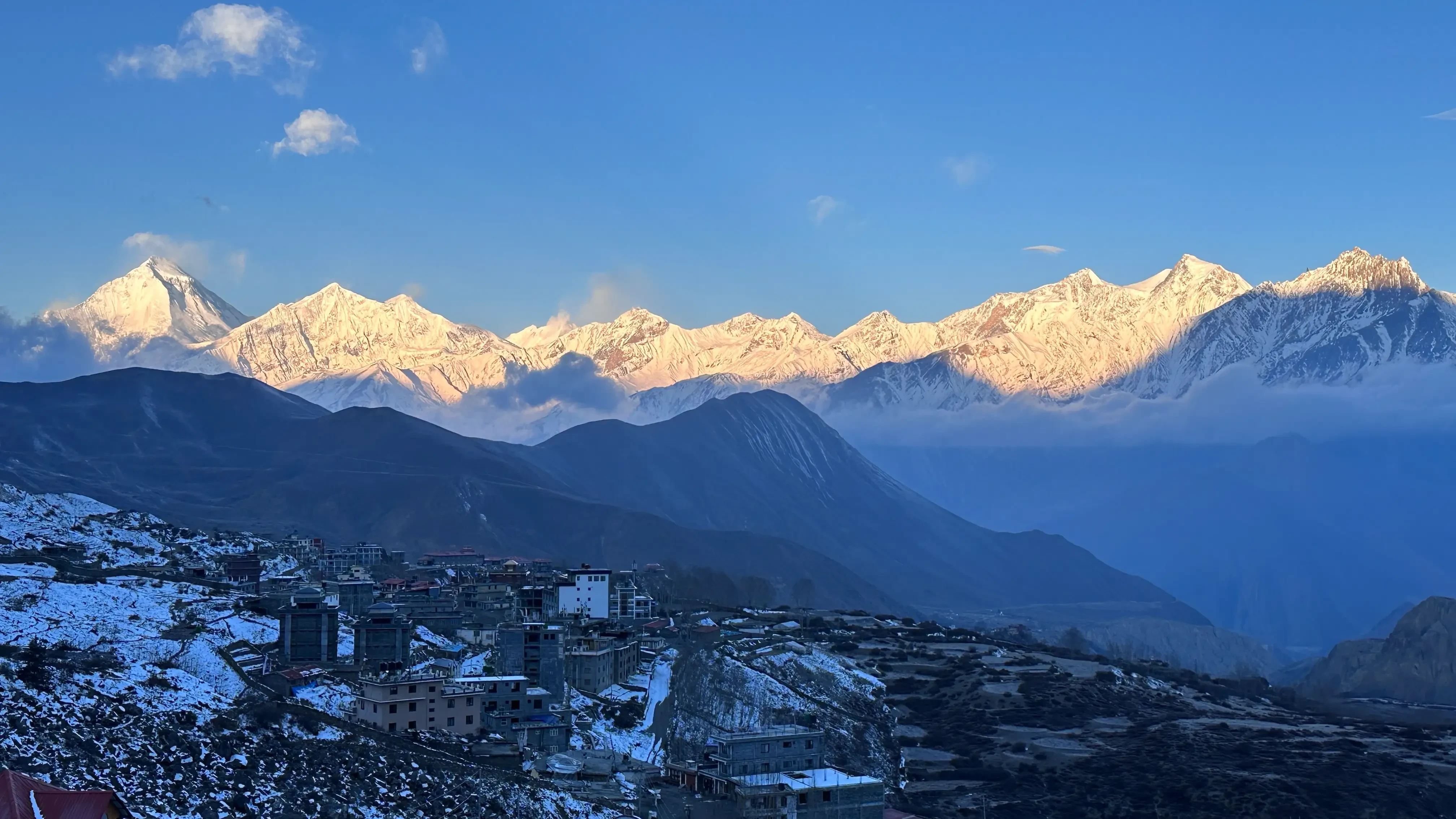
The Muktinath Helicopter Tour is the fastest, easiest, and most convenient way to visit the holy Muktinath Temple, situated at 3,800 m (12,467 ft) at the base of the Thorong La mountain pass. It is the perfect way to visit the temple for those with limited time, older age, or other physical limitations. The Muktinath Helicopter Tour package offers a swift and comfortable alternative to driving or trekking to Muktinath, ensuring a memorable and convenient pilgrimage or exploration experience.


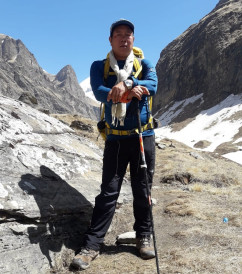
Kumar Gurung, Trekking Guide
Since founding North Nepal Trek in 2015, Mohan Raj Bhandari has kept a close eye on the Muktinath Helicopter Tour, and Kumar Gurung shares firsthand insight from personally leading this helicopter tour, so you know exactly what to expect before you go.
Our journey to the Muktinath tour starts from the Pokhara. You can take a quick 30-minute plane ride to Pokhara from TIA, or if you are traveling by ground transport, you can pass through Nepal-India's major border, Sunauli, or Birgunj. From Pokhara, the flight takes place from the domestic airport.
The Muktinath helicopter tour starts from 7 am early in the morning till 10 am - 12 pm, depending on the season and weather. We will pick you up from the hotel and transfer you to the domestic airport. The domestic airport is close to Lakeside, so no matter where you are in Lakeside, it will be a 10 - 15 min drive at maximum. The helicopter ride from Pokhara to Muktinath takes only 45 minutes.
Itinerary:
From Kathmandu, the helicopter flight to Muktinath takes 1 hour and 15 minutes. The flight leaves from the domestic terminal of Tribhuvan International Airport and lands at Muktinath. After completing the exploration and worship/pooja, the flight back to Kathmandu will take another 1 hour and 15 minutes. Then, we drop you off at your hotel/desired location for breakfast/lunch. Muktinath helicopter tour from Kathmandu is completed in 4 hours.
Itinerary:
Muktinath flights depart only when visibility and weather conditions meet safe flying standards. If conditions deteriorate, we reschedule rather than risk the safety of our guests and crew.
Every Muktinath helicopter flight carries a medical kit and an oxygen cylinder on board, with crew briefed to support older or less mobile passengers throughout the temple visit.
All guests joining the Muktinath Helicopter Tour must carry valid travel insurance covering helicopter evacuation and high-altitude activities before departure.
Secure the Muktinath Helicopter Tour for 2026/2027 before the seat gets fully booked.
The Muktinath Helicopter Tour is a short Himalayan journey from Pokhara to Muktinath Temple, one of Nepal’s most important pilgrimage sites. The helicopter avoids the long overland journey and gives travelers time to visit the temple, experience the high-altitude landscape of Mustang, and return to Pokhara on the same day.
The complete experience usually takes around 4 to 5 hours, including the helicopter flight, landing at Muktinath, time for temple visit and exploration, and the return flight to Pokhara. The exact duration can change with weather and flight conditions.
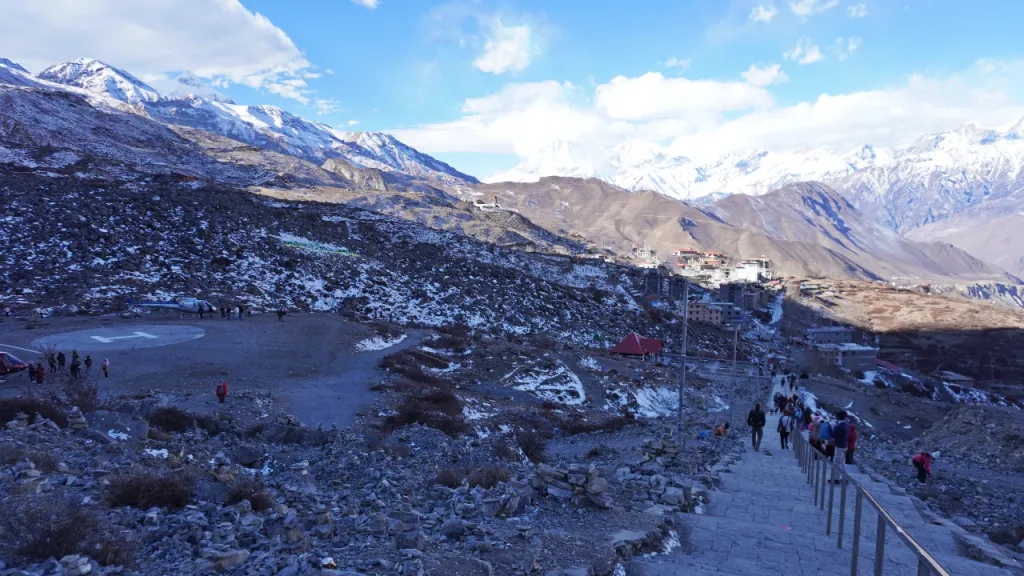
Muktinath Temple is located at approximately 3,800 meters (12,467 feet) above sea level. Because the helicopter takes you rapidly to this elevation, it's important to walk slowly and avoid strenuous activity during your visit.
Muktinath is a sacred pilgrimage site for both Hindus and Buddhists. Hindus worship the site as a sacred place associated with Lord Vishnu, while Buddhists know it as Chumig Gyatsa, meaning “Hundred Waters.” The temple complex reflects the shared spiritual traditions of the Himalayan region.
Yes. The temple complex contains 108 water spouts, traditionally known as Muktidhara. Pilgrims traditionally walk beneath the spouts as part of their religious practice. Visitors should follow local customs and temple instructions while taking part in or observing religious activities.
The standard helicopter tour starts from Pokhara Airport. Depending on the package, hotel pickup and transportation to the airport can be arranged before the flight.
Yes. A private helicopter can be arranged for couples, families, or groups who want exclusive use of the aircraft. Private charter pricing depends on the group size, helicopter availability, and travel date.
Spring (March to May) and autumn (September to November) are generally the most reliable seasons for clear Himalayan views and favorable flying conditions. Muktinath can also be visited during winter, although temperatures can be extremely cold. Monsoon flights are more dependent on cloud cover, rain, and visibility.
Yes. Mountain weather can change quickly, particularly around Mustang. Cloud, fog, rain, snowfall, or strong winds can affect helicopter operations. The pilot has the final authority to delay, reschedule, or cancel a flight when conditions aren't suitable.
The tour is operated with safety as the primary consideration. Experienced pilots assess weather, visibility, wind, aircraft performance, and landing conditions before operating the flight. If conditions aren't suitable, the flight won't proceed simply to maintain the planned schedule.
Yes, although the visit is relatively short. Muktinath is at around 3,800 meters, and the rapid ascent by helicopter gives your body little time to adjust. Walk slowly after landing, avoid unnecessary exertion, and tell your guide or crew if you experience headache, dizziness, nausea, or unusual shortness of breath.
The tour can be a convenient alternative for travelers who don't want to undertake the long road journey or multi-day trek to Muktinath. However, the altitude is significant. Older travelers, children, and anyone with heart, lung, or other serious medical conditions should consider their individual health and consult a doctor when appropriate.
Dress in warm layers. A down or insulated jacket, warm trousers, gloves, hat, sunglasses, sunscreen, and comfortable walking shoes are recommended. The Mustang landscape can be cold and windy even when temperatures in Pokhara are warm.
The helicopter pilgrimage is different from trekking through the Annapurna region. Any applicable aviation permissions, landing arrangements, conservation-area requirements, or local fees are handled according to the current operating regulations and the selected tour package.
The landing schedule normally allows enough time for a temple visit and a short exploration of the surrounding area before the return flight. The exact ground time depends on the flight schedule, weather, landing conditions, and operational requirements.
Meal arrangements depend on the selected package. Because this is a short helicopter tour, travelers should confirm whether breakfast or another meal is included before departure. It's also sensible to carry water and a light snack.
Mobile connectivity can be available around established settlements in Mustang, but coverage isn't guaranteed everywhere. You shouldn't rely on continuous internet access during the helicopter tour. Keep your phone charged before departure and download anything important in advance.
The flight provides views of the dramatic Mustang landscape, Kali Gandaki valley, barren Himalayan slopes, deep mountain valleys, and surrounding snow-covered peaks. The contrast between the green lower valleys and the dry Trans-Himalayan terrain is one of the most distinctive features of the journey.
.webp)
.webp)
.webp)
.webp)