Dhorpatan Trek with Gurja Khani: A Perfect Place for Hunting
The 10-day Dhorpatan Trek with Gurja Khani is an off-beaten-path adventure through western Nepal'...
OVERVIEW & HIGHLIGHTS
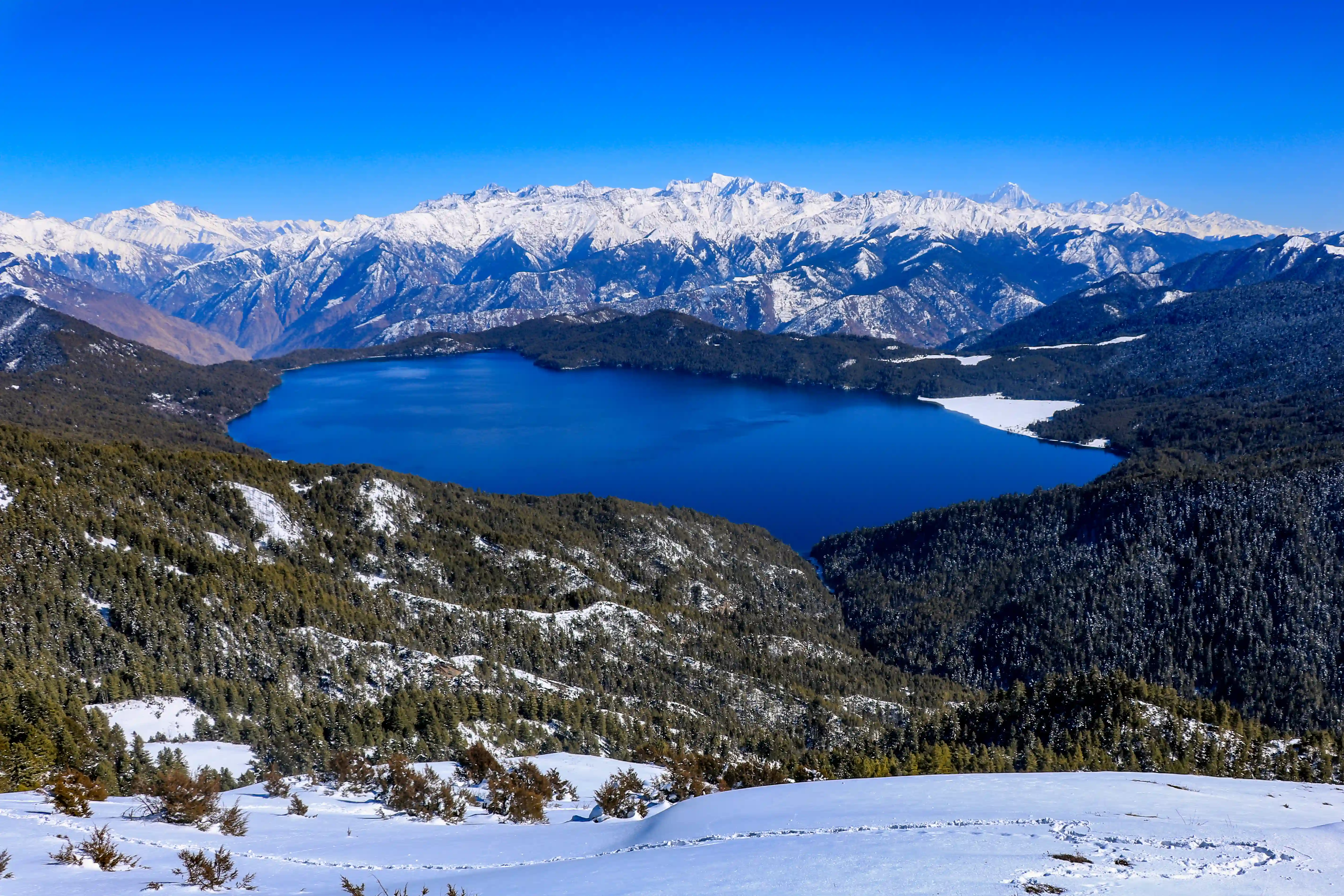
This trek through the remote wilderness of western Nepal offers a superb experience of nature and a visit to Rara Lake, Nepal’s Largest Lake at 3062 meters. Beginning the trek from the mountain airstrip of Jumla after flying from Kathmandu via Nepalgunj, the trail passes through the green countryside.
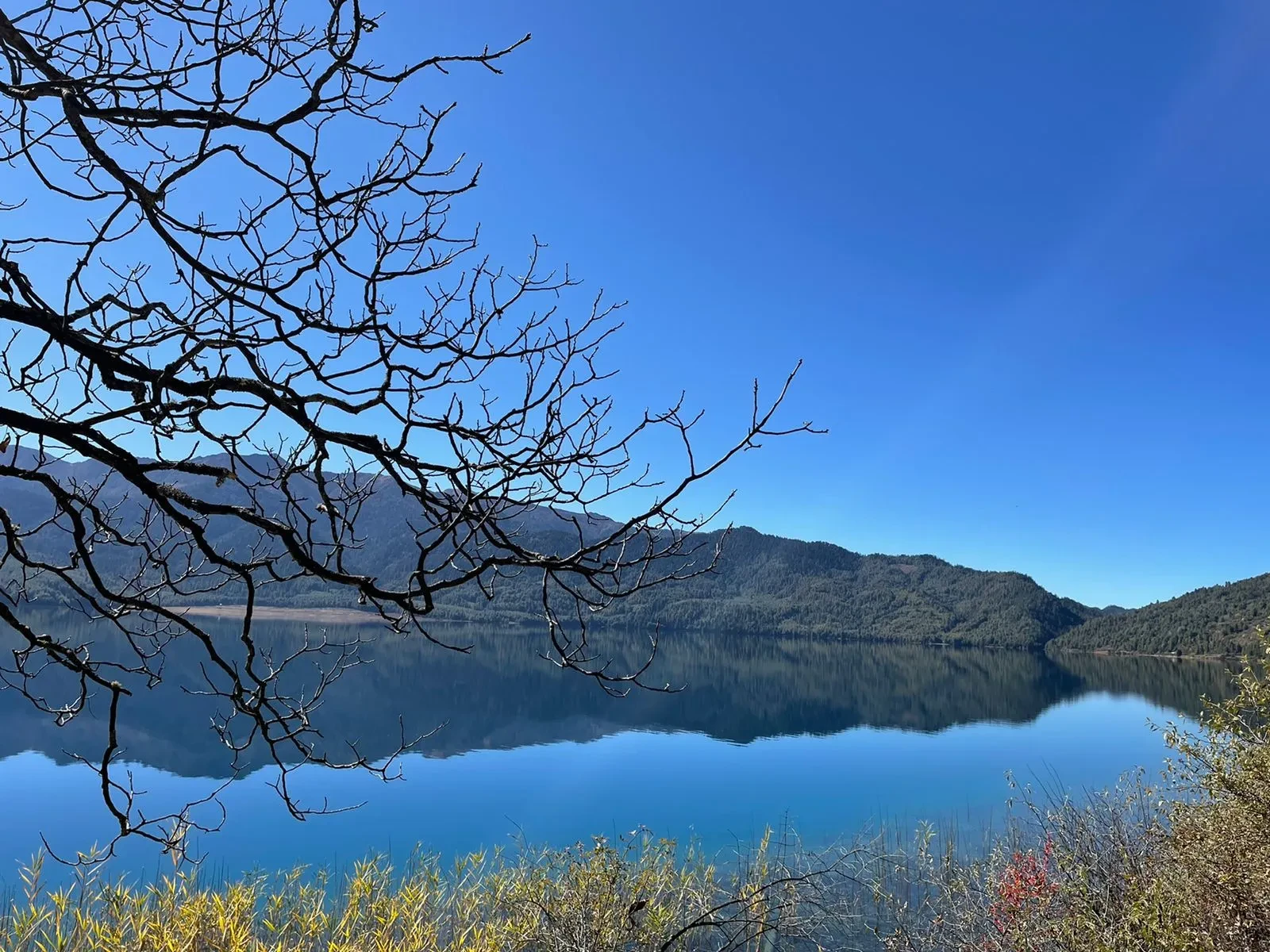
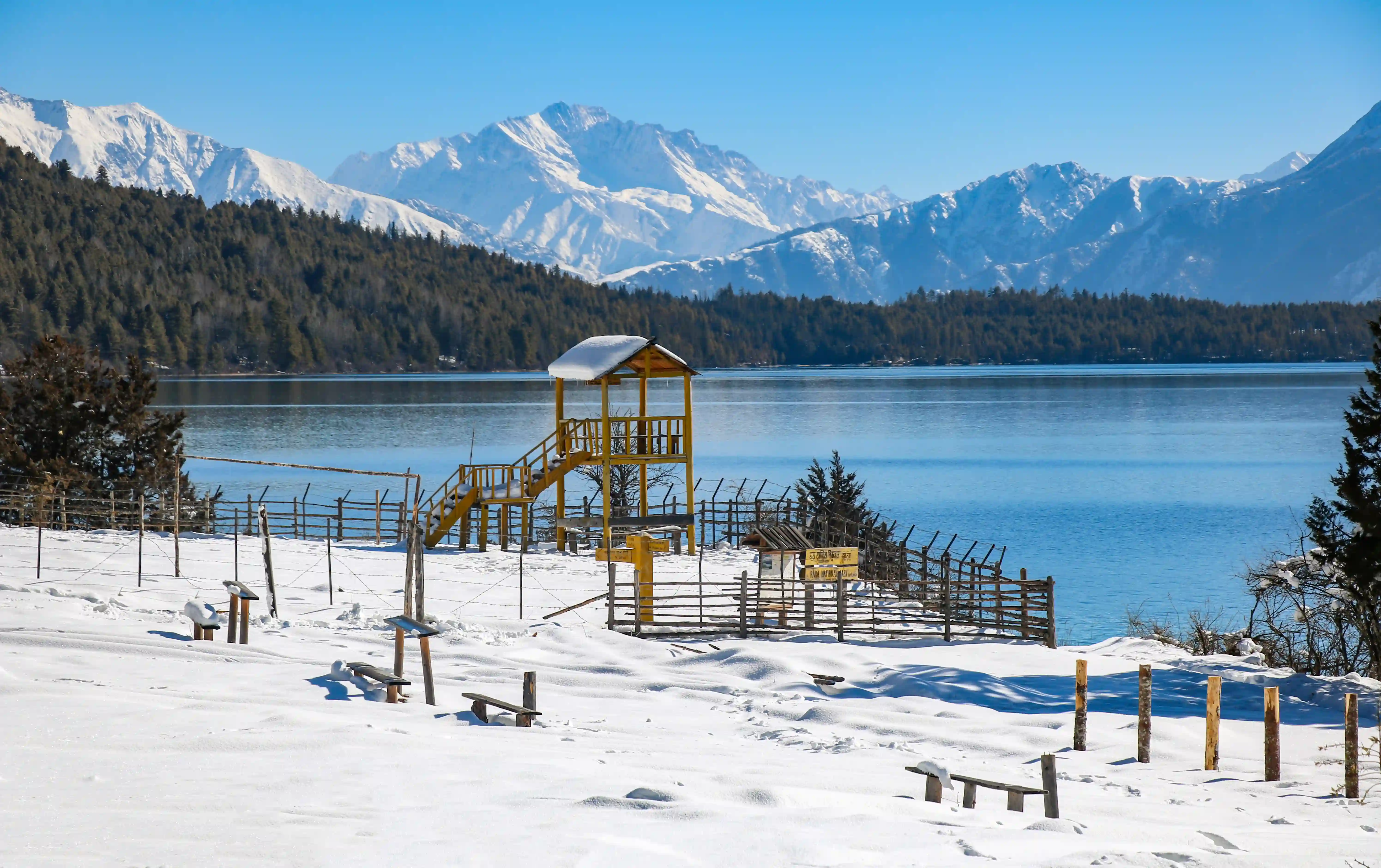
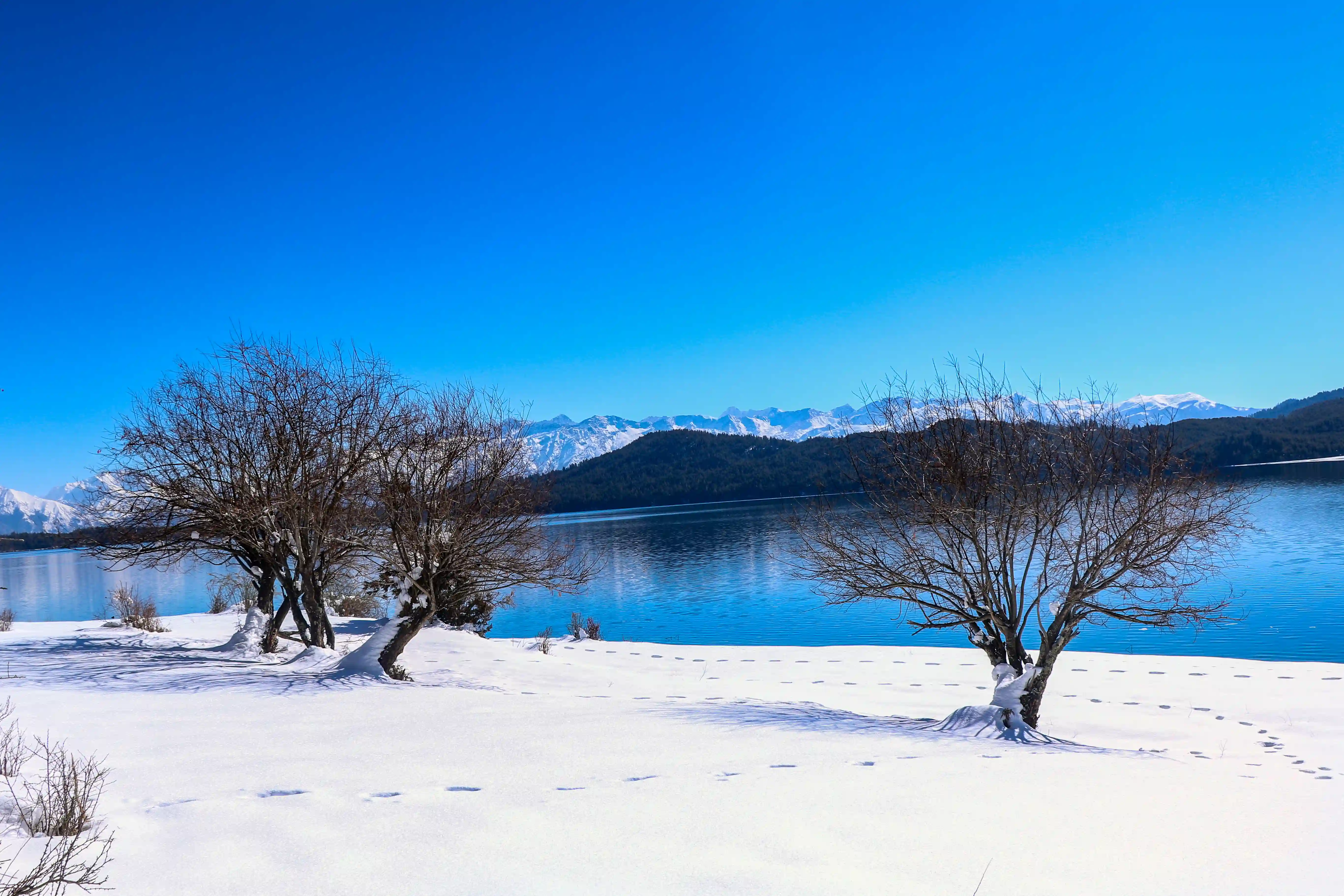
Jumla – Rara Lake Trek throughout caters unusual glimpses of a culture and scenery quite different from that found elsewhere in Nepal and eventually culminates at the Rara Lake inside Rara National Park. This beautiful high-altitude lake is surrounded by alpine meadows and forests of pine, juniper, and spruce, whilst in the background, you can view the magnificent snow-capped peaks of the Himalayas.
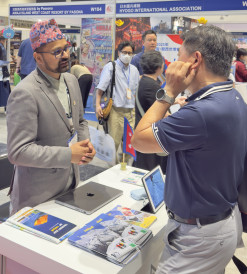
Mohan Raj Bhandari, Founder/Managing director
Since founding North Nepal Trek in 2015, Mohan Raj Bhandari has kept a close eye on the Jumla Rara Lake Trek, and our senior guides shares firsthand insight from personally leading this trek, so you know exactly what to expect before you go.
We board a plane that will take us to Nepalgunj. The flight is merely an hour-long and takes us to the western part of Nepal. We will explore the Terai city filled with diverse culture and tradition.
Photo: Nepalgunj
After having breakfast, we fly to Jumla, which is one of the least accessible regions of Nepal. It is a gateway to the remote Karnali region and sits in the hills of Sisne Himalaya. We will spend the night in Jumla.
Photo: Jumla Airport
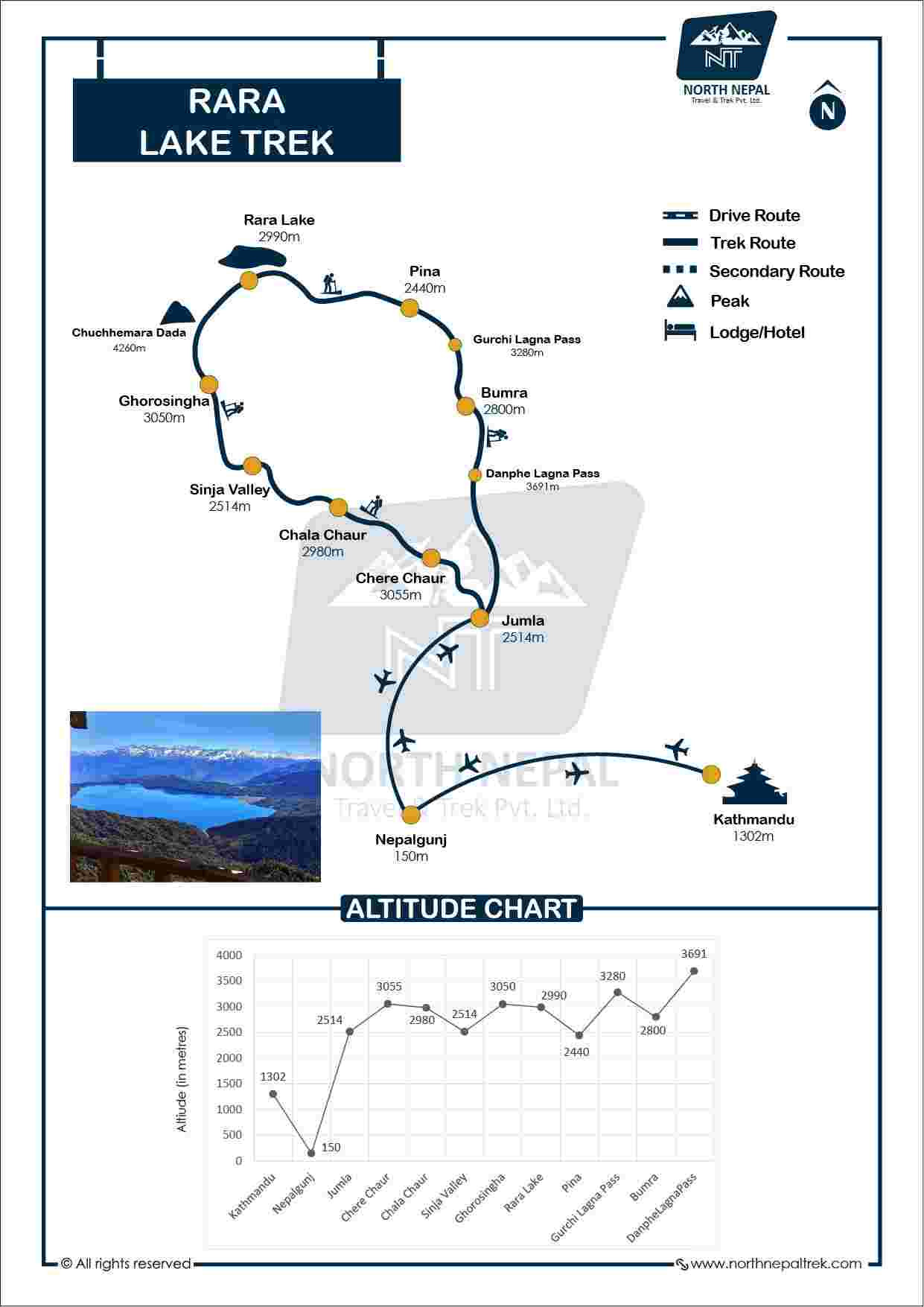
From Jumla, we ascend along the Jugad Khola and pass Khalanga Bazaar. We hike further and pass several villages before reaching Chere Chaur.
Photo: Chere Chaur Jumla
Leaving Chere Chaur, we ascend westward and reach the Jalijala pass. After crossing the pass, we continue on a straight trail. Then, we climb on a steep path and arrive at the Rara Lake Circuit and then at Chala Chaur.
Photo: Chala Chaur
Climbing uphill, we pass through several villages and hike along the stream of Jaljala Khola.
Photo: Sinja Valley (source)
We walk on an uphill path by the Hima River. Climbing on a steep trail, we then reach the Laha village after a while. From there, we ascend further to reach Ghorosingha.
Photo: Sheeps From a herding Farm at Burmadichaur
After breakfast, we start our uphill climb on Chuchhemara Danda, where we can enjoy some magnificent views. Walking across Khatyar Khola Camp and the village of Murma, we reach the stunning Rara Lake.
Photo: Sunset at Rara Lake
We will explore the glorious Rara Lake. The largest freshwater lake in Nepal is majestic yet placid. We will also boat across the lake while admiring the view and the aquatic wildlife.
Photo: Nepals biggest lake; Rara Lake
We walk on a relatively straight trail to reach the district headquarters at Gamgadhi. From there, we climb downhill to Pina Village.
After descending from Pina, we then ascend to the Ghurchi Lagna Pass which is at the height of 3280 meters. We keep hiking down from there, passing across several villages before reaching Bumra which is also known as Nauri Ghat.
After crossing two bridges over the Hima River, we will descend to reach a hot spring. We can take a hot bath in the spring which will ease the aches in our body. From there, we hike further to pass across Danphe Lagna Pass which sits at 3691 meters. We then reach Cherechaur and trace our way back to Jumla.
We take the earliest flight to Nepalgunj and then to Kathmandu.
Photo: Nepalgunj Airport (source)
We will drop you at the airport and bid you farewell.
Best trekked from March to May or August to November, avoiding the heaviest monsoon rains and winter snow at this altitude.
Rara Lake sits at a moderate 2,990 m, so altitude-related risks are lower than on higher treks, but guides still monitor trekkers for signs of altitude discomfort and pace the itinerary accordingly.
Because this is a remote far-western region reached mainly by flight to Jumla, our guides carry satellite communication for emergencies, and we require travel insurance covering evacuation in case flights are delayed or a medical issue arises.
All trekkers must carry travel insurance covering trekking up to 3,500 m and evacuation, including coverage for potential flight delays given Jumla's weather-dependent airstrip.
Secure the Jumla Rara Lake Trek for 2026/2027 before the seat gets fully booked.
The Rara Lake Trek is a remote trekking journey in western Nepal that leads to Rara Lake, Nepal's largest lake by surface area. The route combines forested hills, remote mountain settlements, traditional rural life and the dramatic landscape surrounding Rara Lake.
The trek involves steep and rocky sections and can be physically demanding in places. Families travelling with children should consider the child's age, hiking experience and fitness carefully. If travelling with children, additional supervision and a suitable pace are important.
Yes. Boating is available on Rara Lake, and visitors can hire a boat and local oarsman to explore the lake. It is one of the most enjoyable ways to experience the lake's scenery from the water.
The communities around the Rara region have traditionally depended on agriculture and livestock, including goat rearing. The Thakur community has a strong presence in the region, and the trek provides an opportunity to experience rural life away from Nepal's more developed trekking areas.
Pack according to the season, with particular attention to waterproof clothing and sturdy trekking footwear. Essential items include layered clothing, a warm jacket, waterproof outerwear, trekking shoes, a reusable water bottle, sun protection, a headlamp and personal medication.
The available source does not provide a complete list of personal expenses or current extra-cost estimates. Confirm costs such as personal drinks, snacks, charging, tips and optional activities with your trekking operator before departure.
The source strongly recommends travelling with a guide and, where necessary, porters because the region is remote and navigation and emergency support can be difficult. A local guide also provides assistance with communication and coordination with local authorities during emergencies.
March to May and October to December are identified as the preferred trekking periods. Spring brings green hills and blooming rhododendrons, while October generally offers particularly clear skies and excellent views of Rara Lake and the surrounding mountains.
Monsoon conditions can make trails muddy and slippery, while winter brings colder conditions and possible snowfall.
The route includes steep and rocky sections, so trekkers should have a reasonable level of fitness and be prepared for several hours of walking each day. The source contains conflicting descriptions of the trek's difficulty, so the safest approach is to assess the actual itinerary and daily walking distances rather than rely on a simple "easy" or "difficult" label.
The supplied source states that a permit is required to enter the Rara region, but the USD 90 for seven days plus USD 15 per additional day figure should not be published without current verification. The permit type and current government fee need to be confirmed before quoting this information to clients.
The journey normally involves reaching Nepalgunj first and then continuing toward the remote Rara region. Road and flight logistics can vary depending on the selected itinerary and current conditions, so the exact transportation plan should be confirmed before booking.
The source describes hotel accommodation before reaching the trekking region and simpler accommodation afterward, with Dal Bhat Tarkari as a common meal. However, the same page reportedly describes the trek as a fully catered camping trek, creating a conflict that should be resolved in the main itinerary before this FAQ is published. The FAQ should match whichever accommodation model the current package actually provides.
The supplied source does not provide reliable information about mobile network or Wi-Fi availability along the route. This should be confirmed locally before publishing specific coverage claims, particularly for the more remote sections.
Rara Lake is the largest lake in Nepal by surface area and is surrounded by forested hills and remote Himalayan landscapes. Its isolation is a major part of the experience, offering a quieter alternative to Nepal's more established trekking regions.