Kailash Mansarovar Yatra - 11 Days
Why is the Kailash Yatra in 2026 special? 2026 is the Tibetan Year of the Horse (Rta Lo), when...
OVERVIEW & HIGHLIGHTS
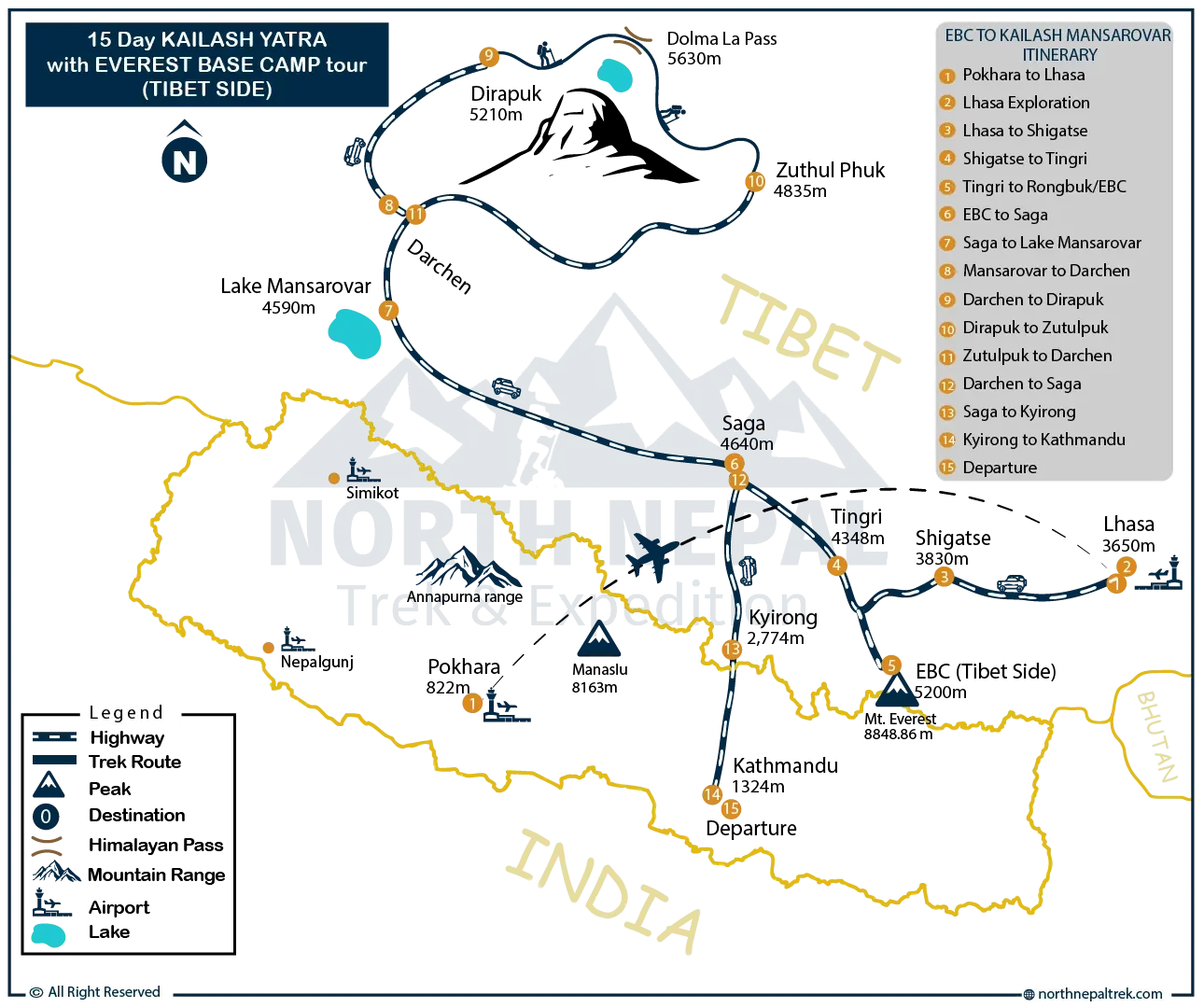
This 15-day Kailash Mansarovar with Everest Base Camp itinerary package is designed with beginner-friendly pacing and proper acclimatization. The tour begins with a flight from Pokhara to Lhasa on the Tibetan Plateau. Travelers reach Everest Base Camp (North Face) via Rongbuk Monastery at 5,200 m. Unlike the Everest Base Camp Trek in Nepal, you will just walk a distance of around 4 km to reach the north face of base camp from the Tibet side.
The route continues toward Saga and Lake Mansarovar, marking entry into the sacred Kailash region. After a spiritual time at Mansarovar, the journey proceeds to Darchen, the starting point of the 3-day Kailash Parikrama (Kora). The Kora includes crossing Dolma La Pass (5,630m), the highest point of the journey, offering a deeply spiritual and physical achievement.
The return route passes through Saga and Kyirong Valley, ending in Kathmandu. This itinerary balances safety, spirituality, and iconic Himalayan landscapes, making it ideal for first-time high-altitude travelers. Tibet uses the Chinese Yuan (RMB/CNY). USD is not reliably accepted in local shops. Carry RMB for the road and remote guesthouses. 11 days to Kailash is another way to reach the abode of Shiva without going Everest.
| Trip style | Premium overland pilgrimage + short high-altitude trek |
| Ideal for | Beginners & Pilgrimage |
| Duration | 14 Nights 15 days |
| Highest Elevation | Dolma La Pass: 5,630m (Kailash Kora), EBC(Tibet); 5,200 m |
| Start/End Point | Start: Pokhara, End: Kathmandu via Kyirong |
| Best season | May–June & September (best weather, photo-friendly) |
| Currency | Chinese Yuan (RMB/CNY), USD not reliable in remote parts of the tour |
| Itinerary Brief | Pokhara → Lhasa → Shigatse → Tingri → EBC → Saga → Lake Mansarovar → Kailash Kora → Saga → Kyirong → Kathmandu |
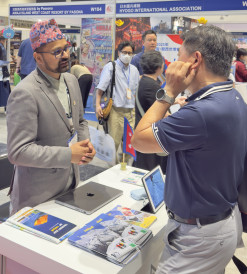
Mohan Raj Bhandari, Founder/Managing director
I founded North Nepal Trek in 2015, and combining Kailash Mansarovar with Everest Base Camp North has become one of my favorite overland itineraries to put together for clients. Our guide Mohan Bhandari has led this exact route more times than he can count, from the gradual acclimatization stops in Lhasa and Shigatse to the final push over Dolma La Pass at 5,630 meters. He knows exactly when to slow the pace and when a client needs an extra rest day before the Kora, and that judgment is what keeps this demanding combined journey both achievable and safe.
Today you explore the cultural heart of Tibet while continuing gradual acclimatization. Visit the magnificent Potala Palace, an architectural and spiritual symbol of Tibetan Buddhism. Continue to Jokhang Temple, the most sacred shrine in Tibet, followed by a walk through Barkhor Street where pilgrims perform kora rituals. The slow-paced sightseeing helps your body adjust naturally to altitude while offering deep cultural insight. You may also visit a monastery such as Sera or Drepung to observe monk debates. Return to the hotel for rest and hydration in the evening.
Depart Lhasa and begin your overland journey across the Tibetan Plateau toward Shigatse. En route, stop at the stunning Yamdrok Lake, famous for its turquoise color and panoramic mountain views. Continue through Gyantse town, visiting the historic Kumbum Stupa, which also serves as a gentle acclimatization climb. The drive offers a beautiful transition from urban Tibet to rural highlands. Arrive in Shigatse, the second-largest city in Tibet, and relax at your hotel. This gradual ascent prepares you well for Everest Base Camp and the Kailash region.
Today’s drive takes you deeper into the high-altitude Tibetan Plateau as you travel from Shigatse to Tingri. The scenery opens up to vast plains, distant snow-capped peaks, and wide valleys that define the trans-Himalayan landscape. This route is important for gradual altitude gain before reaching Everest Base Camp. There is minimal walking today, allowing your body to conserve energy. Tingri is a traditional highland town and an important stop for acclimatization. Spend the evening resting, hydrating, and mentally preparing for higher elevations.
Travel from Tingri to Rongbuk Monastery, the highest monastery in the world, with breathtaking views of Mount Everest’s north face. This day marks your first major exposure above 5,000 meters. From Rongbuk, walk approximately 4 km toward Everest Base Camp, which usually takes around two hours depending on fitness and weather. The walk is gradual but challenging due to the altitude. Enjoy close-up views of Everest from the Tibet side, a highlight of the journey. Return to Rongbuk for an overnight stay and proper rest.
Wake early to witness the sunrise over Mount Everest, one of the most unforgettable moments of the tour if the weather permits. After breakfast, begin the long yet scenic drive toward Saga, a key junction town on the Kailash Mansarovar route. The journey passes glacial rivers, alpine lakes, and endless plateau landscapes. This is primarily a driving day with limited physical activity, allowing recovery after Everest Base Camp. Arrive in Saga by evening and enjoy a comfortable rest to regain energy.
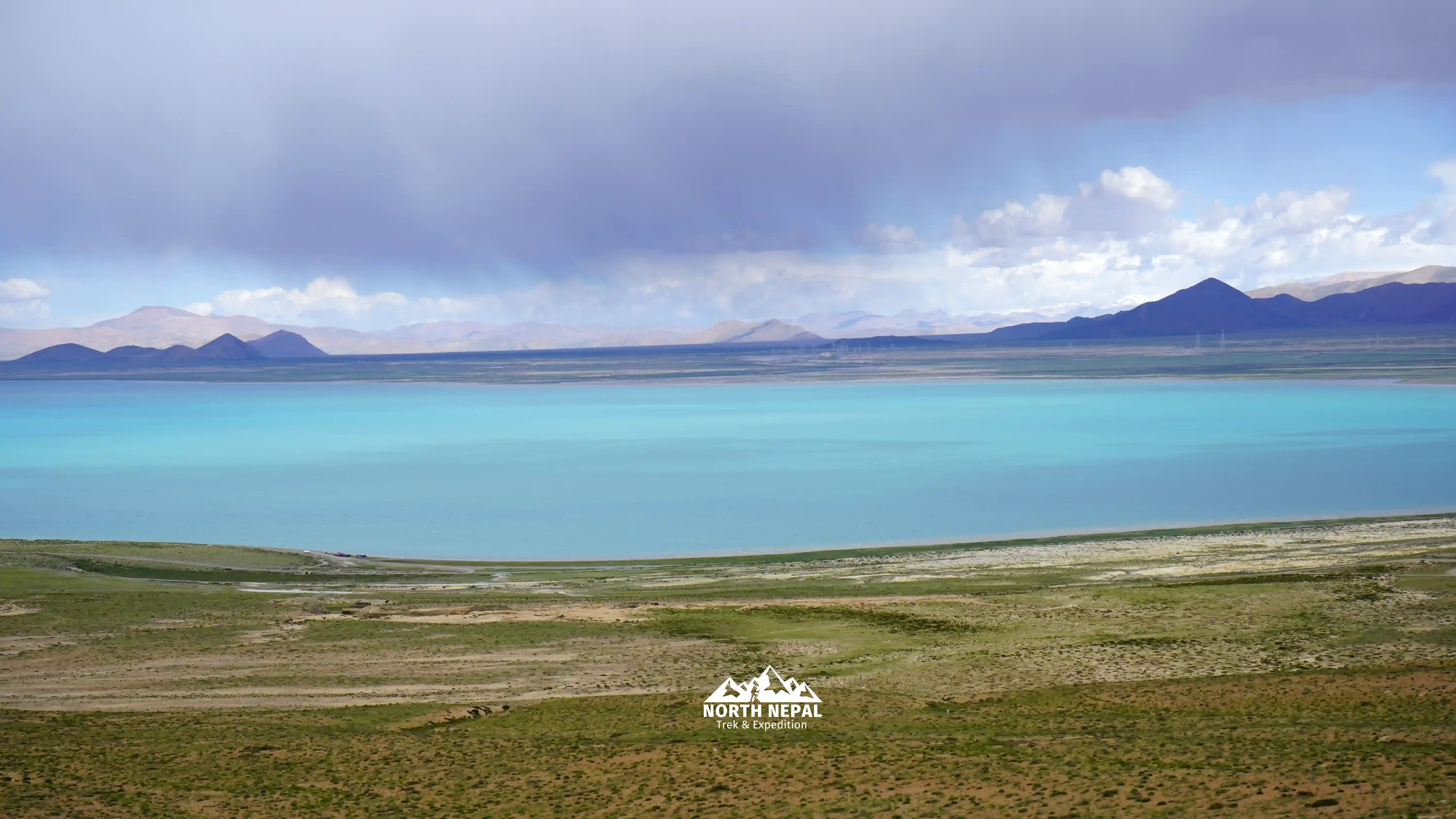
Drive west from Saga toward the sacred Lake Mansarovar, entering the spiritual heart of the Kailash region. The landscape becomes more remote and dramatic, with snow-covered peaks and open plains. Lake Mansarovar is revered by Hindus, Buddhists, Jains, and Bon followers as a place of purification. Upon arrival, spend a quiet time walking along the lakeshore, reflecting, and enjoying the serene environment. The peaceful setting offers both spiritual and physical calm before the Kailash Kora. Overnight near Lake Mansarovar.
Begin the day at Lake Mansarovar with optional spiritual rituals, prayer, meditation, or symbolic bathing, depending on personal belief. The calm morning atmosphere enhances the sacred experience of the site. After spending meaningful time at the lake, drive to Darchen, the small settlement that serves as the starting point of the Kailash Parikrama. In Darchen, attend a detailed Kora briefing, review the trekking route, and conduct a final gear check. Proper preparation today is crucial for a safe and successful Kailash Kora.
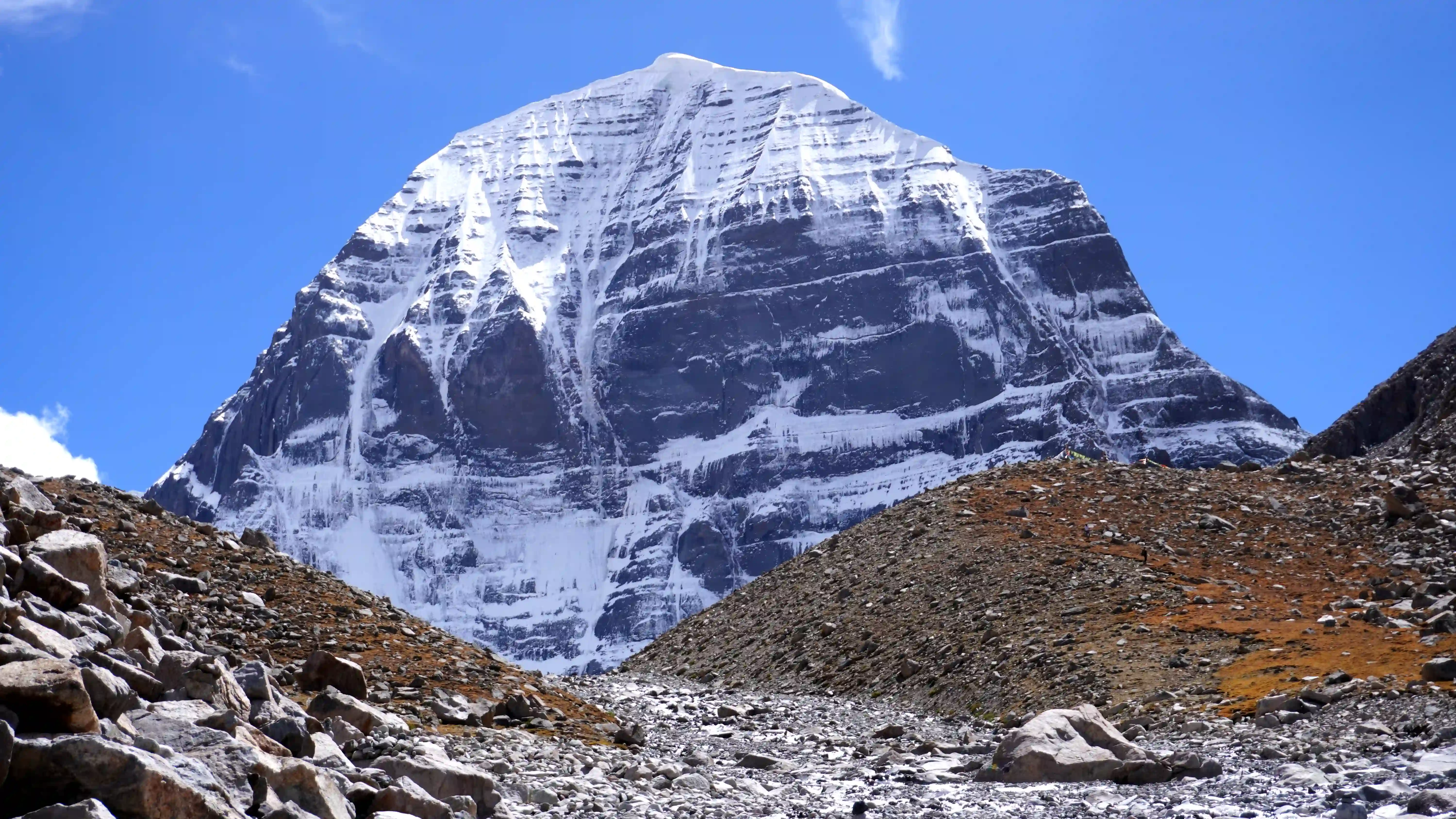
Today marks the beginning of the Kailash Parikrama, one of the world’s most sacred pilgrimages. The trail from Darchen to Dirapuk follows wide valleys alongside streams and prayer-flag-lined paths. As you progress, the majestic north face of Mount Kailash comes into full view, rising dramatically above the landscape. The walk is moderate in difficulty and allows time to adapt further to altitude. Dirapuk offers basic monastery guesthouse accommodation. Rest well tonight in preparation for the most challenging day ahead.
This is the most demanding and spiritually significant day of the Kailash Kora. Begin early and climb steadily toward Dolma La Pass, the highest point of the journey at 5,630 meters. The ascent is slow and physically intense due to altitude, cold, and terrain. Prayer flags and stone offerings mark the pass, symbolizing spiritual release. After crossing Dolma La, descend carefully through rugged trails toward Zutulpuk. Reaching Zutulpuk brings immense relief and a strong sense of achievement.
Complete the final section of the Kailash Parikrama as the trail gradually descends back toward Darchen. Compared to the previous day, today’s walk is easier and more relaxed. Energy levels usually improve as altitude decreases. Completing the around full 52 km circumambulation of Mount Kailash is considered deeply auspicious. Upon arrival in Darchen, enjoy a recovery evening with warm meals and rest. This marks the successful completion of the spiritual core of the Kailash Mansarovar with the Everest Base Camp tour.
Begin the return journey from the Kailash region as you drive back to Saga. The familiar plateau landscapes offer time for reflection after completing the Kora. This is a low-activity day designed for physical recovery. Minimal walking and a relaxed schedule help your body regain strength. Upon arrival in Saga, check into your hotel and enjoy a restful evening. This day bridges the intense spiritual experience of Kailash with the gradual return to lower elevations.
Drive from Saga toward Kyirong, located near the Nepal–Tibet border. The scenery changes noticeably as you descend from the dry Tibetan Plateau into greener valleys and forested hills. The lower altitude brings warmer temperatures and easier breathing, which many travelers find refreshing. Along the route, enjoy views of rivers, villages, and cultivated land. Arrive in Kyirong and relax at lower elevation. This transition day helps your body adjust before entering Nepal.
Cross the Tibet–Nepal border at Kyirong after completing immigration formalities. The drive continues downhill through lush landscapes, river valleys, and terraced hills. The significant altitude drop provides physical relief after days at extreme elevation. As you approach Kathmandu, urban life gradually returns. Upon arrival, transfer to your hotel and rest. This day marks the completion of the overland Kailash Mansarovar with Everest Base Camp journey.
Your spiritual journey of Kailash Mansarovar Yatra with Everest Base Camp tour ends here. We will assist you with all the procedures until your departure.
September is peak season for the combined Kailash Mansarovar & Everest Base Camp route — roads and border crossings are open and running smoothly. Book early to secure guesthouse space along the Kailash Kora.
Start preparing at least 2-3 months before departure:
Consider consulting your doctor about altitude sickness prevention medications, such as Diamox (acetazolamide), which can significantly reduce symptoms. Many travelers use it prophylactically, starting a day before ascent.
Follow these altitude safety principles:
The good news is that most people who follow proper acclimatization complete this journey successfully. The challenge is real, but so is the sense of accomplishment when you stand atop Dolma La Pass, having pushed your body to its limits and discovered you're stronger than you thought.
Comprehensive travel insurance is mandatory for this tour and must cover high-altitude trekking up to 5,630 meters, emergency helicopter evacuation in Nepal, and medical evacuation from Tibet in case of a serious altitude-related emergency. Please share your policy details with us before departure so our team can coordinate directly with your insurer if an emergency arises.
Secure the Kailash Mansarovar with Everest Base Camp Tour for 2026/2027 before the seat gets fully booked.
The combined Kailash Mansarovar and Tibet Everest Base Camp journey is a high-altitude, physically demanding trip rather than a conventional sightseeing tour. The main challenge is altitude, particularly during the Kailash Kora, where the route reaches the high Dolma La Pass. You should be comfortable walking for several hours at altitude and should prepare well before departure.
There is no simple age limit that determines whether someone can join. Overall health, fitness and ability to cope with high altitude matter more than age. Older travellers should consult their doctor before booking, particularly if they have cardiovascular, respiratory or other conditions that may be affected by altitude.
The combined journey reaches approximately 5,630 m at Dolma La Pass during the Kailash Kora. The Tibet-side Everest Base Camp reaches approximately 5,200 m. These elevations make proper preparation and acclimatization essential.
Pack for cold, wind, high altitude and both trekking and road sections. Essential items include warm thermal layers, a down jacket, waterproof outerwear, warm gloves, a hat, comfortable trekking shoes, sunglasses, sunscreen, a reusable water bottle, personal medication, a headlamp and a suitable sleeping bag. Your luggage should remain practical because some sections involve carrying a daypack and walking at high altitude.
Carry Chinese Yuan (CNY) rather than relying on US dollars. Cash availability can be limited in remote parts of Tibet, so exchange enough money in Kathmandu before crossing the border for personal expenses during the journey.
The Tibet itinerary depends on border access, road conditions, weather and government regulations, all of which can change after booking. If access is disrupted, the itinerary may need to be delayed, rerouted or adjusted according to the conditions and the instructions of the relevant authorities. Any additional costs caused by an unavoidable extension or change should be discussed according to the booking terms.
In September, daytime temperatures around Dirapuk can be around 10°C, while temperatures at night can fall to around freezing or below. Conditions can feel significantly colder because of wind and the high elevation, so proper warm layers and a good sleeping bag remain important even during the main pilgrimage season.
Altitude sickness must be taken seriously on this journey. If you develop symptoms such as persistent headache, nausea, dizziness, unusual fatigue or loss of appetite, tell your guide immediately. The correct response may include stopping further ascent, resting, descending to a lower altitude or arranging medical assistance depending on the severity of the symptoms.
The best preparation is to arrive physically prepared and allow your body time to acclimatize. Walk slowly, drink enough water, avoid overexertion and follow the itinerary's acclimatization schedule. Do not try to push through worsening symptoms simply to stay on schedule. If you are considering medication such as acetazolamide, discuss it with your doctor before travelling.
Yes. Comprehensive travel insurance covering high-altitude trekking to at least 6,000 m and emergency helicopter evacuation is mandatory. Your policy should also cover medical treatment and trip interruption. Standard travel insurance may exclude high-altitude activities, so check the wording carefully before purchasing.
Start preparing at least three months before departure. Build your walking endurance gradually with regular 45–60 minute walks, longer weekend hikes and stair or uphill training. Because the Kora reaches above 5,000 m, the goal is not speed but being able to walk steadily for several hours while managing fatigue.
Yes. Travel to Tibet requires the appropriate Chinese visa documentation and Tibet Travel Permit, with the exact process depending on your nationality and current entry regulations. For this trip, permit and visa arrangements should be confirmed with North Nepal Travel & Trek before booking because requirements can change.
The supplied 2026 information states that processing takes approximately 2–4 working days after the required documents have been submitted.
For this itinerary, the supplied operational information states that travellers use the China Group Visa processed in Kathmandu. Therefore, you should not rely on the earlier conflicting instruction that travellers must obtain a Chinese visa from their home country. The exact documentation should be confirmed according to your nationality before departure.
The supplied 2026 information states that the Kyirong border is open for Indian nationals and other tourists. Border operations can still change because of government policy, weather or natural disasters, so access should be reconfirmed close to departure.
Yes, horses can be arranged for suitable sections of the Kailash Kora. However, horses cannot cross Dolma La Pass, so that section must be completed on foot.
Accommodation becomes increasingly basic as you move into the high-altitude sections of Tibet. Hotels in major towns provide more comfortable facilities, while accommodation around the Kailash Kora is basic and may involve shared rooms and simple guesthouses.
Bathroom facilities around the Kailash Kora are very basic. Guesthouses may have squat toilets, limited running water and shared facilities, while there are no conventional toilet facilities along much of the trekking trail. Carry toilet paper, wet wipes and hand sanitizer.
Yes. Bringing personal snacks and familiar foods is sensible, particularly for travellers with specific dietary requirements. Vegetarian food may not be consistently available throughout the journey, so carrying suitable supplemental food can make the trip easier.
Wi-Fi is available in some hotels in places such as Lhasa and Shigatse, although connections can be slow or unreliable. Internet access in Tibet is restricted, and several commonly used international services may not work normally. Mobile connectivity also becomes limited or unavailable during remote sections of the Kailash Kora, so travellers should be prepared to be offline for periods of the journey.