Yala Peak Climbing

Home Trekking

Peak Climbing | North Nepal Expedition

Yala Peak Climbing
DESTINATION Nepal
MAX. ELEVATION 5520 meters
WALKING DISTANCE 6-8 hrs
GRADE Challenging
BEST SEASON March to May and September to November
DURATION 11 Days
MEALS INCLUDED (Breakfast, Lunch, and Dinner) during the trek
ACCOMMODATION Guest House/ Lodge/camping

OVERVIEW & HIGHLIGHTS

Yala Peak Climb Overview

Assorted under the climbing peak in Nepal by the Nepal Mountaineering Association (NMA), the Yala peak is counted as one of the easiest peaks to climb in Nepal. With an altitude of 5520 meters, the peak doesn't demand any prior experience in climbing and trekking.

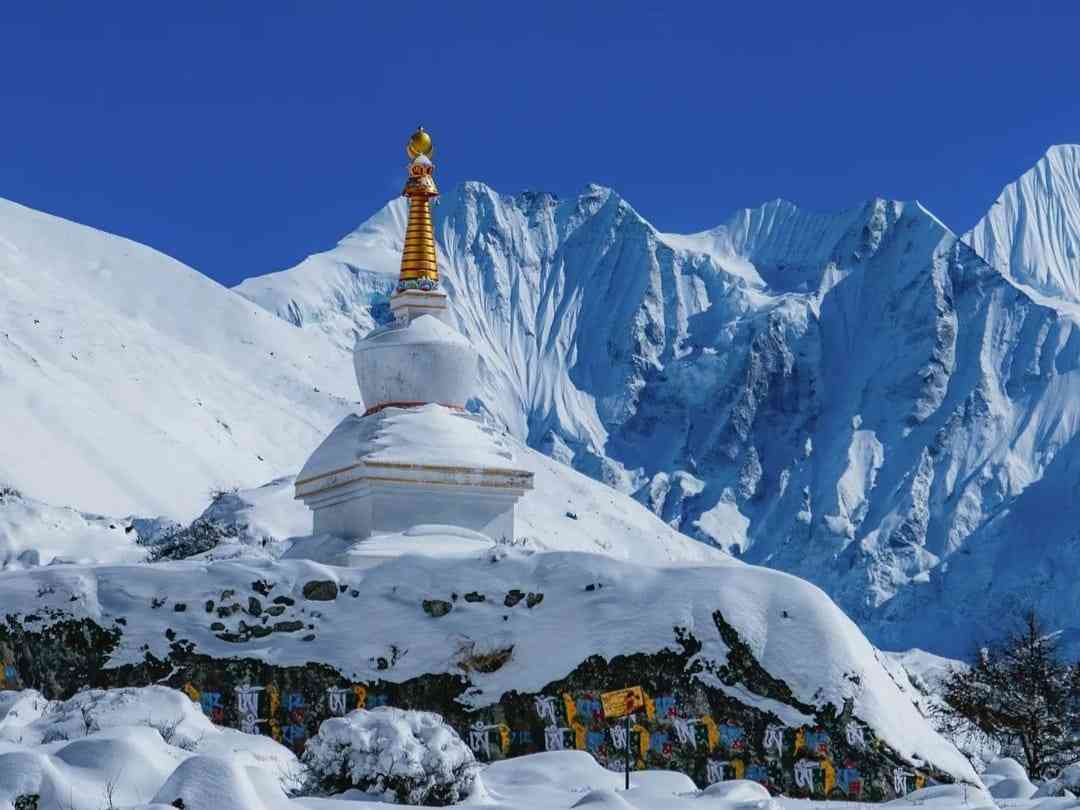
Also, the peak offers an idyllic experience for beginners who are about to initiate their climbing career. Yala peak climbing combined with the Langtang Valley trek will grant us an opportunity to explore various monasteries, Gompas, Chortens, and an amazing feeling of being at the top of the Himalayas.

The trail to the peak will pass through lush vegetation, forests, several monasteries and Gompas, and various Tibetan-influenced settlements. So, we get to witness the traditional culture of the Tibetan-dominated natives. Also, the Langtang region will savour us with a rich biodiversity of flora and fauna, glaciers, and religiously significant lakes. Also, the landscapes and scenery witnessed along the trails and the mesmerizing and enchanting views of the high Himalayas will take our breath away during this journey.

Furthermore, the summit of Yala Peak will embrace us with a soul-stirring and breathtaking grand view of the high Himalayas such as Langtang Lirung, Lenpo Gang, Dorje Lakpa, and the great Sishapangma lying on the Tibetan side. Sishapangma is the lowest-altitude peak among the fourteen eight-thousanders. Yala Peak can be considered one of the most popular low-altitude climbing peaks in the whole Langtang region.

Though the climb is non-technical and doesn't necessitate any prior experience in climbing, the trails leading to the summit demand high physical fitness and stamina. Furthermore, we must have a basic idea and knowledge to use climbing kits like ropes, crampons, and axe. Similarly, the expedition can be considered fairly safe and easy as the probability of Acute Mountain Sickness (AMS) is very low. However, climbing with a guide is highly recommended, and having travel insurance is a must.

HIGHLIGHTS

  • We will pass through various villages, forests, rhododendron-filled hills, lakes, and glaciers.
  • The majority of the villages throughout the Langtang region recite Tibetan culture.
  • The top of Yala peak will welcome us with a majestic and expansive view of the Himalayas such as Langtang Lirung, Lenpo Gang, Dorje Lakpa, and the great Sishapangma.
  • The climb is non-technical and one of the easiest climbs in comparison to other climbing peaks.
  • Yala Peak is an optimal peak for beginners who are about to summit other higher peaks.
  • The climb can be combined with the Langtang Trek.

Balaram Giri
Itinerary review by

Balaram Giri, Assistant Guide

Since founding North Nepal Trek in 2015, Mohan Raj Bhandari has kept a close eye on the Yala Peak Climb, and Balaram Giri shares firsthand insight from personally leading this trek, so you know exactly what to expect before you go.

Yala Peak Climb Itinerary

Toggle all
Day 1

Day 1: Kathmandu to Syabrubesi (1462 m)

HIGHEST ALT. 1462 m

After a full preparation, we will commence our expedition by heading towards Syabrubesi. We can opt to travel on a public bus or a privately reserved jeep or van. The roads are pitched in most places so the drive is pretty easy.

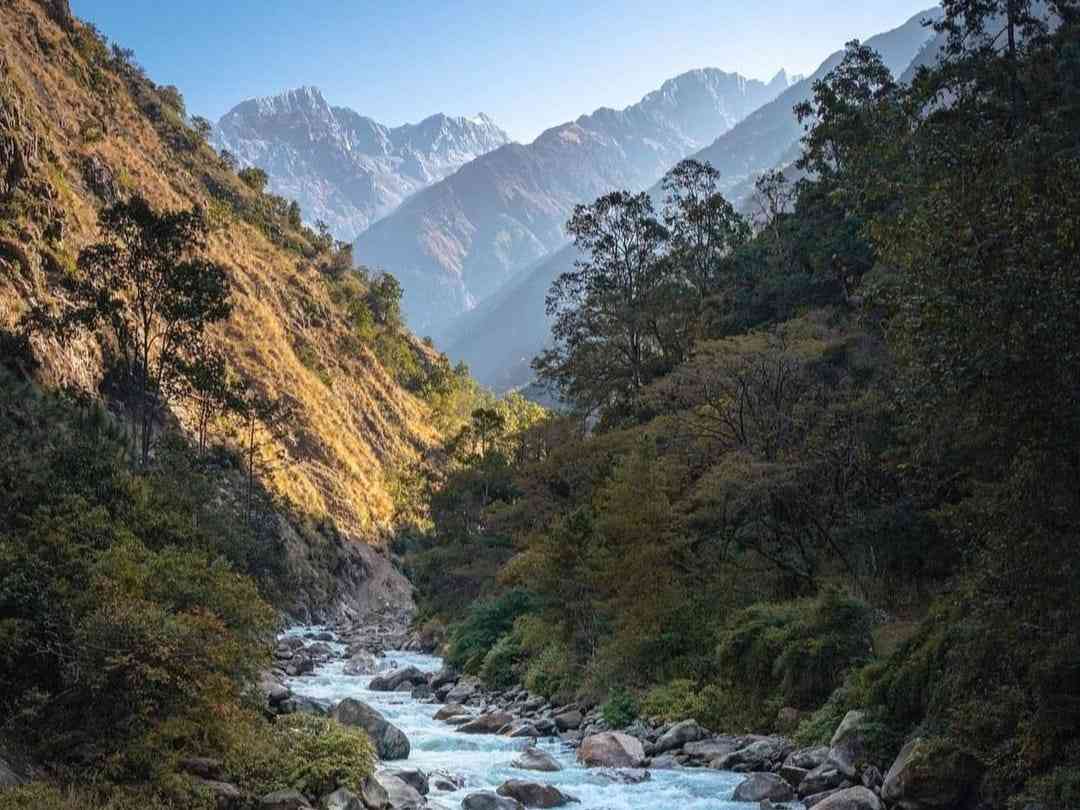
After a long drive of around 9-10 hours alongside the Trishuli river, we will reach Syabrubesi. We will pass through Dunche where we will stop for a lunch and continue our journey observing various settlements, waterfalls, fast-flowing rivers, and hills. Finally, we will halt in Syabrubesi for an overnight stay in a hotel.

Day 2

Syabrubesi to Lama Hotel (2500 m)

HIGHEST ALT. 2500 m
DURATION 5-6 hours

We will trace our journey ahead early in the morning after breakfast. The trek starts from Syabrubesi and we will walk along the banks of the Langtang Khola. We will pass through several small human settlements and forests filled with Rhododendrons along the way.

Moreover, we may see some of the endangered species of the Langtang National Park such as the Red Panda, bears, monkeys, etc along the route but only if we are lucky. After an uphill climb, we will reach Lama Hotel. A healthy reminder, Lama Hotel is a name of a place, not a hotel’s name. We will spend the night in a tea house.

Day 3

Lama Hotel to Langtang Village (3307 m)

HIGHEST ALT. 3307 m
DURATION 5 hours

Same as yesterday, we will kick off our trek after an early morning healthy breakfast. We will climb uphill and pass through rhododendrons along the way. The trails in some places are a little bit risky because of the landslides.

Also, we will meet a lot of mules and horses along the path as they are the only means of transport to carry the goods. After a further ascension, we will reach the freshly built Langtang village. The Langtang Village was devastated by the earthquake in 2015 as the whole village was covered by debris, stones and mud. Many people in the villages lost their lives in the process, so, a memorial place with the name of deceased people is built in the nearby villages.

Still, tea houses and hotels are being built and the tourism industry is slowly gaining pace. Apart from that, we will perceive the beautiful Himalayas of the Langtang range such as Langtang Lirung, Dorje Lakpa etc. We will spend our night in a tea house in Langtang village.

Day 4

Langtang Village to Kyanjin Gompa (3798 m)

HIGHEST ALT. 3798 m
DURATION 4-5 hours

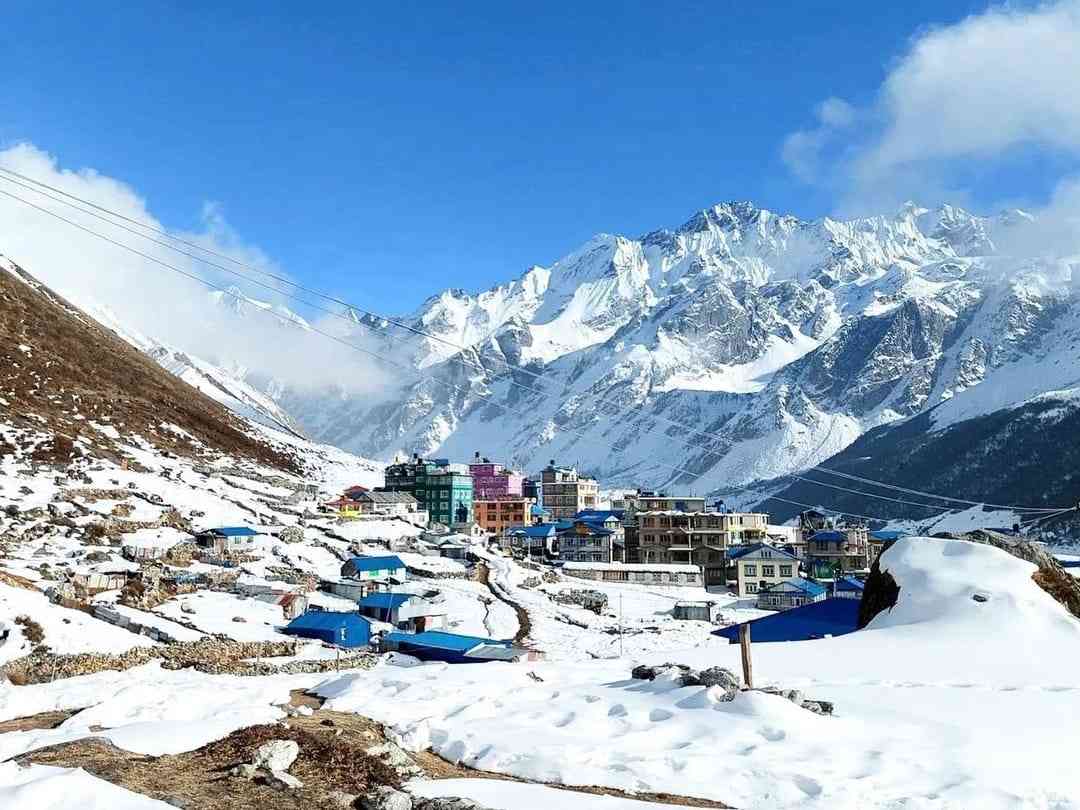
After an early breakfast, we will head towards Kyanjin Gompa, famous for the local cheese factory and an ancient monastery. The trails are easy and after a short uphill hike, we can easily reach the Gompa. The place offers a mouth-watering and breathtaking panorama of the Himalayas of Langtang Range.

Furthermore, the landscapes of hills perceived from the Kyanjin Gompa is very unique and soothing to our minds. Finally, we will spend our night in a tea house.

Day 5

Acclimatization at Kyanjin Gompa

HIGHEST ALT. 3798 m

Our fifth day is allocated for acclimatization and rest. While hiking towards high-altitude areas, our body faces some difficulties to adjust so, it is of very vital importance to adjust our breathing and heart to avoid altitude sickness and other problems. We will explore the area and climb shorter hills as preparation and adjustment before going for Yala Peak. We will spend our night in a tea house.

Day 6

Kyanjin Gompa to Yala Base Camp (4940 m)

HIGHEST ALT. 4940 m

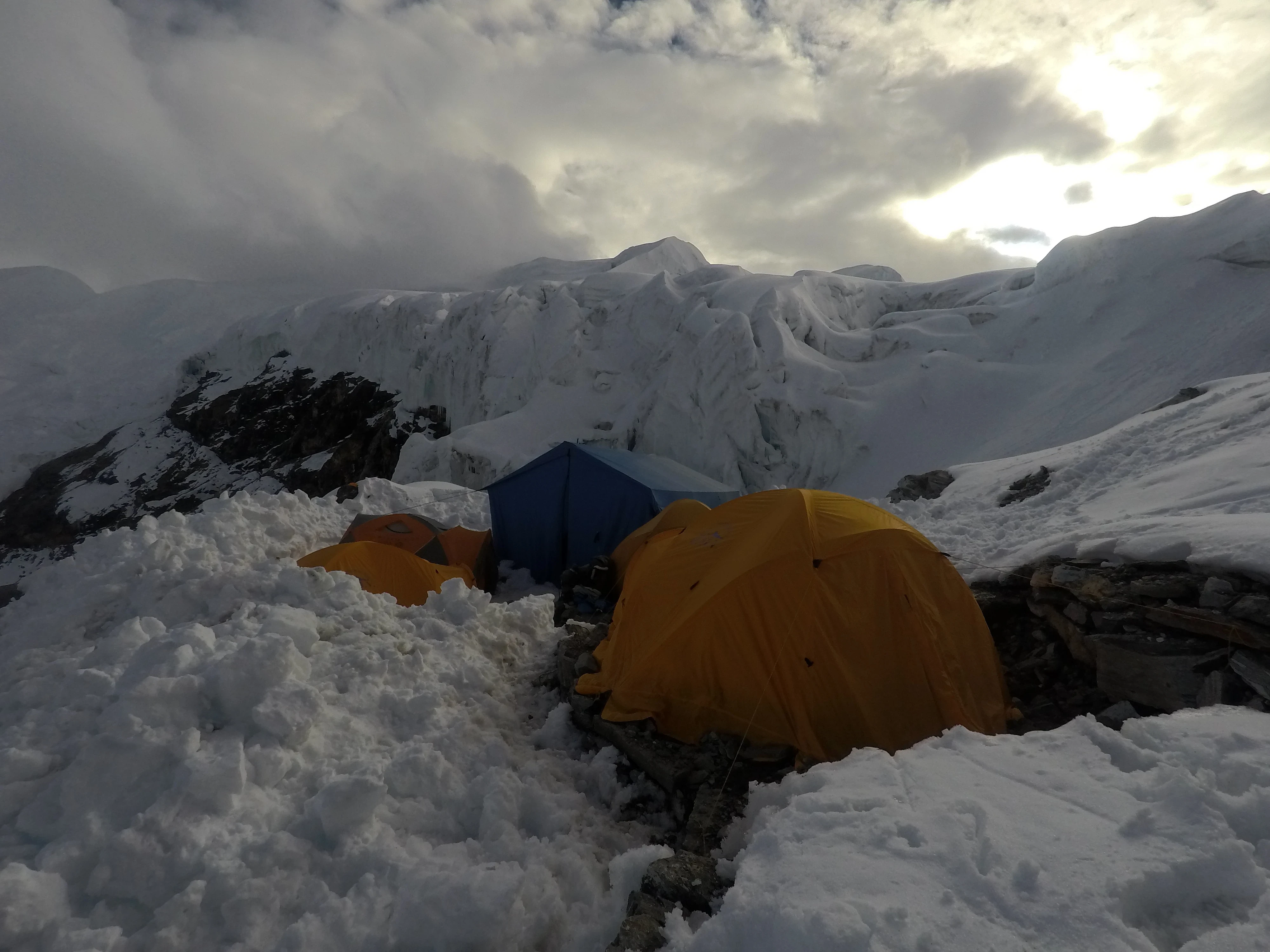
As usual, we will initiate our expedition after an early morning breakfast. We will ascend uphill and pass through pasture lands and rock areas to reach Yala Base Camp. The alluring and appealing beautiful Langtang Range will encompass us along the whole way up to Base Camp.

The trails are a bit rocky so, there is a risk of getting struck by a rock. Apart from that, the trails are okay and easy to walk. Finally, we will set up a camp in the Yala Base Camp for an overnight stay

Day 7

Rest and Practise Day

HIGHEST ALT. 4940 m

Before the ascension of Yala Peak, we will take a rest in the Base Camp and practise for the climb. We will train to use the climbing kit like crampons, axe, ropes etc. Also, our climbing guide will brief us about the possible dangers during the climb. After a whole day of practising and getting used to the usage of tools, we will spend the night in a tent.

Day 8

Summit to the top of Yala Peak (5520 m) and Back to Kyanjin Gompa

HIGHEST ALT. 5520 m
DURATION 10-12 hours

We will start our climb very early in the morning at around 3 AM. The trails are fairly easy and can be easily climbed however, the presence of rocky paths may pose a danger to us. We may need rope and crampons at the end of our ascension.

Other than that, we have to pay attention to the rocks because the climb is full of rocks up to the very top. After reaching the summit, we will be welcomed by a 360-degree expansive view of the Himalayas of the Langtang Range.

Furthermore, the top will provide us with a peek at the great Sishapangma lying on the Tibetian side. Sishapangma is the lowest-altitude peak among the fourteen eight-thousanders peaks.    But, the weather may hamper our view. After a couple of pictures snapping, we will descend down towards the base camp and further down towards the Kyanjin Gompa, where we will hat for an overnight stay.

Day 9

Kyanjin Gompa to Ghodatabela

DURATION 5-6 hours

Same as any other day, we will walk downhill from Kyanjin Gompa after an early morning breakfast. We will walk through the same trails and forests. The majestic view of the Himalayas will encompass half our way. After walking for 5-6 hours, we will stop at Ghodatabela for our overnight stay in a tea house.

Day 10

Ghodatabela to Syabrubesi

DURATION 4-5 hours

After an early morning breakfast, we will give continuity to our journey. We will head back along the banks of the Trishuli river and finally, halt our steps at Syabrubesi for a night in a hotel.

Day 11

Drive from Syabrubesi to Kathmandu

After an early morning breakfast, we will hop onto the bus and drive back towards Kathmandu.

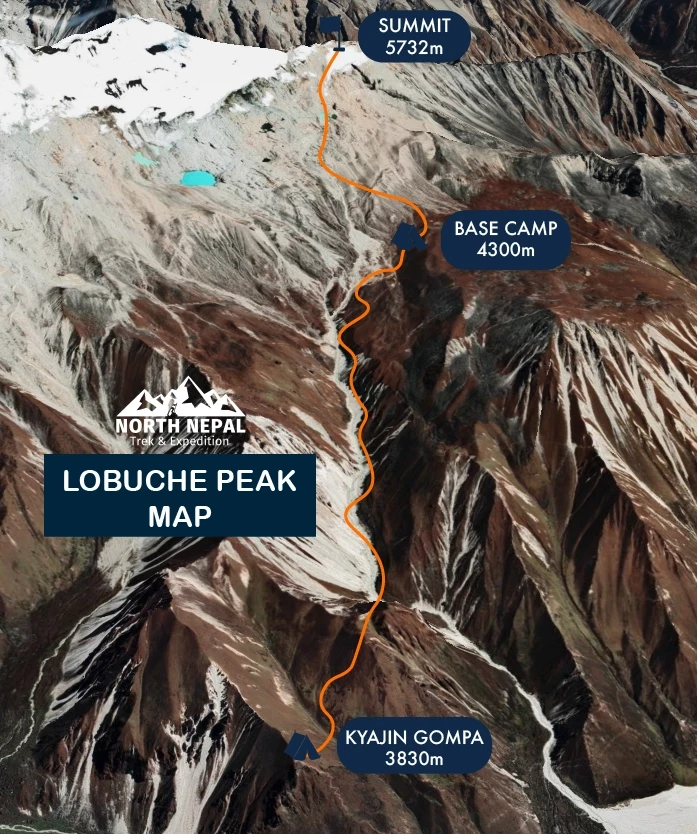
Yala Peak Climbing Route Map

Yala Peak Climbing Route Map

WHAT'S INCLUDED & EXCLUDED

  • An experienced English-speaking Trekking/expedition Guide (Govt. registered), Cook, and Assistant Climbing Guide (4 trekkers: 1 assistant guide).
  • Porters to carry luggage (2 trekkers:1 porter)
  • High-quality North Face or Mountain Hardware or similar sleeping tent, kitchen, dining, toilet tents, mattresses, and kitchen equipment during the climb
  • Tents, mattresses, and kitchen equipment during the climb
  • Full meals (Breakfast, Lunch, and Dinner) followed by a cup of Tea/Coffee during the trek and climb.
  • Safe Drinking water
  • One-hour Trekker's Massage upon completion of the trek
  • All mountain accommodation (Last night private room with independent bathroom/hot showers in Pokhara.)
  • A comprehensive medical kit
  • Company T-Shirt and Brochure
  • Trekking equipment, such as a down-filled sleeping bag and duffel bag
  • Farewell dinner in an authentic Nepali Restaurant
  • Offred price includes our official service charges, government charges, and all taxes and vat. Except for the above amount, there are not any hidden costs charged by us.
  • Expenses arising out of various/unforeseen situations like natural disasters, political disturbance, strikes, changes in government regulations

  • Personal Climbing Gear ( like Climbing Boot, Crampons, Ice Axe, Jummer, Harness set, Carabineer, Figure 8, Tap Sling )

  • Personal climbing guide, if requested

  • Deserts (cakes, bakes, and pies)

  • Any packed food and snacks

  • Additional Hot Drinks/Bottled drinks

  • Boiled/mineral water

  • Electronic device re-charge/Hot shower/Wi-Fi

  • Personal nature & Laundry expenses

  • Travel insurance and evacuation insurance (strongly recommended)

  • Tips and Gratitude to the trekking crew

  • Anything that is not mentioned in the 'Cost Included' section

Complete Guide to the Yala Peak Climb

Toggle all

How Hard is Yala Peak Climbing?

Climbing Yala Peak is a fairly easy climb. Anyone with good physical fitness, stamina, and a general idea of using climbing tools like crampons, axes, and ropes can easily summit this peak. The trails are non-technical and don't require prior peak climbing experience.

The risk of altitude sickness is ever-present in the high Himalayas, though the chances are slim here. Climbing with experienced guides makes it even safer, and travel insurance is mandatory. Prior experience trekking at higher altitudes will help boost your confidence, and regular exercise before the climb will improve your chances of summiting.

Permits for Yala Peak Climbing

Unlike other peaks in the Everest region, Yala Peak climbing doesn't require a climbing permit. However, we do need to pay for a permit and TIMS card for entry into Langtang National Park. The government of Nepal charges US$ 30 per person for the Langtang National Park permit and US$ 10 per person for the TIMS fee.

There's nothing to worry about, though - all permits and related local taxes and fees are handled by us as your trekking and climbing agency.

Food & Accommodation During Yala Peak Climbing

Most nights are spent in tea houses, so food and lodging are rarely an issue. However, we may have to stay in a tent at Yala Base Camp, and for that night we carry the camping gear and dry food we need. Along the way, you'll also get to enjoy the flavorful local cuisine of the Langtang region.

Why Trek With Us - Yala Peak Climb

We are a 100% locally owned and Pokhara-based trekking and expedition company, so every rupee you spend stays within the community that guides you up the mountain.

We are officially licensed and registered with the Trekking Agencies' Association of Nepal (TAAN), giving you full peace of mind that your climb is organized to professional standards.

Our guides know the Langtang region and Yala's approachable, non-technical route well, making this an ideal first summit whether you're a beginner or a seasoned trekker.

We communicate honestly about weather, altitude, and route conditions rather than making promises we can't keep, so you always know exactly what to expect.

We are proud of our top-rated client satisfaction, built one honest, well-organized climb at a time.

Live Trail Update of Yala Peak Climbing Live

Last updated: 1 Week Ago

Updated: Balaram Giri

Trail Status Trails Open & In Good Condition
Weather Clear Mornings, Building Clouds
Permits Langtang NP Permit & TIMS Only
Group Size Small Groups, Limited Slots

Trekker Alerts

Spring (Mar-May) and Autumn (Sep-Nov) are the best seasons to climb Yala Peak - book early to secure your permit and guide.

Reviews From The Trail

Hear it from those who've walked with us.


Safety Policy

Langtang National Park Permit & Licensed Guide

Yala Peak doesn't require an NMA climbing fee, but you still need a Langtang National Park entry permit, a TIMS card, and a licensed guide. We handle all permit paperwork so you can focus on the climb itself.

Beginner-Friendly, But a Guide is Essential

Yala Peak is one of the most approachable, non-technical climbing peaks in Nepal, but climbing solo is highly risky. Our experienced guides and porters know the route well and ensure a safe, well-supported climb for climbers of any experience level.

Low Altitude Sickness Risk, Still Monitored Closely

At 5,520 m, the risk of Acute Mountain Sickness is lower than on many other trekking peaks, but our guides still monitor every climber closely throughout the acclimatization stops at Kyanjin Gompa and will adjust the pace if symptoms appear.

Mandatory Travel Insurance

Even though Yala Peak is one of the easier climbing peaks, travel insurance covering trekking and emergency evacuation up to at least 5,600 m is mandatory. Please arrange your policy before departure and share the details with us so we can act quickly in case of an emergency.


Yala Peak Climb Departure Date for 2026/2027

Secure the Yala Peak Climb for 2026/2027 before the seat gets fully booked.


Terms, Conditions & Feasibility

  1. All bookings are made with North Nepal Travel & Trek Pvt. Ltd Registered Company Number 162883/073/074 (hereafter referred to as The Company) whose office is in Lakeside, Pokhara-6, Nepal.
  2. The term "trip" used in this website and booking conditions refers to all itineraries described on this website including those which might otherwise be known as walking, tours, trekking trips, sightseeing, climbing, mountaineering, expeditions, or holidays.
  3. We accept your last-minute booking as well, but full payment of the total tour cost should be made in advance if necessary or can be paid fully on arrival day. See More 

Frequently Asked Questions

Cultural Insights

1. What cultural experiences can I expect during Yala Peak Climbing?

Yala Peak follows the Langtang Valley route, where Tibetan-influenced culture remains an important part of village life. Along the way, you’ll pass Buddhist monasteries, gompas, chortens, prayer flags and traditional settlements around Langtang and Kyanjin Gompa. 

2. Can I visit Kyanjin Gompa during the Yala Peak expedition?

Yes. Kyanjin Gompa is one of the main stops on the itinerary. The area is known for its Buddhist monastery, local cheese production and expansive views of the Langtang mountains. 

Packing Gear & Rental

1. What climbing equipment do I need for Yala Peak?

You need both trekking and basic mountaineering equipment. Essential climbing gear includes climbing boots, crampons, ice axe, climbing rope equipment, harness, carabiners, figure-8 device and slings. The summit section can require crampons and rope work depending on conditions.

2. Does North Nepal Travel & Trek provide climbing equipment?

The package includes trekking equipment such as a down sleeping bag and duffel bag, as well as tents, mattresses and camping equipment for the climbing section. Personal technical climbing equipment, including climbing boots, crampons, ice axe, jumar, harness and carabiners, is excluded and should be brought or arranged separately. 

Payments & Extra Costs

1. What personal expenses are not included in the Yala Peak package?

Personal expenses include additional hot or bottled drinks, boiled or mineral water, snacks, desserts, Wi-Fi, hot showers, electronic charging, laundry, tips and personal climbing equipment. Travel and evacuation insurance are also excluded.

Booking & Company Policies

1. Can the Yala Peak itinerary be customized?

Yes. The itinerary can be modified according to your interests, available time and climbing requirements. For group departures, changes need to be agreed upon by the members of the group.

2. Can I climb Yala Peak without a guide?

No. Solo climbing is strongly discouraged. The itinerary includes an experienced trekking or expedition guide, assistant climbing support and porters. A professional climbing team is particularly important for the summit section, where you need support with route decisions, climbing equipment and changing mountain conditions.

Weather & Seasons

1. When is the best time for Yala Peak Climbing?

The best seasons are spring (March to May) and autumn (September to November). These periods generally offer clearer weather, less rainfall and more favorable temperatures for trekking and climbing. Winter brings freezing temperatures, while monsoon conditions can make trails wet, slippery and less predictable.

Health & Safety

1. Is altitude sickness a concern on Yala Peak?

Yes. Although the itinerary is designed with acclimatization at Kyanjin Gompa, Yala Peak reaches 5,520 meters, so altitude sickness remains a genuine risk. The itinerary includes an acclimatization day at Kyanjin Gompa and a separate rest and climbing-practice day at Yala Base Camp. Any symptoms such as persistent headache, nausea, dizziness, unusual fatigue or difficulty breathing should be reported to your guide immediately. 

2. Do I need travel insurance for Yala Peak Climbing?

Yes. Comprehensive travel insurance with appropriate high-altitude trekking and emergency evacuation coverage is strongly recommended. The published package specifically excludes travel and evacuation insurance.

General Information

1. How high is Yala Peak?

Yala Peak reaches 5,520 meters (18,110 feet). The expedition is an 11-day itinerary combining the Langtang Valley trek with the peak climb.

2. Is Yala Peak suitable for beginners?

Yala Peak is considered one of Nepal's more accessible climbing peaks and the published itinerary describes it as suitable for beginners. However, "beginner-friendly" doesn't mean physically easy. You need good stamina, preparation and a basic understanding of climbing equipment such as crampons, an ice axe and ropes.

1. What permits are required for Yala Peak Climbing?

The published itinerary states that Yala Peak itself does not require a separate climbing permit, but trekkers need the applicable Langtang National Park entry permit and TIMS registration. North Nepal Travel & Trek arranges the required permits, local fees and related documentation.

Transportation

1. How do I reach the Yala Peak trekking route?

The itinerary starts with a road journey from Kathmandu to Syabrubesi, taking approximately 9 to 10 hours. The route then continues on foot through the Langtang Valley to Kyanjin Gompa and Yala Base Camp. After the climb, you return through Syabrubesi and drive back to Kathmandu.

Accommodation & Food

1. What accommodation is available during Yala Peak Climbing?

Most nights are spent in teahouses and lodges along the Langtang Valley. The itinerary uses tents at Yala Base Camp and during the climbing preparation period. Camping equipment, including tents, mattresses, kitchen and dining facilities, is provided for the expedition section. 

2. What food is provided during the expedition?

Breakfast, lunch and dinner are included throughout the trek and climbing period, with tea or coffee. Meals are available in teahouses along the Langtang route, while the climbing team prepares meals during the camping section. Safe drinking water is also included in the package. 

Wifi/Network and Communication

1. Is Wi-Fi and mobile network available during Yala Peak Climbing?

Connectivity is available in some villages and teahouses, but it becomes less reliable as you move toward Yala Base Camp. Wi-Fi and electronic charging are listed as additional personal expenses, so you shouldn't rely on continuous internet access during the climbing section.

Wildlife & Nature

1. What mountains can I see from Yala Peak?

From the summit and upper Langtang Valley, you can see Langtang Lirung, Lenpo Gang, Dorje Lakpa and Shishapangma across the border in Tibet, subject to weather and visibility. The approach also passes through forests, rhododendron-covered hills, glaciers and high-altitude landscapes.

2. Can I see wildlife during the Yala Peak trek?

The Langtang National Park route passes through diverse Himalayan forests and wildlife habitat. Depending on season and luck, trekkers may encounter red pandas, Himalayan black bears and monkeys, although wildlife sightings are never guaranteed.

PRIVATE TRIP

11 Days

Price Start from USD 1500 pp

USD 1299 pp pp

We Offer Group Discount

No. of PersonsPrice per Person
1 Pax US$ $ 1290
2 Paxes US$ $ 1250
3 Paxes US$ $ 1200
4 - 9 pax US$ $ 1150
10 - 18 pax US$ $ 1100
19 - 25 Paxes US$ $ 1000
RECOGNISED · CERTIFIED · TRUSTED

We are associated with