Gosaikunda Lake Trek: A Place of Religious Prominence
Gosaikunda Lake is a pilgrimage site for devotees of Lord Shiva located in the Langtang region. Duri...
OVERVIEW & HIGHLIGHTS
The short Langtang trek in Nepal offers a compact yet incredibly rewarding Himalayan experience and exposure to Tibetan Buddhist culture. Located to the north of Kathmandu, the Langtang National Park is renowned for its stunning alpine scenery, Himalayan wildlife, exotic landscape, panoramic view of the surrounding peaks Tserko Ri (5,033m), vibrant rhododendron forests, and the warm welcome of the Tamang & Sherpa communities.
Download the all-season packing checklist before you lace up your trekking boots for the Langtang trek from Kathmandu.
This 10-day Langtang journey is an ideal alternative to busier routes like the Everest Base Camp trek and the Annapurna Base Camp trek, providing an equally rich blend of natural beauty and cultural immersion. The trail ascends through diverse landscapes, from bamboo and pine forests to high meadows, culminating in the awe-inspiring views at Kyanjin Gompa. Along the way, trekkers can enjoy panoramic vistas of Langtang Lirung and glacial valleys, with side trips to Tserko Ri or Langshisha Kharka for even more spectacular photographic opportunities and spiritual encounters.
Planning your Langtang adventure for 2025 or 2026 involves considering a budget of USD $700 to $1,000, which can vary based on comfort levels, guide services, type of packages, and the season. Budget-conscious travelers can even complete the trek for around $500 by opting for basic trekking arrangements and independent travel.
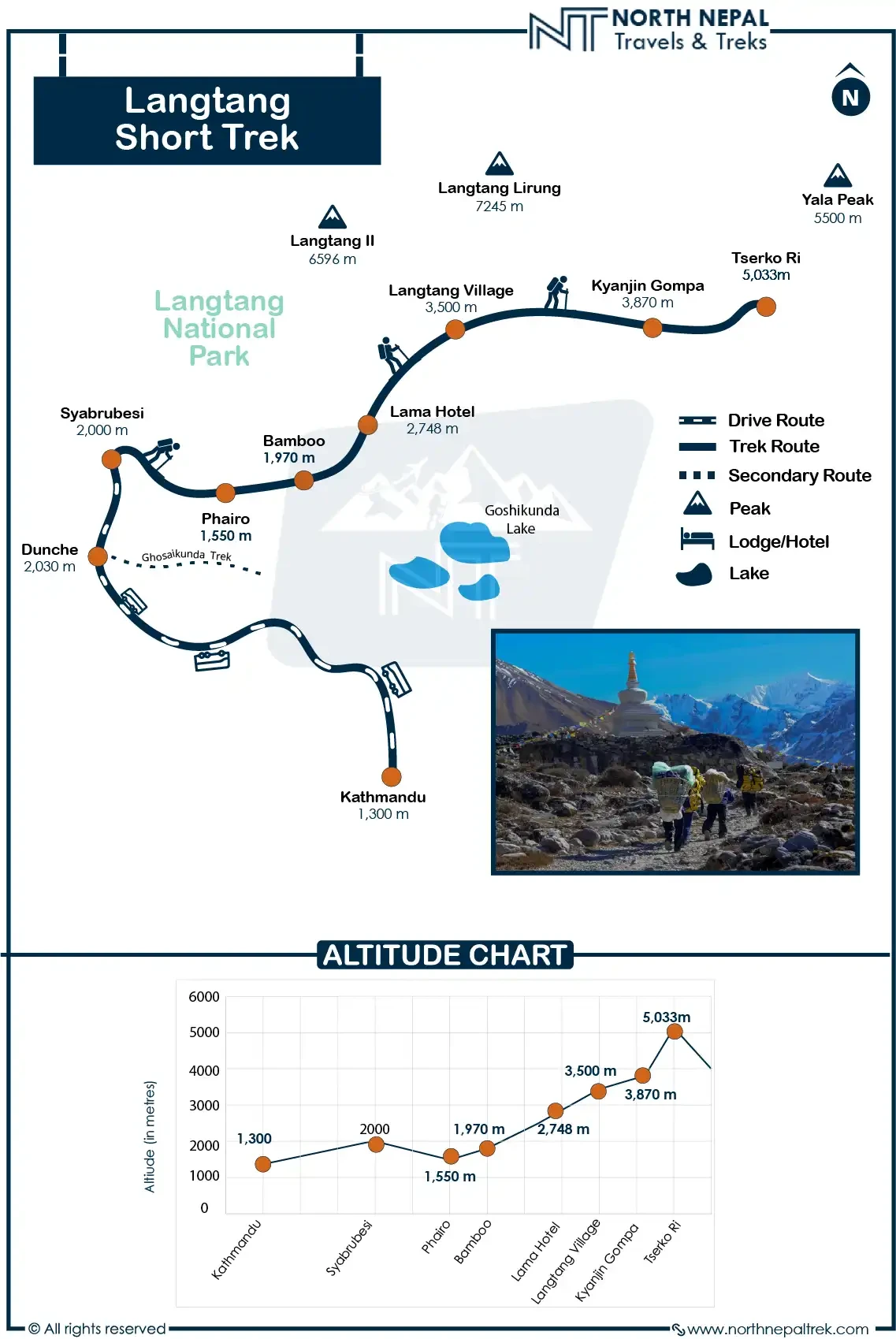
The expedition starts with a scenic overland drive from Kathmandu to Syabrubesi, the entrance to Langtang National Park. From there, the trail unfurls, leading you to an unforgettable experience. Prepare to be captivated by the serene Himalayas, touched by the local stories, and profoundly changed by a trek that will linger in your memory long after you’ve left the mountains behind.
Bibek Bhandari, Trekking Guide
Short Langtang Trek route and pacing are drawn from years guiding the Langtang region. Mohan founded North Nepal Trek in 2015; since then, Bibek Bhandari has led multiple treks through Syabrubesi, Langtang Village, and Kyanjin Gompa.
Today is dedicated to exploring the spiritual and architectural wonders of Kathmandu, a city steeped in history and devotion. Your full-day tour takes you to UNESCO World Heritage Sites, each a testament to Kathmandu’s profound heritage. Begin with a spiritual pilgrimage to Pashupatinath Temple, a sacred Hindu site on the banks of the Bagmati River. Next, at Boudhanath Stupa, where Buddha's eyes gaze across the Kathmandu valley.

Conclude your cultural immersion amidst the ancient royal squares of Patan and Basantapur Durbar Square, where Pagoda-style architecture and Neo-classical buildings inspired by Europe transport you to ancient times in Nepal. Do not mistake it for just a non-living structure. They are the silent proof of ancient events such as royal massacres, conspiracies, a king's coronation, and more. They have survived several regimes and disasters. These historic landmarks are not just structures; they are living reflections of Nepal’s deep spiritual roots and architectural brilliance. Return to Thamel in the evening, perhaps for some last-minute souvenir hunting or simply to unwind and reflect on the day's discoveries.
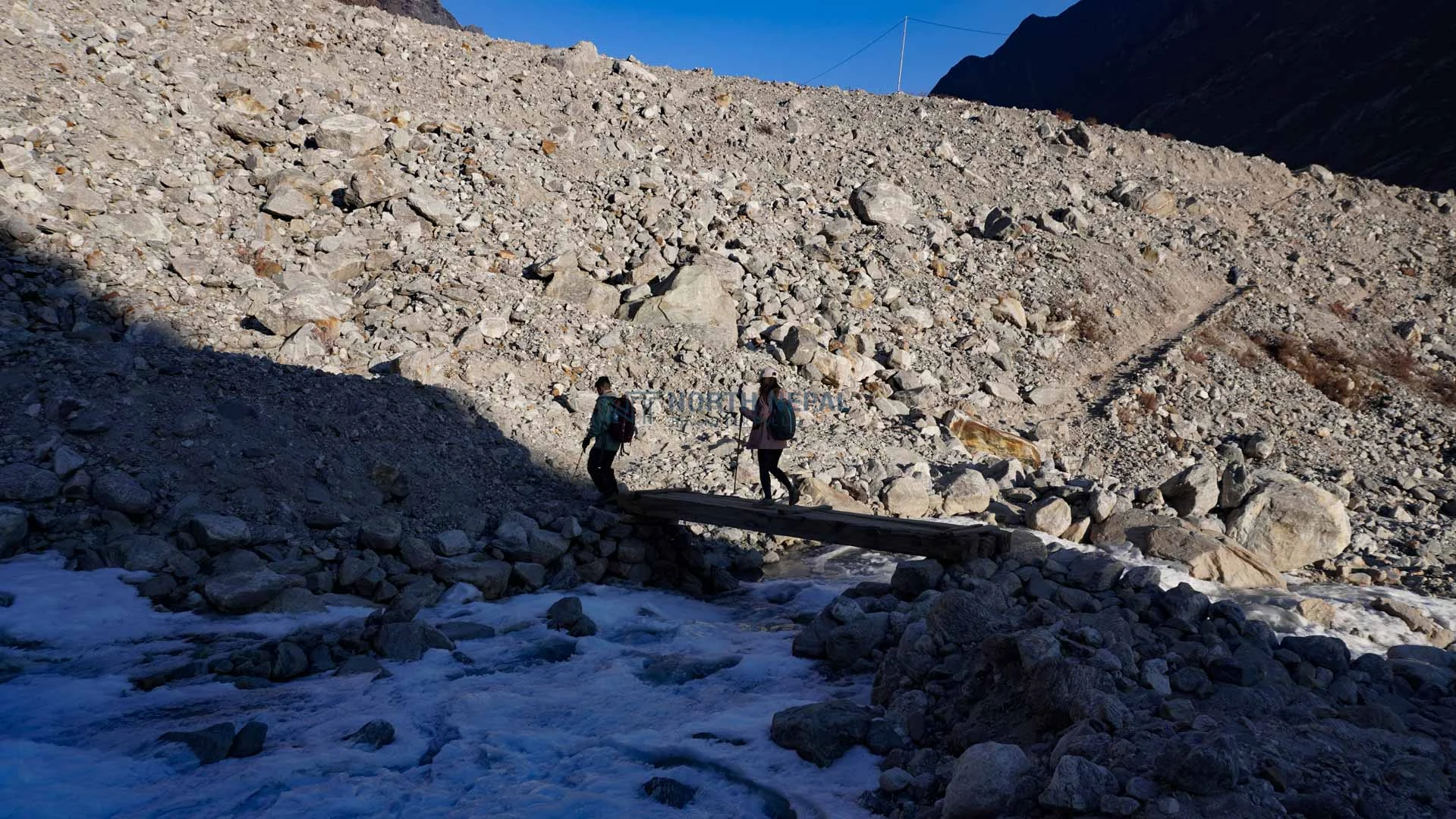
After breakfast, a road journey on the scenic Kathmandu to Syabrubesi highway starts. To reach Syabrubesi, it takes around 5 to 6 hours. This is the shortest route from Kathmandu. The other two longest routes start from Kakani and Galchi of Dhading. Winding through picturesque terraced farming, green hills, and the countryside of Nepal, Syabrubesi will come in no time. You now officially start the trek. Your initial Langtang trek leads you towards Phairo, a 4-5 hour hike covering approximately 6 kilometers. The trail follows the Langtang Khola (river), mostly flat, passing through forest trails and crossing bridges. Overnight stay at Phairo, by the riverside.

On this day, the Langtang trek is a gradual uphill. As you trek for 5-6 hours, covering approximately 11.3 kilometers, you'll be encompassed by the forest of oak, maple, and rhododendron trees. If you happen to trek in Langtang between March and May, the forest radiates a red color all over the Langtang region. As the elevation increases with the trek, the air grows cooler, settlements are sparse, and nature unfolds its beauty. This segment of the trek can be difficult, especially for beginners. You will rest at the teahouse of the Lama Hotel. Yes, the palace is named Lama Hotel.

Continuing your ascent, today's 6- to 7-hour journey spans approximately 14.8 kilometers. En route, you will trek through Ghodatabela and Thangshyap. These palaces are best for a Coffee or Tea break. As the elevation increases, the exotic landscape of Lantang opens up during the trek. You will start seeing the majestic Langtang Lirung peak. The valley widens, exposing you to the arid landscapes of the Langtang region. Today’s accommodation is at the teahouse of Langtang Village.
-min.webp)
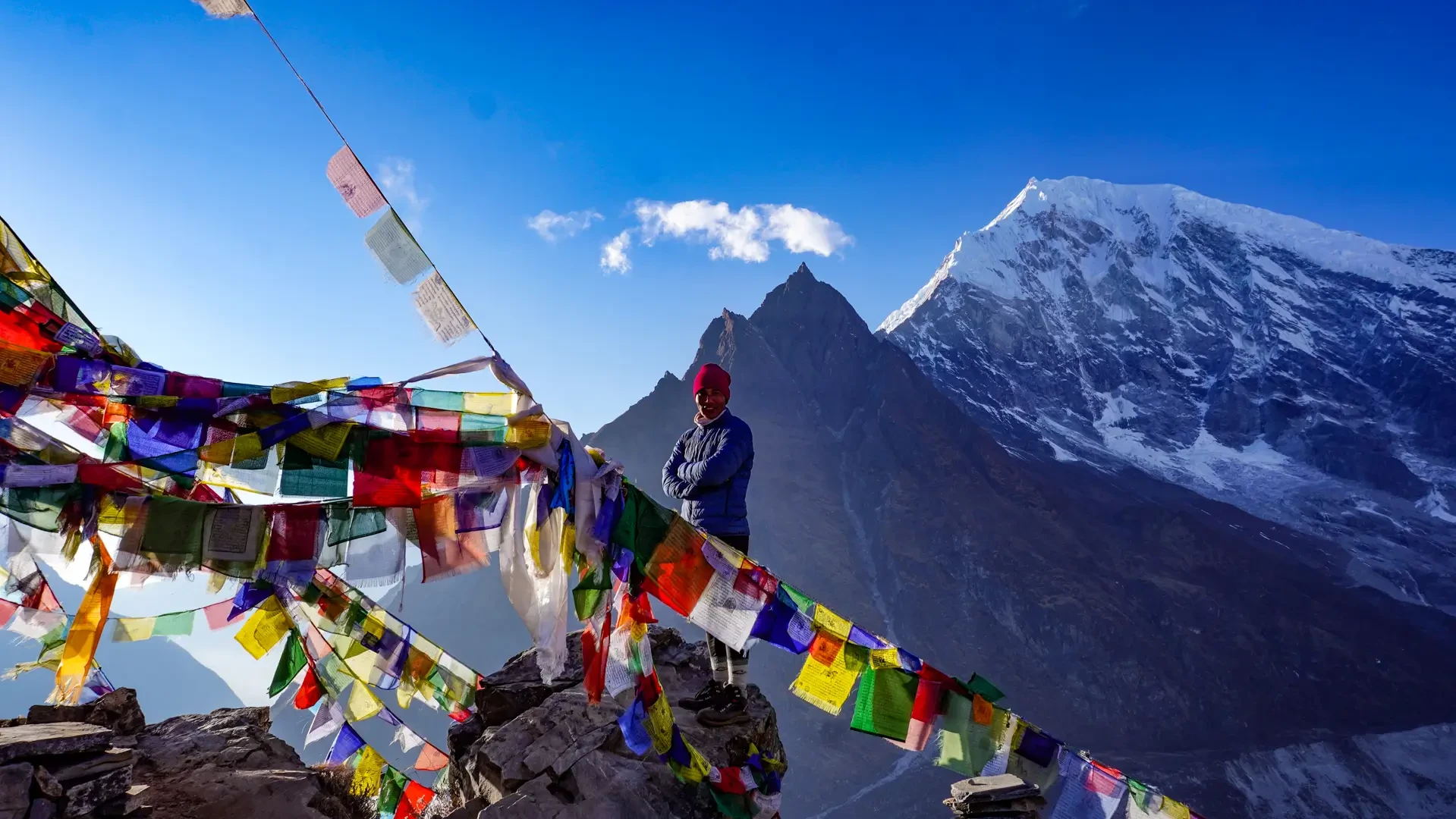
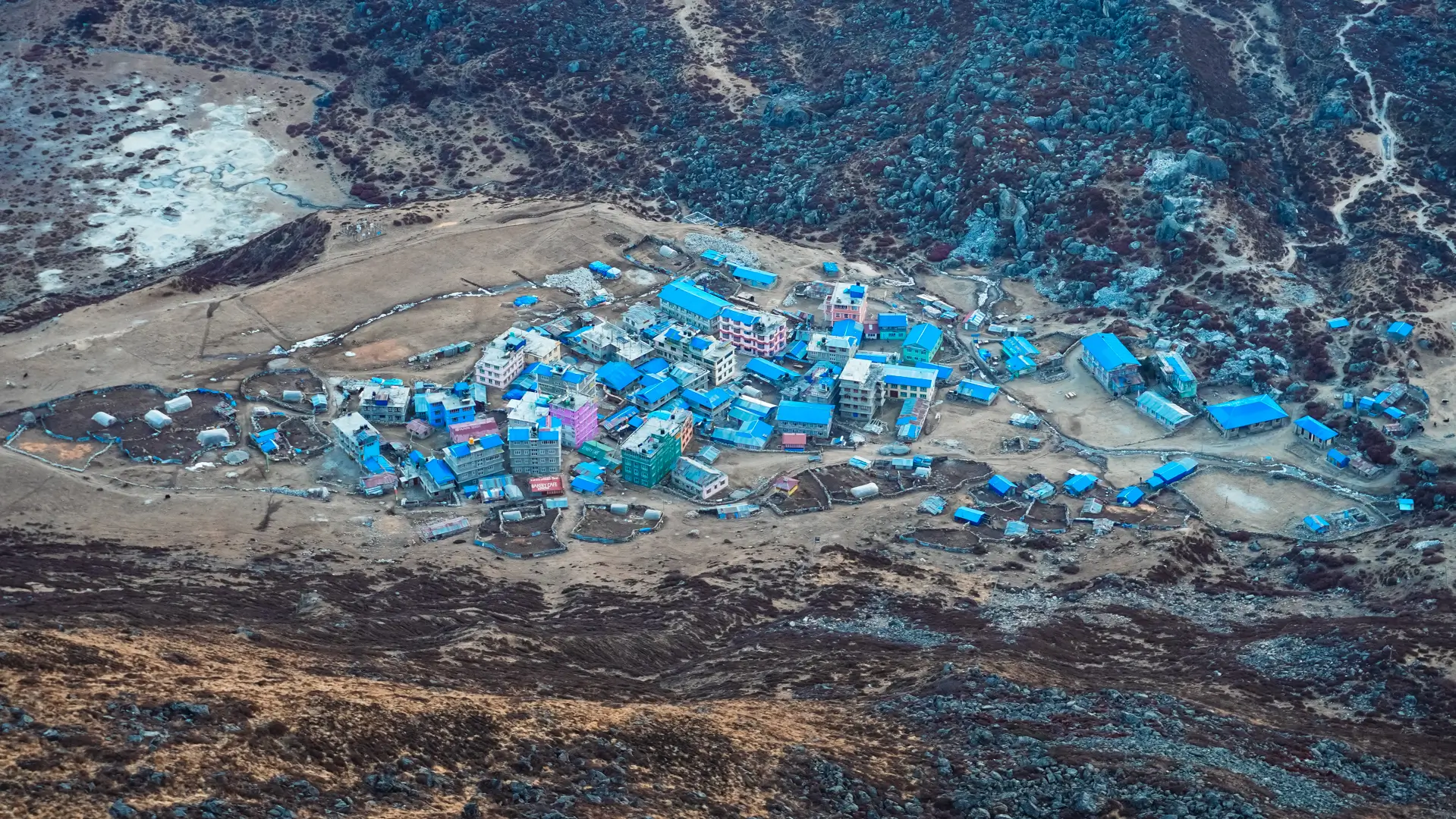
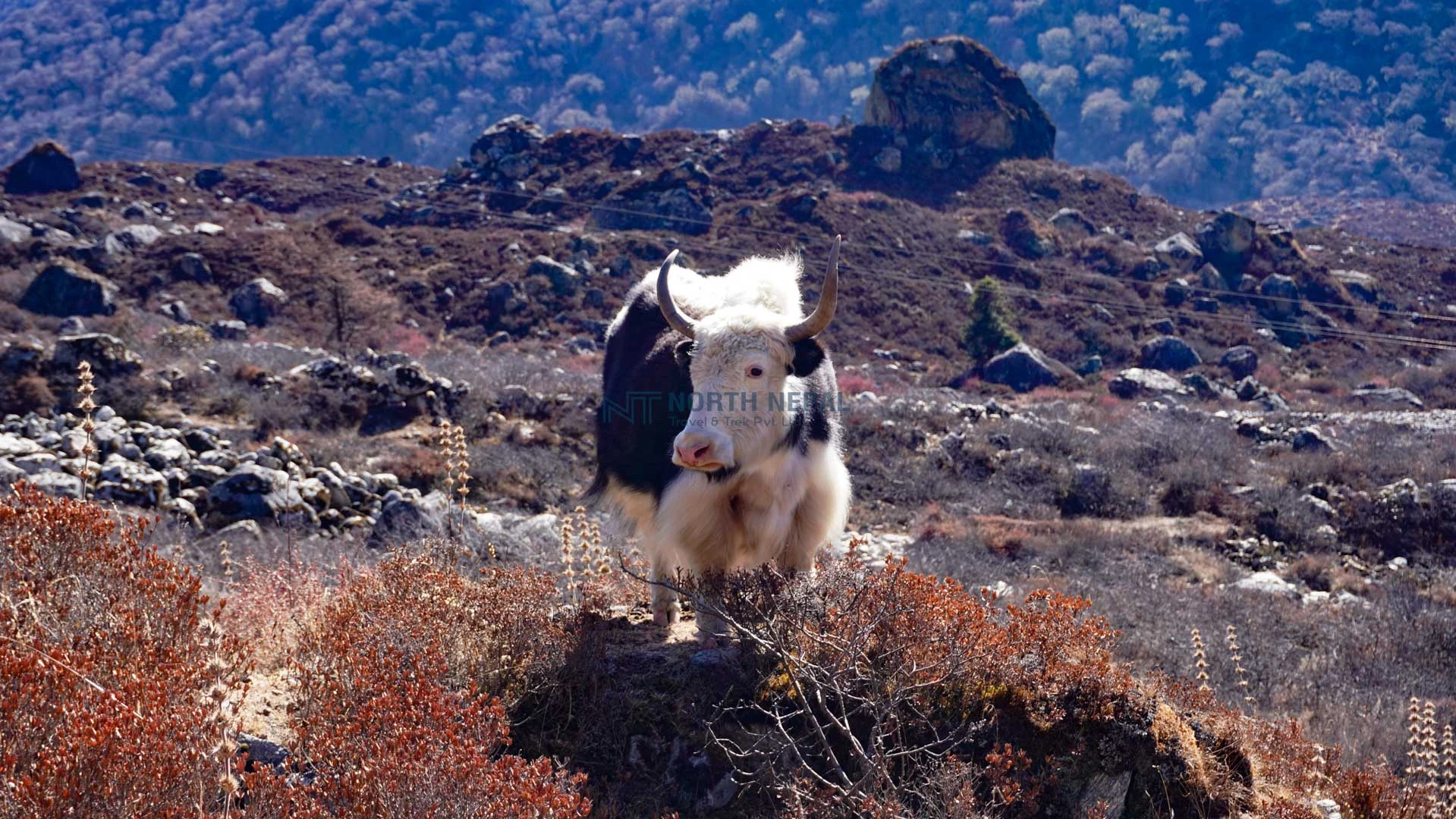
This is the shortest and easiest section of the short Langtang trek. You will cover around 6.8 km of distance hiking for just 2 to 3 hours. The view of a wide glacial valley and panoramic mountain even makes this trek easier. The Langtang Valley is adorned with sacred mani walls, ancient Buddhist shrines, and colorful prayer flags fluttering in the mountain breeze. Yak and Himalayan Goats grazing on the pastures and local cheese factories in the Langtang valley give you a glimpse into the mountain life. Kyanjin Gompa is the center for cultural and historical preservation. Buddhist monastery, Yak Cheese factory, and Hotel give you the vibes of a mini market beneath the Langtang Lirung peak.
.webp)
This part of the trek is the most difficult of the Langtang Valley Trek. Also, the important one because you will trek to Tserko Ri (pronounced as Ceryko Re). Tserko Ri is located at an elevation of 5,033 m (16,512 ft). It offers a panoramic view of Yala Peak, Langtang Peak, and other snowy peaks. After indulging in the view of the exotic landscapes of Langtang Valley, you will return to Kyanjing Gompa for the night. You will trek for 8 to 9 hours, covering a distance of around 4 km.
It’s time to begin your descent, retracing your steps through the stunning Langtang Valley. After breakfast, embark on the trek back to Bamboo, covering approximately 22 kilometers in 7-8 hours. While physically less demanding than the ascent, the long downhill journey requires careful footing and can still be taxing on the knees. This return path offers new perspectives on the landscapes you've already traversed, revealing hidden details and different angles of the majestic mountains. You'll pass familiar villages, cross more suspension bridges, and stop at welcoming teahouses for rejuvenating breaks before settling in for the night at Bamboo.

The trek begins with a 3 to 4 hour walk, approximately 8 kilometers, from Bamboo to Syabrubesi. The path largely follows the Langtang Khola downstream, a mostly downhill journey with occasional flat segments winding through forests and local villages. This can be quite hard on your legs. Upon reaching Syabrubesi, you'll board a private jeep or local bus for Kathmandu. Resting in the cozy hotels of Kathmandu.

After a final Nepali breakfast, North Nepal Trek will transfer you to Tribhuvan International Airport for your flight home. Carry with you unforgettable Langtang trek memories, trail friendships, and the profound personal discovery of the culture, people, and nature of Langtang Valley.
Best trekked in Spring (March-May) for rhododendron blooms or Autumn (September-November) for the clearest mountain views.
Excellent experience, friendly and knowledgeable
Mohan was extremely accommodating and went above and beyond to help us with everything I did in Nepal. He is the go-to guy for everything and I owe many of my best experience in Nepal to him. Highly recommend this travel company. Also, shout out to Bharat who was an excellent guide!
Itineraries are structured with careful elevation profiles and gradual altitude gains to ensure proper physiological preparation before reaching high-altitude points like Kyanjin Ri. Guides conduct rigorous daily health assessments for early symptoms of Acute Mountain Sickness (AMS). If severe symptoms appear, standard protocol mandates immediate descent to lower elevations.
In cases of severe injury, acute altitude illness, or extreme weather conditions on remote mountain trails, emergency helicopter evacuation is coordinated directly through local rescue services. Evacuations are initiated promptly upon assessment by your guide in communication with our Kathmandu and Pokhara offices.
All trekkers must hold comprehensive travel insurance covering emergency medical treatment, high-altitude trekking (up to 5,000 m), and emergency helicopter rescue/evacuation. Insurance details must be submitted prior to the departure of the trek to streamline emergency logistics if required.
Secure the Short Langtang Trek for 2026/2027 before the seat gets fully booked.
Our standard itinerary is 10 days from Kathmandu to Kathmandu, including acclimatization at Kyangjin Gompa. Shorter and longer variations can be arranged on request.
Spring (March-May) and Autumn (September-November) offer the clearest mountain views and most stable trail conditions. Spring also brings rhododendron blooms along the lower trail.
Yes, you need a Langtang National Park entry permit and a TIMS card. No restricted-area permit is required, and we arrange both permits for you in advance.
The trek reaches about 5,033 m at Tserko Ri, so altitude sickness is a real possibility. Our itinerary includes acclimatization time at Kyangjin Gompa, and guides monitor trekkers daily for symptoms.
The Langtang Trek is a teahouse trek throughout, with simple, comfortable lodges offering private or shared rooms and basic hot meals along the entire route.
Pack layered clothing for temperature swings, a warm sleeping bag rated for sub-zero nights, sturdy trekking boots, and standard trekking gear such as trekking poles, a headlamp, and sun protection. We can provide a detailed packing list on booking.
The trek begins with a scenic drive from Kathmandu to Syabrubesi, which takes around 7-8 hours by local bus or a shorter 5-6 hours by private jeep.
Most teahouses offer paid wifi, and mobile network (particularly NTC) reaches many villages along the trail, though coverage can be patchy or unavailable at higher elevations like Kyangjin Gompa.