Until then, I was not a traveler. I mostly stayed at home or strolled around the city but never went too far. I did not care for travel, really, as I was unaware of its perks. Nor did I know which places were worth visiting and where all the travelers were going. Despite being in a country that is a travel destination for the world, I was ignorant and naïve about what my homeland possessed.
 Photo: Aerial perspective seen to the distant horizon from High Camp.
But one day, while in college, my friends began planning a trekking expedition. It was either Annapurna Base Camp or Mardi Base Camp. Indeed, I was not the one to pitch the idea; however, I told them that I would join them. I thought that it was time I traveled somewhere and saw for myself. After all, I was 21 and had never gone trekking or any form of recreational travel.
So, after a lengthy discussion, it was decided that we would be attempting the Mardi Himal Trek, which was located at 4,200 meters above sea level. I had only heard of the trek, and it had been gaining popularity over the years. As I had never done trekking, I was unsure about the number of clothes to bring. Naturally, I overpacked quite a bit. I hope you enjoy my beginner's Mardi Himal trek itinerary from Pokhara.
Day 1: Pokhara to Forest Camp
- Route: Pokhara → Kande → Forest Camp
- Distance: 12–14 km
- Walking Time: 6 – 8 hours
- Max. Elevation: 2,550m
- Sleeping Elevation: 2,520m
Our trekking began on the 3rd of December, right in this beautiful city of Pokhara. After shopping for clothes and snacks in the city, we got on a local bus in Harichowk that would take us to Kande. At one o’clock in the afternoon, we began our trek from Kande.
It was mostly a path of stone stairways. These kinds of trails are ubiquitous around the hilly region of Nepal, and a lot of them are several centuries old. Walking along the lush forest and small villages here and there, I felt that rural life has so much to offer — no sounds of vehicles or humming of people. No smoke from industries that pollute the air. And no sight of unmanaged waste and a bustling crowd. The only sounds that you hear are your footsteps, the chirping of the birds, and the whistling of the wind. The only air that you breathe is fresh and smells of life. The sight that you see is of the green vegetation, the diverse wildlife, and the beautiful people smiling at you as you pass them.
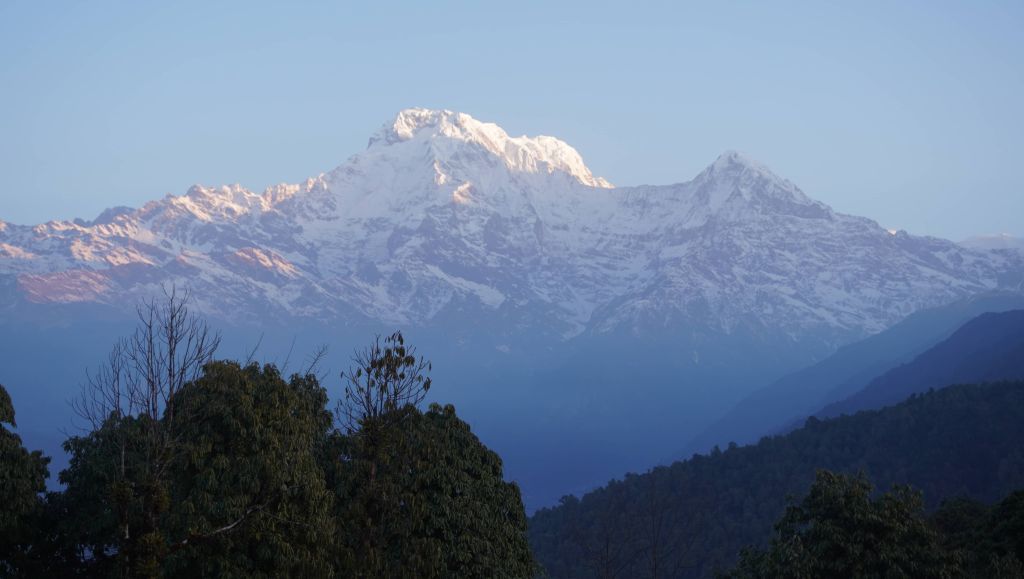 Photo: Annapurna South and Hunchuli Mountain view seen from Australian Camp en route Mardi hike.
After about an hour of walking, we reached the Australian Camp. The place is a popular hiking spot in itself as it sits on a ridge. You can see some magnificent views of the mountains and the valley from the Camp. We just glanced at the place and continued. After a while, we arrived at another village in Pothana. It was already 3 o’clock by then, and we were aiming to reach Forest Camp before nightfall. So, we asked a local woman how many hours it takes to reach Forest Camp. She convinced us that we could reach there if we kept a good pace.
A Race Against Time
So, we set off, determined to reach our destination at any cost, and do so before the day ends. We were now walking through a deep forest with no human settlement at all. It was getting darker, and we did not know how far away the Camp was. As it was winter, it got dark quickly, and we had to use the flashlight from our mobile phones to see the way.
At around 7:30, we saw some lights in the distance. Increasing our pace, we rushed to see if it was the Camp. It was indeed the Forest Camp, and the glow was coming from the teahouses. Feeling tired and cold, we rushed into one of the teahouses and went to the dining room.
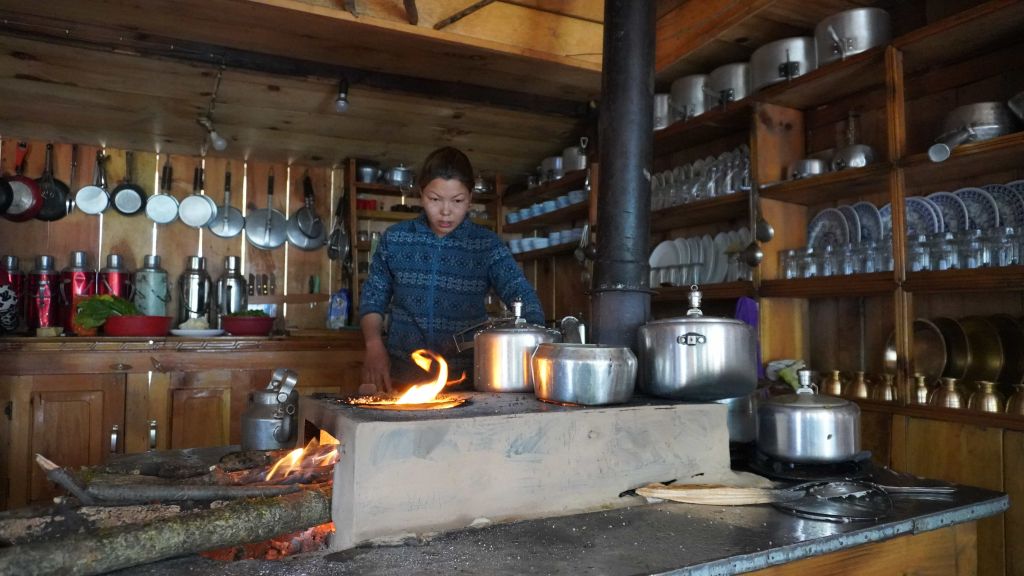 Photo: Kitchen at the Teahouse in the Mardi Himal trek.
There was a fireplace in the room, and we sat beside it warming ourselves. There were also other trekkers in the room sitting by the fire. We started talking to a group of trekkers from Germany who shared their experiences in Nepal. They said that it was their first time and planning to complete the Mardi Himal trek in 3 days. Then we had our dinner, which was a typical Nepali dish of Bhat, Dal, and Tarkari. The food tasted good except for the lentils, which were too thin for my liking. After dinner, we stayed for a while by the fire and then went to bed.
Day 2: Forest Camp to High Camp
- Route: Forest Camp → High Camp
- Distance: 8.5–10 km
- Walking Time: 6–7 hours
- Max. Elevation: 3,580m
- Sleeping Elevation: 3,580m
We did not see the area until the morning. I got out of the room and found out there were only a few houses in the area. Most of these houses were lodges providing food and accommodation to travelers. There was also a beautiful horse on the lawn in front. We clicked some photos with the horse before going to have breakfast. After having pancakes and tea, we began our hiking.
Our guest house at Forest Camp en route to Mardi Himal Trek
We ascended uphill from Forest Camp and through a dense forest. To make the ascent more comfortable, we each made a sort of trekking stick with a fallen tree. Then, we continued our climb. We could not see any view of the mountains or hills; however, the forest itself was quite beautiful. After an ascent of about three hours, we arrived at Low Camp.
Houses were even sparse in Low Camp. There were only a few lodges and tea houses. However, the view of Machhapuchhre from here was quite stunning. We clicked some photos of the mountain and sat down to have tea in the lodge. After having some tea and biscuits and resting for a while, we continued our ascent.
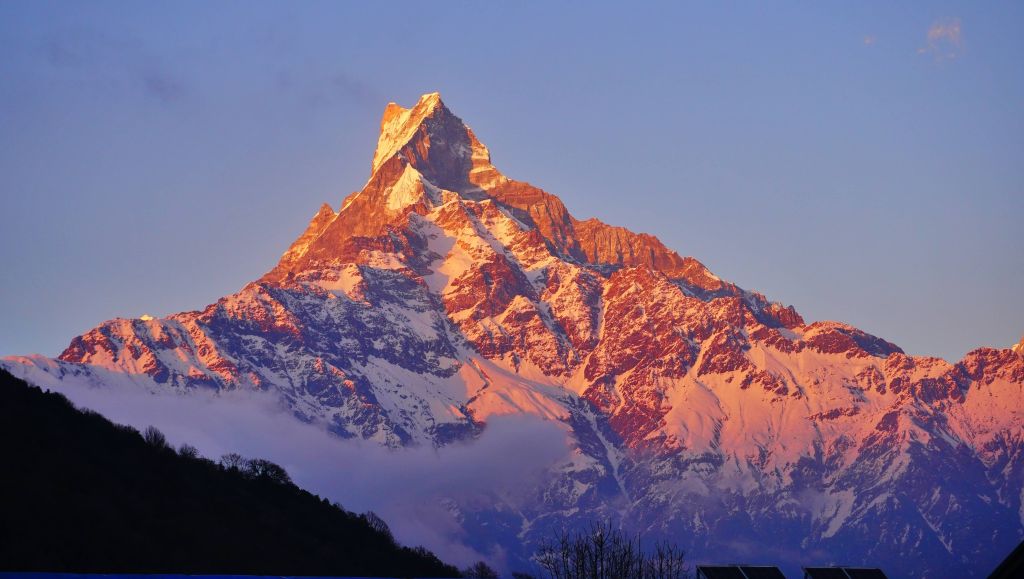 Photo: Alpenglow at the peak of Machhapuchhre (Fishtail) seen from the Low Camp.
It was a similar scenario to the one between Forest Camp and Low Camp. The trail was through a dense forest of pine, oak, and Rhododendron trees. After an hour of ascent, we came out of the woods and into the open at Badal Danda.
Grasping the Beauty of Mardi
It was quite a magnificent sight, as now the mountains and hills were visible. Badal Danda is also called Mid-Camp, and there are a few tea houses there. We could see Machhapuchhre very clearly nearby. After hiking further and reaching the ridge of the hill, I understood why the Mardi Himal is so famous. The snow-clad Annapurna South and Machhapuchhre were so close and so stunning.
We were now walking along a grassland on top of the hill. Moreover, clouds were brewing over the valley below us. It was quite a surreal sight as we were hard-pressed to find the horizon amongst the clouds. There was not much vegetation as this location frequently experienced snowfall. After walking along the ridge for an hour, we finally arrived at High Camp. There were a few lodges, and we went to the one that was the farthest.
There were few trekkers in the lodge, so there was no problem for us to find a room. It was only about 5 p.m., so we went outside and clicked some photos with a stunning view. Machhapuchhre stood right in front of us, and the massive Annapurna South was on our left. To our right, we could see the valley entirely covered by clouds.
As it was getting cold, we went inside and stayed in the dining hall. Then we had dinner. It was quite delicious and even better than the food we had at Forest Camp. After having our meals, we went to bed.
Day 3: High Camp to Pokhara (Last day of Mardi Himal Trek 3 days)
- Route: High Camp → Base Camp → Siding
- Distance: 17–19 km
- Walking Time: 9–10 hours
- Max. Elevation: 4,200m
- Sleeping Elevation: 822m (Pokhara)
We woke up early at 5:00 a.m. and began our hike towards the Mardi Himal Base Camp. It was the hardest climb of our trek as the trail from High Camp to Base Camp goes steeply uphill. Moreover, we were already tired from the hikes we did on the last two days. However, the magnificent view of the colossal mountains kept us going. Passing through the Viewpoints, we finally reached the Base Camp after 3 hours. We were even closer to the mountains there. After spending some time at the base camp, we traced our steps back to the High Camp.
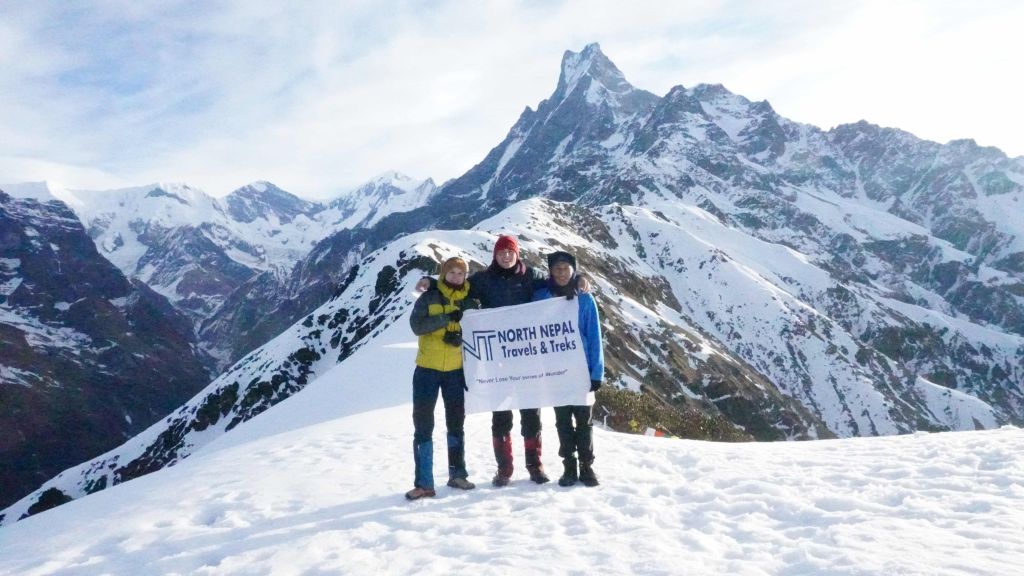 Photo: Panoramic view of Machhapuchre (Fishtail peak), Mardi Peak, Gangapurna to the far from 4,200m. From the base of Mardi Himal viewpoint.
We had planned to return to Pokhara on the same day. So, after having a meal at the High Camp, we began our hike. We continued the same way back to Low Camp, which took about 2 hours. From there, we changed our trail and headed downwards to Sidhing.
It was an extremely steep descent to Sidhing. We climbed downhill through the forest for about three hours to reach there. It was a small settlement with not many houses, and all the facilities were available. We waited for about an hour before the Jeep arrived. Then, we got on the Jeep and rode back to Pokhara on a dusty road, which took about 2.5 hours.
Looking back, that 3-day trek completely changed my perspective on travel, specifically about Mardi. If reading about my first-time experience has you dreaming about tackling the Mardi Himal trail yourself, you probably have a ton of practical questions. Don't worry—I've got you covered! Here is everything you need to know to plan and pack for your own adventure.
Ready to book? See our full Mardi Himal Trek 7-day package with guide, permits & costs included.
What to Do After the Trek in Pokhara?
Rolling back into Pokhara after three days on the trail felt like stepping into another world — warm, green, and lakeside calm. If your legs are anything like mine were, don’t rush off. Here’s how I’d unwind.
Revive your legs with a spa day. My first craving was a massage. Lakeside has well-regarded wellness spots like Seeing Hands Pokhara ( operated by visually impaired therapists) and The Retreat Spa Pokhara (In Street 13, ~500 m. from North Nepal Trek ), offering oil and deep-tissue treatments that work wonders on trek-worn calves. An hour on the table after High Camp is pure bliss.
Eat and drink your way along the lake. After days of Dal Bhat, I treated myself around Lakeside. Long-standing favourites like Cafe Camellia (best Cheese Cake in Pokhara), Godfather’s Pizzeria, and lakeside spots such as Busy Bee Café serve great coffee, fresh bakes, and cold drinks with a Phewa Lake view.

Don’t skip a proper Thakali set. The one local meal I insist on is a Thakali set — rice, lentils, seasonal veg, pickles, and your choice of meat, from the Thak Khola region. Thakali Kitchen and Or2K are reliable picks. Try Phewa Lake fish and Newari momos too while you’re at it.
Chase one more adventure. If the mountains left you wanting more, Pokhara is Nepal’s adventure capital. You can go paragliding off Sarangkot and soar over the lake with the Annapurnas behind you — unforgettable. For a bigger thrill, the Kusma bungee plunges into the Modi River gorge, with a giant swing and long suspension bridge alongside.

Prefer something gentler? A boat ride on Phewa Lake to Tal Barahi Temple, the Sarangkot sunrise, or the World Peace Pagoda are calm, lovely ways to close the trip. And if your legs still want trails, our short Annapurna Base Camp trek or Poon Hill trek from Pokhara make great add-ons.
What Makes Mardi Himal Trek Stand Out?
Eccentric landscapes, the cultural village of Gurung people, and the view of Mt. Fishtail, Annapurna South, and other snow-white rocky peaks make the Mardi Himal trek a popular trekking destination all over the world.
Being a city boy, the initial days of travel were confined to Pokhara only. The travel bug in me grew stronger. So, the unique character of Mardi genuinely surprised me. This trek wasn't just about the stunning scenery or overcoming personal challenges; the whole experience felt deeply significant to me and my friend.
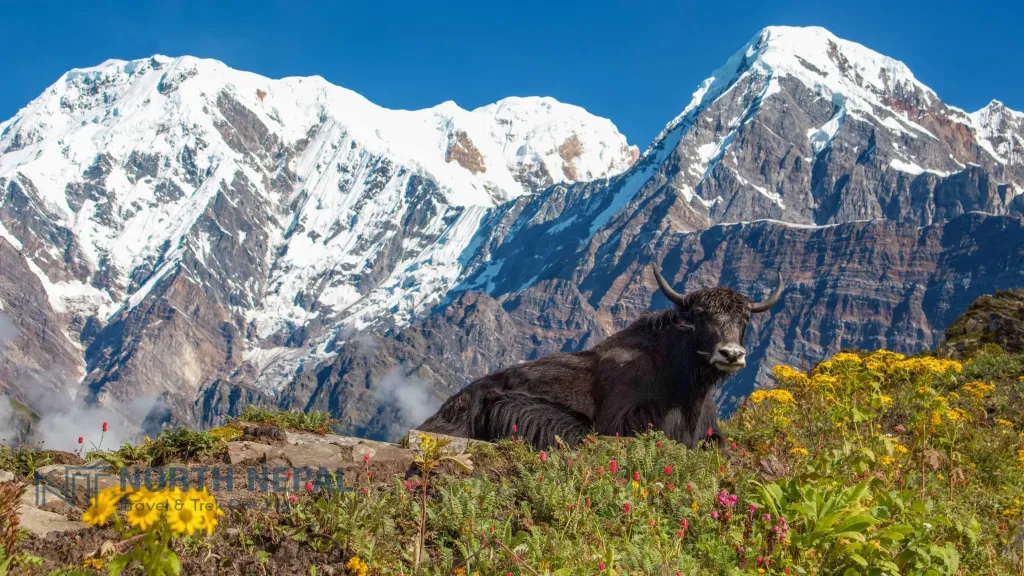 Photo: Yak lying on the green meadow with a snowy peak in the backdrop during monsoon season at Mardi.
The trail of Mardi Himal offers a lifetime experience that is unmatched by any other, like the Annapurna Base Camp Trek. Guides, porters, and staff, mostly locals, possess deep knowledge of every path and share unique stories not found in your guidebooks. Every visit to a family-run mountain teahouse directly aids families who have lived in the Mardi region for generations. From buying a local handicraft to stealing a glance at the local people, you effortlessly become part of the local life.
A palpable reverence for the land is evident, particularly in the strong emphasis on preserving the pristine, wild state of the mountains. This commitment is clear through practices such as no littering, minimal plastic usage, and strict adherence to "leave no trace" principles.
The trails offer a peaceful experience, free from noisy vehicles or overwhelming tour groups. Instead, one quietly navigates through forests and villages, immersing in an unhurried and meaningful way of life. Remember, every penny spent on food, equipment, or an extra pot of tea directly supports empowering these rural communities.
Why Choose the Mardi Himal Trek?
First, the views of the Mardi Himal trek are spellbinding. Within just a few days, you reach the elevation of 4,000 meters, where the grandeur of Annapurna South (7,219m), the iconic Machhapuchhre or Fishtail(6,993 m), and Hiunchuli (6,441 m) embrace you. The scenery, landscapes, and ambience are inexplicable. More surreal and authentic than a National Geographic travel documentary.
 Photo: Vibrant forest of Rhododendron during spring in the Annapurna region.
The iconic Machhapuchhre (6,993 m) is famously called “Fishtail” because of its resemblance to the Tail of a Fish. It is not the only reason it is famous. It has inspired many poets, music composers, artists, and writers to compose music, poems, songs, and paintings. Machhapuchhre is truly the jewel of Pokhara and Nepal.
The organized trekking trails and family-operated teahouses are an impressive side of the Mardi Himal Trek. The routes are clearly marked for easy navigation. The trek is made for both beginners and professional hikers. The teahouses in the Mardi Trek offer a family-like ambience with hygienic food and clean rooms.
I also secretly appreciated that Mardi Himal isn't overrun with crowds. Our group rarely encountered other trekkers, making every teahouse and forest path feel peaceful and untouched, like we'd discovered a hidden local secret. For those with limited time who still want to experience the Annapurna region's best trek, the Mardi Himal Trek is ideal. It offers a full alpine experience in just a few days, eliminating the need for a week-long absence.
Mardi Himal is the perfect choice for those who desire to experience the best of Nepal's mountains, embrace adventure, and tackle a satisfying level of challenge.
How Difficult Is the Mardi Himal Trek?
The Mardi Himal Trek is of a moderate difficulty level. It is achievable but not recommended for a leisurely walk. Despite being graded as a moderate trek in terms of difficulty level, it was slightly daunting for me. Someone who enjoys strolling through the city found obviously difficult.
The trails meander through serene forests and charming villages, ascending gradually without immediate, punishing climbs that strain the knees.
A beginner's level of fitness is enough to enhance your journey. The routes are well-marked. There are beautiful teahouses along the trail for a break. Some rocky sections and ascents that will challenge you, both physically and emotionally. If you, like me, find yourself pondering the optimal number of hoodies to pack, rest assured that guesthouses are conveniently located along the route.
What Physical Condition Is Needed for the Mardi Himal Trek?
The Mardi Himal Trek requires determination and basic fitness, not elite athleticism. If you can walk regularly or hike hills, you're on your way. Enhance cardio with brisk walks, jogging, cycling, or uphill practice a few times weekly. New adventurers should start a consistent walking routine 1-2 months before to build stamina. Consult a doctor if you have health issues or are inactive. Once fit enough to carry your bag upstairs, you’re ready.
Getting Physically Ready for the Trek
Before a Mardi Himal trek in Nepal, I learned that a few weeks of Netflix don't prepare you for the endless stone stairways. Groundwork helps. If you’re like me, here are a few tips that helped:
- Regular Walks: Start with brisk walks, preferably on hilly routes or stairs
- Jogging or Cycling: Jogging or cycling helps build stamina and leg strength, which pays off when you’re hundreds of meters above Pokhara.
- Backpack Practice: Walk with a loaded backpack a few times weekly. Extra snacks and camera gear add weight quickly.
- Stretching & Mobility: Simple stretches and yoga (YouTube tutorials help) keep muscles happy.
What Should I Pack for the Mardi Himal Trek?
Packing for your first trek can feel like assembling a survival kit for an important mission. Initially, I was overprepared, but after listening to my trekker friend and going through a comprehensive packing list, I genuinely found it useful. Also Download all season packing checklist before you plan your Mardi trek with North Nepal Trek, Pokhara’s top trekking agency.
Essentials for the Trail
- Warm Layers: Mardi Himal gets chilly at higher altitudes above 3,000 m. Pack a good down jacket, fleece jacket, and at least one reliable base layer. In the winter season, warmer clothes are better, while Spring & Autumn do not demand more.
- Sleeping Bag: In winter months, a four-season sleeping bag is a game-changer. Rentals are available in Lakeside, Pokhara, and Thamel, Kathmandu, if you don’t want to buy.
- Daypack: Bring a comfortable pack (35-45L is perfect) with a rain cover. You’ll need room for snacks, water, and layers you shed as the sun comes up.
- Trekking Boots: Your normal city boots won’t pass the rugged trail test. Go for waterproof trekking boots with grip and ankle support. Make sure you have walked a few distances with the trekking boots prior to the Mardi Himal Trek. If you’re hiking in the winter season between November and March, equip microspikes for any icy paths.
- Sun Protection: Sunglasses and a cap with a wider brim are a safeguard from the intense sun rays of the Himalayas. Sunscreen with SPF 50+ is mandatory—Nepalese sun is sneaky, even when it’s cold.
For Your Head, Shoulders, Knees, & Toes
- Hats & Gloves: Be sure to pack a beanie, a sun hat, and at least one pair of gloves. Consider bringing thin liner gloves in addition to a thicker pair for chilly mornings.
- Quick-drying Clothing: Having two or three sets of technical shirts and pants will ensure your comfort. For added comfort at tea houses, consider bringing a pair of relaxed-fit pants.
- Rain Gear: Several pairs of wool or synthetic socks are essential; wet feet are a recipe for misery. A waterproof shell and pants could save your day during afternoon sprinkles.
Odds and Ends You’ll Use
- Reusable Water Bottle: Carrying a reusable water bottle is not only a smart move but a sustainable practice. Do not rely on tap water; use water purification tablets (or a SteriPEN if you’re fancy).
- First Aid Basics: Not compulsory, but important. Even though guides carry first aid kits. You can pack essentials like band-aids, blister tape, lip balm, and any of your meds.
- Trekking Poles: It is a must to support your knees on the ascents and descents of the Mardi Trek.
- Headlamp: Necessary while navigating the trail in the dark.
Useful Extras
- Passport & Copies: Always handy, along with some passport-sized photos.
- High-energy Snacks: Protein bars and chocolates give energy at higher altitudes.
- Power Bank: Charging outlets can be scarce or expensive in the higher villages.
- Towel & Toiletries: Go for a quick-dry towel and keep your kit minimalist.
Local Etiquette to follow in the Mardi Himal Trek
In rural Nepali communities like Mardi, modesty is valued. “Namaste 🙏” is the formal greeting and an icebreaker with the local people. If you are invited into the houses of locals, it is advised to remove your shoes or slippers. Also, entering temple sites with shoes is uncultured. Indulging in local cultures and traditions with modesty enhances your Mardi Himal Trek.
Major commuity in the hills of the Annapurna region is the Gurung community. You can say, "Chhyajalo ( छ्याजलो )" holding palms 🙏
Mardi Himal Trek Average Daily Trekking Duration and Distances
Before starting the Mardi Himal Trek, I was keen to understand what a typical duration and distance look like, particularly as none of my friends were experienced trekkers.

Daily Trekking Duration
Trekking duration at Mardi Himal ranges from 5-6 hours. The initial day of trekking is a lighter one, lasting approximately 3 to 4 hours. As you ascend, particularly between Forest Camp and High Camp, the duration of walks increases to about 5-6 hours due to both the distance and the gradual elevation gain. The return journey is generally broken into similar durations, allowing for welcome rest periods during descents.
Daily Distances Covered
Daily distances typically span 7 to 12 kilometers. The journey begins and ends with shorter sections, such as the route from Kande to Australian Base Camp. The middle segments, leading to High Camp and during the ascent to Upper View Point or Base Camp, are longer and strenuous treks.
To put it simply:
- Lighter days: 5-6 hours, 6–8 km
- Longer days: 6–7 hours, 10–12 km
- Altitude climbs: Gradual altitude gain from 2,000 meters to 4,200 meters
With this realization, I no longer dreaded relentless 10-hour slogs. Instead, being ready for a solid half-day of walking, punctuated by picturesque breaks in charming teahouses and forests, significantly boosted my motivation and morale.
What Permit is Required for Mardi Himal Trek?
Before setting off on your trek, you'll need to sort out some essential paperwork—even if you're as new to this as I was on my first adventure. These days, any registered trekking agency will make your permit. For the Mardi Himal Trek, two key permits are required:
- Annapurna Conservation Area Permit (ACAP): This one helps support conservation and local communities in the region.
- TIMS Card (Trekkers’ Information Management System): TIMS card is not in operation. Many blogs and trekking agencies might claim TIMS; ask them.
Bottom line: you need just one permit — the ACAP — plus a licensed guide, and I’d let us handle both before you set off.
The ACAP (Annapurna Conservation Area Permit) fee is NPR 3,000 (about USD 25) for Non-SAARC foreigners and NPR 1,000 for SAARC nationals. Children under 10 trek free — no permit required. You’ll need your passport and two passport photos, and you can apply in Kathmandu or Pokhara.
Honestly, I’d skip the queues — when you book our Mardi Himal Trek package, we arrange the permit and a government-licensed guide for you, which has been mandatory in the Annapurna region since 2023. Keep your permit dry and within reach, as staff at trail checkpoints will ask to see it.
Real Questions: How Much Does the Mardi Himal Trek Cost?
When my friends first floated the trek, my broke-student brain immediately asked: “How much?” So here are the real numbers from our Mardi Himal Trek package, with the full-board rate falling as your group grows:
| Group size |
Cost per person (5 days) |
| 1 trekker |
USD 425 |
| 2 trekkers |
USD 375 |
| 3–5 trekkers |
USD 325 |
| 6–10 trekkers |
USD 300 |
| 11–25 trekkers |
Ask for price |
That full-board price covers a lot: your ACAP permit, a licensed guide, porter support, teahouse accommodation, all three daily meals, and Pokhara–trailhead transport. It’s why a short Mardi trek is one of the best-value adventures in Nepal — you’re not nickel-and-diming your way up the mountain.
What it doesn’t cover is fair to know upfront: travel to Kathmandu, personal gear, travel insurance, tips for your crew, and extras like hot showers, Wi-Fi, or bottled drinks in the teahouses. Prices for those climb with the altitude, since everything is carried up by hand.
Want a different mix? We also offer half-board and guide-only options — just tell us your plan on the Customize My Trip page, and we’ll build it around your budget.
When Is the Best Time to Trek Mardi Himal?
I did my first Mardi trek in winter, and while the snow was magical, the cold teahouses and short days taught me a lesson about timing. Now I steer every first-timer toward the two reliable seasons — and I’ll be honest about the other two as well.

Autumn, in my view, is the very best window. The post-monsoon air is crisp and stable, and the views of Annapurna South, Hiunchuli, and Machhapuchhre (Fishtail) are about as clear as the Himalayas ever get. Spring runs a close second, with warm days and rhododendron forests glowing red and pink on the lower trail.
Winter (December–February) is quiet and beautiful but genuinely cold — pack a proper down jacket and expect snow at High Camp. Monsoon (June–August) is the one season I’d gently avoid: slippery trails, leeches in the forest, and clouds hiding the very peaks you came for.
Still deciding between routes? My Mardi Himal vs Poon Hill comparison breaks down which short trek suits which season and fitness level.
Altitude Sickness on the Mardi Himal Trek: What to Know
This is the part I wish someone had explained before my first trek. At High Camp and above, the thinner air means AMS (Acute Mountain Sickness) can strike regardless of age or fitness. It caught the strongest hiker in our group completely off guard, which surprised all of us.
Watch for the early signs: a nagging headache, poor appetite, broken sleep, or feeling breathless beyond normal tiredness. None of them are dramatic at first, which is exactly why they’re easy to brush off. I’d rather you notice them early and tell your guide than push through quietly.
Prevention is mostly common sense. Walk at a slow, steady pace instead of racing (a mistake we made on Day 1), drink plenty of water, and don’t gain height too fast. If a headache won’t shift, the golden rule is simple — descend. Dropping even a few hundred meters usually fixes it quickly, and our guides are trained to spot the signs.
Accommodation in Kathmandu, Pokhara, and Along the Trek
Before even hitting the trail, I found myself contemplating the type of shelter awaiting me each night.
In Kathmandu and Pokhara, travelers can expect comfortable mid-range hotels. They offer clean rooms, hot showers, and a satisfying breakfast—everything needed to kickstart your daily explorations. They strike a perfect balance.
But on trial, it’s a different story altogether. On the Mardi Himal trek, accommodation means cozy teahouses run by local families. You get warm rooms and a common dining area that turns into a gathering spot for trekkers. A spot for sharing stories. The views often make up for any lack of fancy comforts, and after a long day’s hike, that bed (however basic) feels pretty close to perfect.
Is the Mardi Himal Trek Family-Friendly?
Absolutely! The Mardi Himal Trek is the best family trek with children. The trail is marked and moderately challenging, making it suitable for most individuals, even those without extensive hiking experience (like myself!). Numerous teahouses along the route offer comfortable rest stops, serving hot meals and providing overnight accommodation.
This trek is ideal for families, offering a gentle journey through rolling hills, lush forests, and breathtaking mountain vistas straight from an adventure film. The route is accessible and inviting, providing a unique opportunity to share mountain sunrises, forest strolls, and interactions with welcoming locals.
Starting your adventure in Pokhara offers families more than just a trek—it's an opportunity to explore a city brimming with activities. Imagine a serene morning spent boating on Phewa Lake, or the awe-inspiring experience of marveling at stalactites in Gupteshwor Cave. The bustling lakeside markets provide a chance to grab last-minute gear and savor authentic Nepalese snacks. For those seeking a rush of adrenaline, Pokhara is a hub for thrilling activities such as paragliding, zip-lining, and even bungee jumping.
Mardi Himal offers an adventurous yet welcoming experience suitable for all trekkers, including first-timers like myself.
Who Carries the Gear on the Trek?
Thankfully, on treks like Mardi Himal, porters are there to shoulder most of the heavy lifting. This meant I could leave my main bag with them each morning, carrying only a light daypack. This smaller pack held the necessities: my camera (to capture the stunning views), a water bottle, sunscreen, and—if you're like me—an excessive amount of snacks.
This setup lets you enjoy the walk, rather than just surviving it under a pile of clothes and gear. It was a relief, especially for a newbie like me who overpacked by about half a suitcase.
How Luggage and Porters Work on the Trek
A porter can carry loads from 20-25 kgs only. A porter is typically shared between two trekkers. The key was to pack light: each of us used a duffel bag, aiming for around 10 kilograms (22 pounds) so the porter could carry it for us throughout the journey. This quickly curbed my usual overpacking habits! Ultimately, I learned a valuable lesson: a lighter backpack makes for a happier trek, both for you and your porter.
Is a Guide Necessary for Experienced Trekkers?
When preparing for a trek, the question of hiring a guide often comes up. For experienced trekkers, it's possible to navigate popular, well-marked trails like Mardi Himal independently.
However, a local guide offers invaluable benefits beyond navigation. They possess insider knowledge about the best lodges, potential trail hazards like muddy shortcuts, and how to adapt plans to sudden weather changes. In an emergency, such as a twisted ankle, a guide's calm assistance and swift arrangements for help are indispensable.
Ultimately, while solo trekking is an option, a guide can transform a good trek into an exceptional one. They smooth out unpredictable mountain challenges and reveal local stories and hidden gems you might otherwise miss. Both guided and unguided treks have their unique appeal; just remember to bring flexibility along with your gear.
Mardi Himal Trek Travel Insurance and Emergency Evacuation: Do You Need It?
Proper travel insurance, including emergency helicopter evacuation, is crucial for treks like Mardi Himal. Reputable insurers like World Nomads and Allianz offer suitable policies for Nepal. This coverage provides peace of mind for unexpected mountain mishaps, essential for both trekkers and their families.
Managing Essentials: Passport, Medications, and Valuables
Before your first trek, ensure essential items are safe and accessible, not buried or left behind.
Here’s what I recommend:
- Keep copies of your passport and any vital documents (like insurance info) in your daypack. If possible, stash both physical and digital copies (scanned and emailed to yourself) for peace of mind.
- Daily medications belong in your daypack, too. You don’t want to be halfway up a ridge, realizing your prescription is locked away in the luggage back in town.
- Store valuables and non-essentials (extra gadgets, city clothes, etc.) somewhere secure in Pokhara—usually your hotel will have a safe or locked storage room. Only carry what you’ll need on the trail.
How Long Does It Take to Drive from Kathmandu to Pokhara?
For those wondering about the drive from Kathmandu to Pokhara, expect the journey to typically take around 6 to 7 hours on a road trip, factoring in traffic and weather conditions. However, due to ongoing road construction and potential traffic jams, it's wise to anticipate the trip extending to 8 or even 9 hours. The airways are the shortest way to travel, and from Kathmandu to Pokhara is 25 minutes.
- Road trip: 6 to 7 hours on a normal day
- Flight Duration: 25 minutes
What Vaccinations Should You Get for Nepal?
Before embarking on my first trekking adventure, I prioritized preparation, focusing not only on clothing and gear but also on my health. While Nepal doesn't strictly mandate specific vaccinations for entry, taking certain precautions is advisable.
For most travelers, ensuring routine childhood vaccinations (such as measles, mumps, rubella, diphtheria, tetanus, and polio) are current is important. Additionally, Hepatitis A and Typhoid vaccinations are highly recommended due to potential concerns about food and water quality in remote Nepali villages—a common experience in such areas! Some individuals might also consider Hepatitis B, Rabies (particularly if spending extended periods outdoors or near animals), and Japanese Encephalitis, especially if traveling during monsoon season or in the southern lowlands.
Proof of yellow fever vaccination is required upon arrival if you are traveling from a country where yellow fever is a risk; however, this applies to a very small number of travelers. Malaria is generally not a significant concern in the trekking regions near Pokhara or the Himalayas, although it can be an issue in the far southern Terai.
Finally, it's wise to inform your trekking companions about any medical conditions or allergies you may have. It's always better to be prepared for any eventuality.
Nature Calls: Where to Find Toilets on the Mardi Trek
If nature calls during your Mardi Himal trek, don't worry! Most teahouses and lodges along the route offer basic toilet facilities, usually squat toilets or simple Western-style seats. These are perfect for quick stops during meals or rests.
Should you need to go between villages or teahouses, finding a discreet spot along the trail is always an option, with the forest providing ample privacy. Remember to move away from water sources and always carry your own toilet paper, as it's not commonly available.
After addressing these essential needs, we were even more motivated to reach Forest Camp before dark.
Can You Wash Clothes on Tea house of Mardi?
For trekkers along the Mardi Himal trail, the question of washing clothes mid-trek often arises. The short answer is yes, but it requires strategy. While some teahouses offer facilities for hand-washing garments, be prepared for extremely cold water—cold enough to be more invigorating than Nepali chiya!
Most trekkers, however, prefer to pack quick-drying, technical fabric underwear and clothes from brands such as Uniqlo, Decathlon, or Columbia. These can be rinsed in the evening and typically dry by morning if hung near a stove or in a sunny location. It's important not to rely on daily laundry service. Although pack space is valuable, bringing a few extra pairs of socks and underwear can prevent desperate laundry sessions in freezing conditions.
Our journey continued through a dense, uninhabited forest as daylight faded. With winter setting in, darkness arrived quickly, forcing us to use mobile phone flashlights to navigate, unsure of the remaining distance to Camp.
Should You Bring Your Own Toilet Paper?
Don't overlook the small but essential items, like toilet paper. While available at teahouses, expect to pay a premium. It's wise to pack a roll or two yourself, saving both money and unexpected inconvenience.
Similarly, bring personal toiletries such as a small towel, soap, and travel-sized hand sanitizer. Having these basics from home will not only cut costs but significantly enhance your comfort on the trek.
Who Will Be in My Trekking Group?
Unless you've opted for a private trek, anticipate joining a diverse group of fellow adventurers. Your companions could hail from anywhere, from Germans to solo travelers from Australia, Japan, or Argentina. While full introductions await the dinner table, our team can offer insights into the group dynamic, such as age ranges, nationalities, and the general atmosphere.
A beautiful part of adventure lies in meeting strangers. Quickly became friends and shared stories around the fire. Expect a mix of personalities, all eager to soak up mountain views and savor dal bhat after a long day. If you're curious about the group's composition, feel free to contact North Nepal Trek over WhatsApp.
Meals Included at the End of the Mardi Himal Trek
To conclude the Mardi Himal Trek, we savored a fulfilling local breakfast of roasted local potatoes, tam, and Tibetan bread. Our lunch and dinner were delicious: Daal and Bhat. A complete and fulfilling plate for any trekkers in Mardi and other regions of Nepal.
Meals depend on your trek package and choice. Basically, teahouses in the Mardi Himal Trek serve Breakfast, lunch, and Dinner. You have options for both vegetarian and non-vegetarian foods. WhatsApp: +977 9856016904 to book your customized Mardi Himal Trek itinerary with North Nepal Trek.
How to Book Your Mardi Himal Trek Adventure
Planning the Mardi Himal Trek is incredibly easy. You can WhatsApp: +977 9856016904. Book from the page of Mardi Himal Trek or email us your interest at [email protected]
Here's how you can secure your spot:
- Small Group Focus: With a maximum of 14 trekkers, our intentionally cozy groups foster a warm and engaging dynamic throughout your journey. This intimate setting is perfect whether you're joining as an independent traveler, gathering close friends, or planning a family escapade.
- Flexible Scheduling: Reserving your spot is easy: simply select your desired start date from the calendar. Once your dates are picked, you can complete your reservation in just a few clicks or with a quick message.
- Tiered Pricing: The more, the merrier—and the better the deal! We offer transparent, upfront pricing for solo trekkers, duos, and full squads. Depending on your group size, the price per person drops, making it extra enticing to bring a friend (or ten!).
- Custom and Private Journeys: For a truly bespoke adventure, private treks are available. You set the itinerary and pace, and we'll craft a custom plan based on your preferences and interests. Simply get in touch to start planning.
- Personal Assistance: Should you require assistance with the booking process, direct support is readily available via WhatsApp at the provided number. Additionally, a step-by-step video guide offers visual assistance.
My 3 Day Mardi Trek in Summary: Itinerary, Elevation & Time
Find my three-day itinerary for the Mardi trek. Data gives the base itinerary structure, elevation, duration I walked, distance, and sleeping elevation.
| Day |
Start → End |
Distance (Approx) |
Walking Time |
Max Elevation |
Sleeping Elevation |
| 1 |
Pokhara → Kande → Forest Camp |
12–14 km |
6–8 hours |
2,550m |
2,550m |
| 2 |
Forest Camp → High Camp |
8.5–10 km |
6–7 hours |
3,580m |
3,580m |
| 3 |
High Camp → Base Camp → Siding |
17–19 km |
9–10 hours |
4,200m |
822m (Pokhara) |
Looking back on that trek, I can’t help but feel a sense of pride and accomplishment. It was my first expedition in trekking, but I made sure that it wasn’t my last. Also, I’m glad that the first trek that I did was one of the most beautiful trekking Adventures in Nepal.
So, if you’re thinking of doing the Mardi Himal Trek in 3 days, I can assure you that you will enjoy it very much. Just make sure that you’re there at the right time. I did the trek in December, which entailed hiking in a frigid climate. However, you’ll get an unobstructed and picturesque view of the mountains. On the other hand, you can try the months of spring, March and April, when the climate is pleasant. You may also enjoy slight snowfall during these months.
WhatsApp: +977 9856016904 to book your customized Mardi Himal Trek itinerary with North Nepal Trek.
About the Author
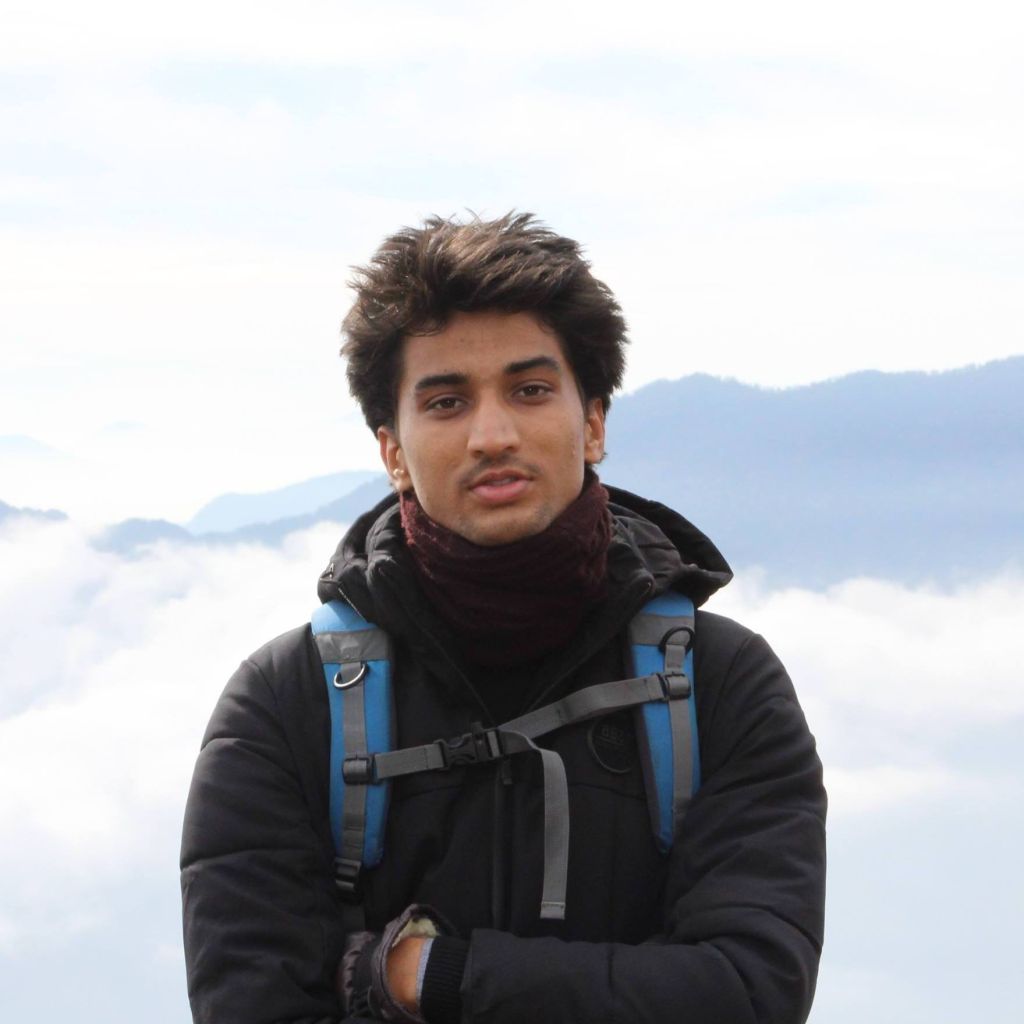
Rabin Lamsal is a passionate travel blogger and content writer who enjoys writing about all sorts of subjects. His hobbies include music, traveling, and writing, among others.
Author
Mohan Raj Bhandari
Founder/Managing director
A native of the Annapurna region, he brings over 17 years of firsthand experience leading treks across the mountains of Nepal. His deep local roots and proven guiding expertise make him a trusted authority on authentic Himalayan adventures.
Field Notes, Monthly
Receive monthly trekking updates, seasonal trail conditions, permit changes, packing
advice, and exclusive travel planning tips from our local guides.