Upper Mustang Trek - 14 Days
The 14-Day Upper Mustang Trek starts from Kathmandu via Pokhara & Jomsom into the trans-Himalaya...
OVERVIEW & HIGHLIGHTS
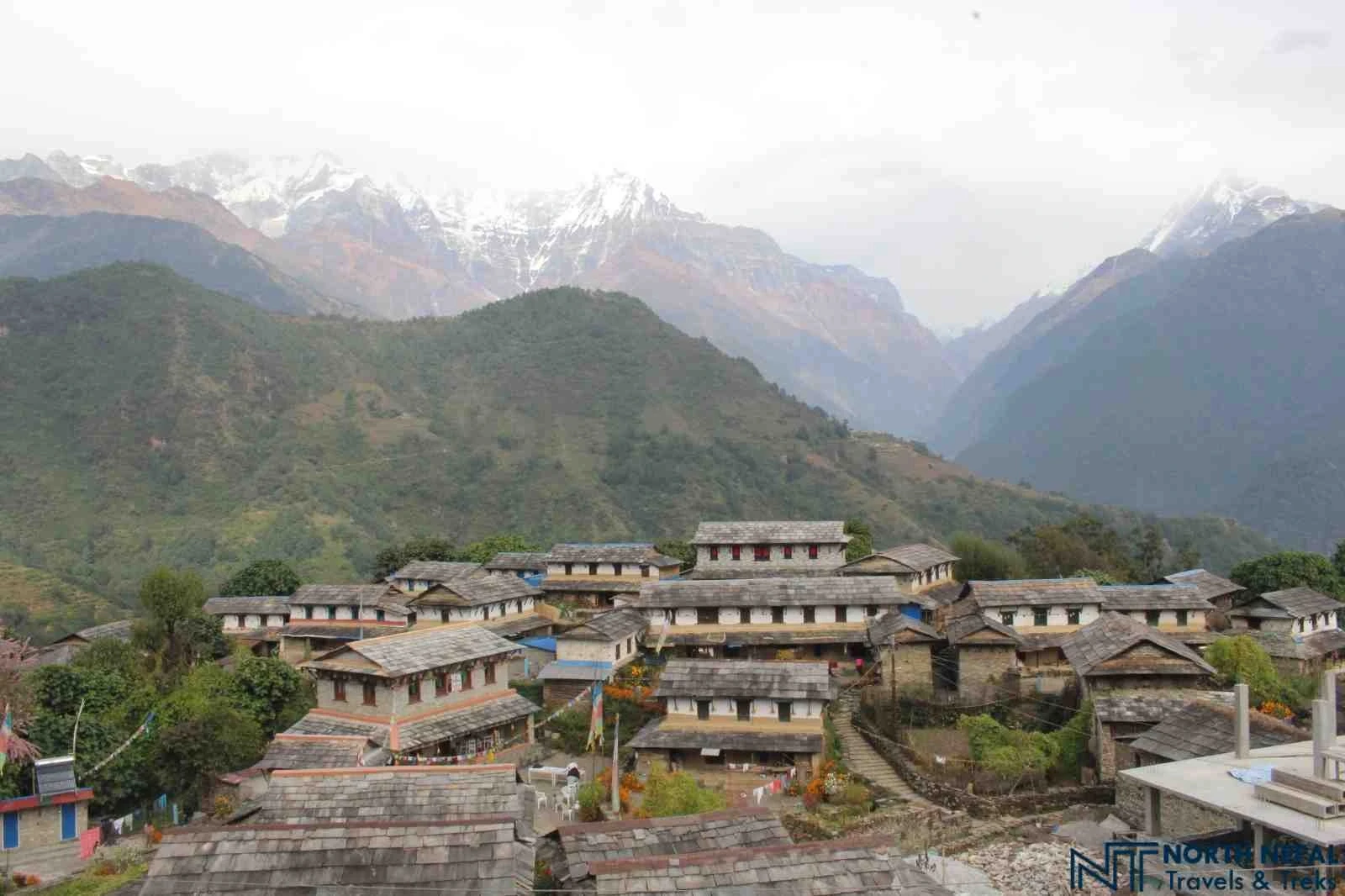
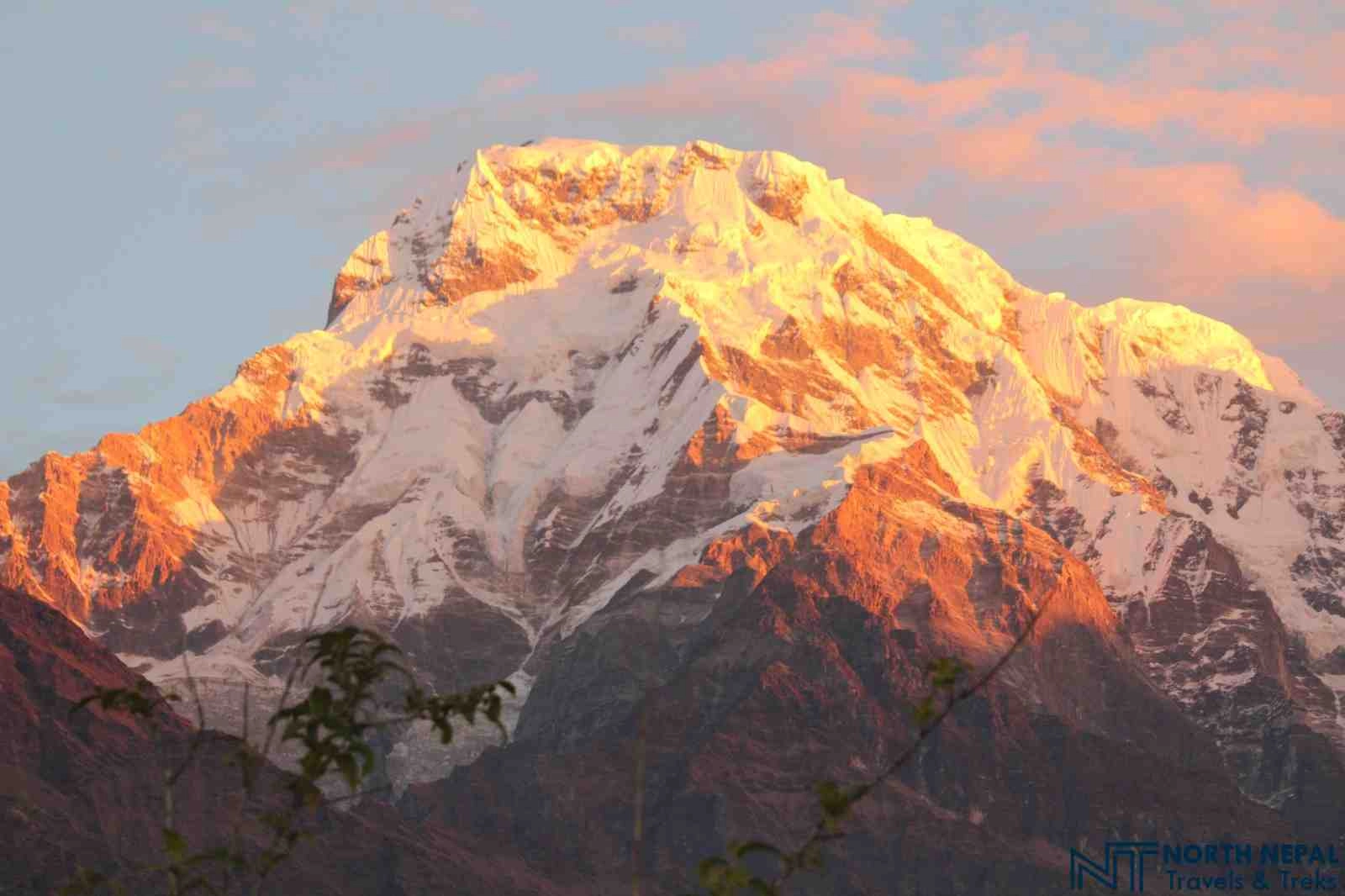
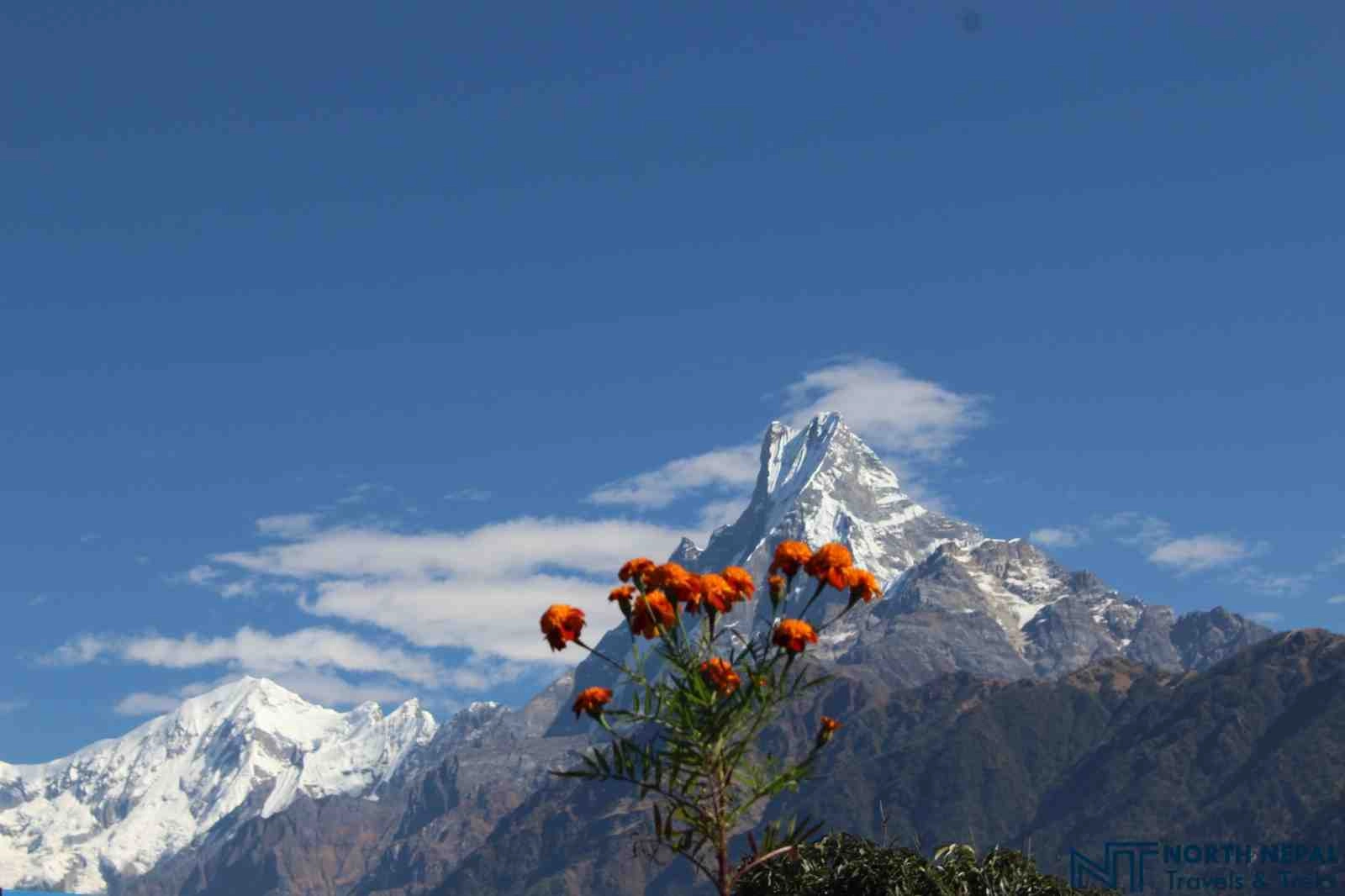
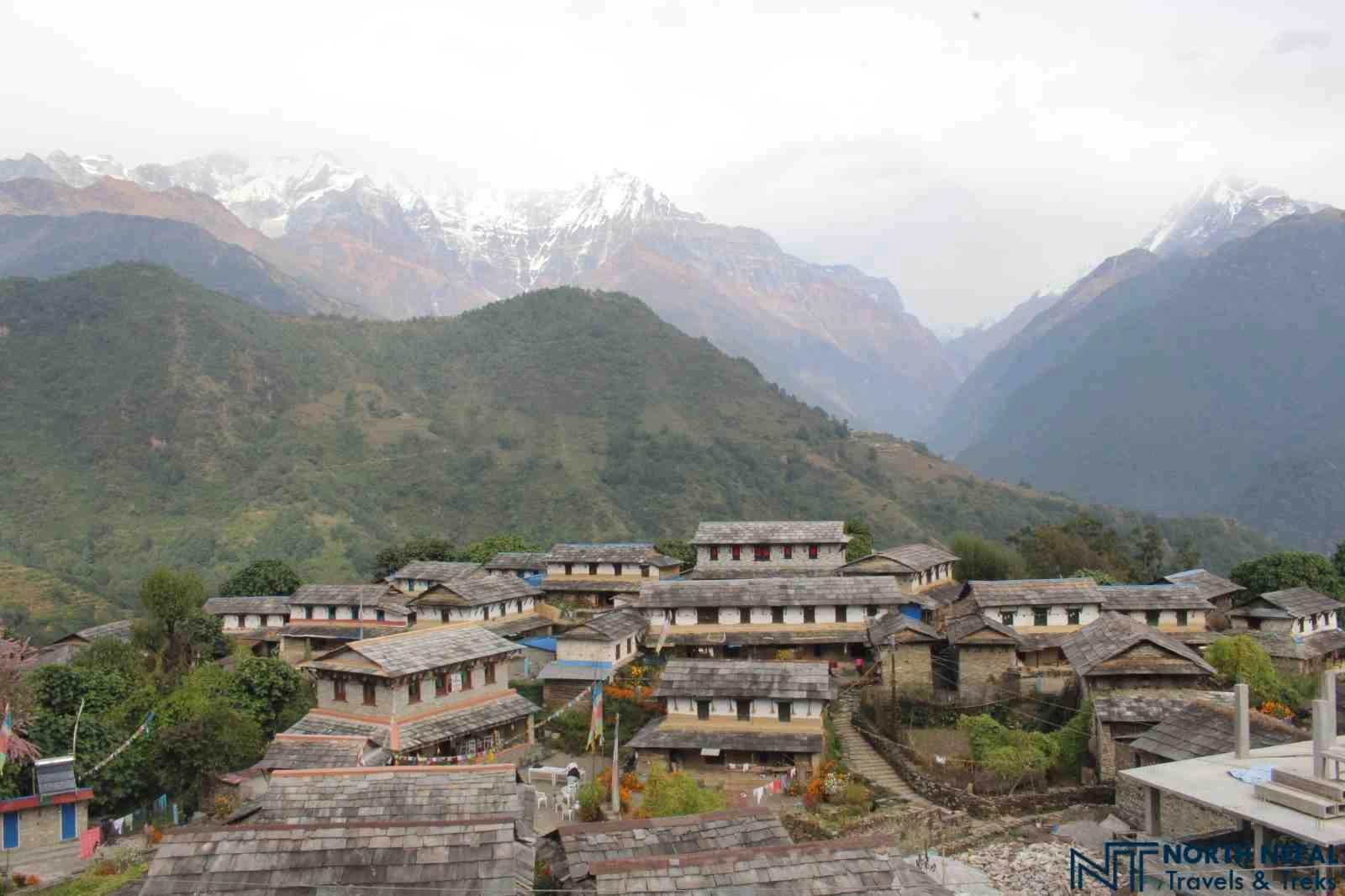
Nepal is a popular trekking destination for travelers from all over the world. The diverse landscape, along with the sanctuary of wildlife and the Himalayas, make Nepal an ideal destination. Moreover, diverse cultures and customs make it more appealing. However, many treks are physically demanding and take 10 to 15 days to complete. For people who prefer an alternative to this, there are also some short and easy treks. And the Ghandruk trek is one such Trek. A hike to a gorgeous village to the north of Pokhara, the Ghandruk Trek is one of the most beautiful and popular treks of Pokhara that offers captivating scenery and an authentic rural lifestyle. It offers some grandiose views of Annapurna and stunning sunrises and sunsets. Moreover, the place has a beautiful Gurung community with excellent views of Machhapuchre and Himchuli as well.
Gopal Yonjan, Trekking Guide / Tour Guide
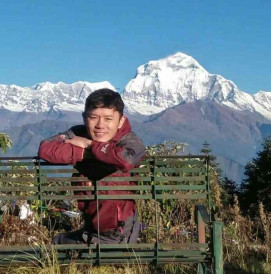
Mohan founded North Nepal Trek in 2015 with the goal of sharing authentic village life in the Annapurna foothills, and the Ghandruk Village Trek captures that vision perfectly. Gopal Yonjan reviewed this itinerary after guiding trekkers along Ghandruk's stone-paved lanes and terraced hillsides, with Annapurna South and Machhapuchhre (Fishtail) rising above the village's Gurung Museum and rooftops.
Catching a 25 min flight to Pokhara after breakfast in the hotel falls in the morning schedule however you can also take a tourist bus which takes about 7- 8 hrs.Reaching Pokhara International Airport our representative will be there to pick you up, and will take to the hotel for your stay. The ride from Pokhara Airport to the hotel in Lakeside is about 25 minutes. 
At Pokhara, the arcadian Phewa Lake reflects the snow-capped peaks, adding to the magic of the welcome. Upon reaching the Hotel you can visit Phewa Lake for boating with a beautiful Himalayan view or enjoy the vibrant nightlife of Lakeside. In the evening, we will hold a short brief session to discuss the trek ahead.
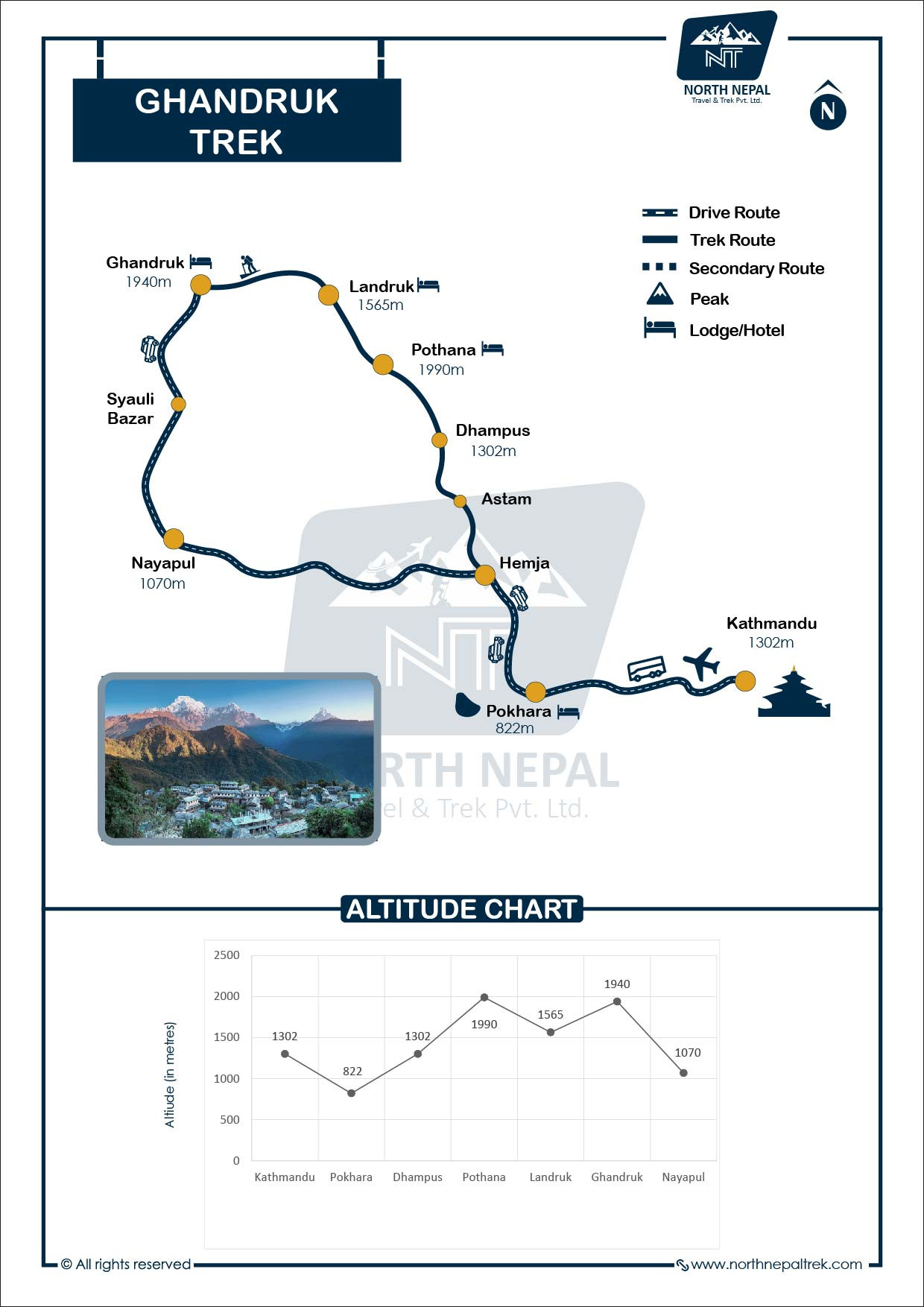
After breakfast, your trekking guide will meet you to commence an exciting journey. We will ride in a private vehicle to Hemja for 20 minutes, where our trekking adventure truly begins. The route takes us through scenic stairs, offering stunning views. After 2 hours of trekking, we reach Astam village, where we will have lunch. After lunch, we head towards Pothana through Dampus village. Dampus is a stunning picturesque location with incredible views of Mt. Machhapuchre and the Annapurna Himalayan Range. 
After an exhausting six hours of hiking, we will reach the enchanting Pothana teahouse, which is surrounded by serene nature. We will stay a night there and have dinner.
After breakfast, your trekking guide will meet you to commence an exciting journey. We will take a short, 20-minute ride in a private vehicle to Hemja, where our trekking adventure truly begins. The route will lead us along scenic stairs, offering breathtaking views. After approximately 2 hours of trekking, we will arrive at Astam village for lunch.
Following our meal, we will continue our journey toward Pothana, passing through the picturesque Dampus village, renowned for its stunning vistas of Mt. Machhapuchre and the Annapurna Himalayan Range. After a breathtaking 6-hour hike, we will reach the charming Pothana teahouse, surrounded by the tranquil beauty of nature. We will spend the night there and enjoy dinner.
Following breakfast, we set off for the Ghandruk, where the views of the south Annapurna and Himchuli make the trek more mesmerizing Initially, we descend a series of stairs, following a majestic view of the river before crossing a suspension bridge. Afterward, we ascend the heavier stairs leaving us to the Ghandruk village.
Ghandruk is one of the popular places with Spectacular Views of Annapurna South, Himchuli, and Machhapuchre. Also, It is the home of the Gurung community these ethnic groups are rich in their culture and traditions. We can explore the Musem that preserves the Gurung Tradition reflecting Gurung Livelihood. The remaining time we explore the tea garden.
We wake up early to view the breathtaking sunrise over the mountains. After breakfast, we trek down towards Syaulibazar, which takes an hour to reach the pickup point. Our car will be there to pick us up.
After a quick lunch at the pick-up point, we will return to Pokhara. The drive is about 2.5 hours. Our Beautiful Journey to Ghandruk ends here.
Note:
Autumn Trail Alert: Expect dry, well-kept stone steps and mild days with cool nights on the Ghandruk Village Trek this season. Wifi is reliable in Ghandruk, and comfortable, bustling teahouses await along the route.
Apr 2024 • Couples
First time coming to Pokhara for trekking, my girlfriend and I participated in a three-day, two-night itinerary that included visits to Poon Hill and Ghandruk. We found North Nepal through a friend's recommendation, and the owner provided clear explanations beforehand, actively helping us arrange a suitable itinerary.
Our mountain guide was Raj. Raj's English was very fluent; he elaborately introduced the highlights of the journey and was able to answer any questions we had. Throughout the trek, Raj was attentive to each group member's condition while maintaining flexibility in the itinerary.
My girlfriend started experiencing discomfort in her knee on the second day but still insisted on completing the entire journey. Raj accompanied us every step of the way, ensuring our safe arrival at the destination (originally a 7-hour trek, it took us 11 hours).
I cannot imagine how much less enjoyable this trek would have been without Raj as our mountain guide. I highly recommend anyone trekking in Pokhara to seriously consider North Nepal for itinerary inquiries and to specifically request Raj as your guide. It will surely result in a comfortable and wonderful experience.

Jul 2023 • Solo
I spoke to Mohan before arriving to Pokhara via WhatsApp and he gave me a good feeling. He sent me detailed itinerary which was quite in line with my wishes and when we met he further tailored the trek and also introduced me to my potential guide Raj.
Raj made a good first impression and also read some reviews about him from others. I decided to go on a 7/8 day private trek with him around Ghandruk and then into lower Mustang.
Raj was on top of everything from the start, I hardly had to think for myself and could just enjoy the trek without having to worry about anything (except the "adventurous" bus rides maybe). Raj was kind, fun to hang out with, very knowledgeable and made me feel very secure in whatever situation we ended up in. Raj is great with all sorts of people which really helped with meeting the locals. He was also very transparent and correct with regards to finances which I appreciated as I opted not to take the complete package but just hire him as my guide.
Finally, Raj was patient, integer, always excited/optimistic, saved me from numerous leeches(more important than it may sound), very flexible and really made sure the tour was in line with what I wanted while disregarding his personal preferences.
I can't recommend Raj enough and very much hope to trek with him again in future.
While the Ghandruk Village Trek reaches a comfortable maximum altitude of 2,012 m (6,364 ft) — keeping altitude health risks minimal — our itineraries feature steady pacing across stone staircases and terraced hillsides. Guides conduct routine daily check-ins to ensure all participants stay well-hydrated, comfortable, and enjoy the Gurung cultural experience at an easy, relaxed pace.
In cases of unexpected injury, acute illness, or adverse weather conditions, emergency evacuation support is coordinated directly through local rescue services. Evacuations are initiated promptly upon assessment by your guide in communication with our Pokhara and Kathmandu offices.
All trekkers must hold comprehensive travel insurance covering emergency medical treatment, standard hill trekking, and emergency rescue/evacuation. Insurance details must be submitted prior to the departure of the trek to streamline emergency logistics if required.
Secure the Ghandruk Village Trek for 2026/2027 before the seat gets fully booked.
The Ghandruk Village Trek is a short trek in Nepal’s Annapurna region that combines Himalayan views, forest trails, traditional villages and Gurung culture. The route passes through the lower Annapurna foothills before reaching Ghandruk, a traditional Gurung village at around 2,012m. From the village, you can see Annapurna South, Machhapuchhre (Fishtail) and Hiunchuli on clear days. It’s a good choice if you want a genuine Himalayan trekking experience without going to high altitude.
The trekking section can be completed in around 3 to 4 days from Pokhara, depending on the route and walking pace. North Nepal Trek also offers a 6-day package from Kathmandu that includes travel between Kathmandu and Pokhara. Shorter private itineraries can be arranged for travellers with limited time.
Yes. Ghandruk is one of the more approachable treks in the Annapurna region and doesn’t require previous trekking experience. The trail follows established village paths and stone steps without technical climbing. You should still be comfortable walking for several hours a day, as there are regular uphill and downhill sections.
Yes, provided they’re comfortable with several hours of walking and stairs. The relatively low elevation makes Ghandruk easier for families than high-altitude Annapurna routes. The village, Gurung Museum, forests and mountain views also give children plenty to explore along the way. For older travellers, the itinerary can be paced around their walking ability.
Both are short Annapurna treks from Pokhara, but the experience is different. Ghandruk focuses more on Gurung culture, village life, local food and relaxed mountain walking. Poon Hill is more focused on the sunrise viewpoint at 3,210m and requires an early-morning climb. Ghandruk is generally the better choice for families and travellers who want culture alongside mountain scenery.
On a clear day, Ghandruk offers views of Annapurna South, Machhapuchhre (Fishtail), Hiunchuli and other peaks of the Annapurna range. Morning is usually the best time for mountain views, before clouds begin to build. The mountains can be seen from different viewpoints around the village and along nearby trails.
Yes. Ghandruk connects naturally with the Annapurna Base Camp route. From Ghandruk, the trail continues toward Chhomrong and then into the Annapurna Sanctuary. Extending the trek means adding several days and travelling to much higher elevations, so it’s best planned as part of your itinerary from the beginning.
Ghandruk is one of the best-known Gurung villages in the Annapurna region. Traditional stone houses, narrow village lanes, local food and Gurung customs are an important part of the experience. The community also has a long connection with the Gurkha tradition. Walking through Ghandruk gives you an opportunity to experience village life rather than simply passing through a trekking stop.
Yes. Depending on your travel dates and arrangements, you may experience traditional Gurung music, dance, clothing and local customs. Staying in a homestay and eating local food can make the cultural experience more personal. Cultural performances should be arranged respectfully and in advance where necessary.
The Gurung Museum is a local museum documenting the history and traditions of the Gurung community. Its exhibits include traditional clothing, farming and household tools, photographs, cultural objects and material connected with Gurung religious practices and the Gurkha tradition. Allow around an hour if you want time to properly explore the exhibits.
Yes, homestay accommodation can be arranged depending on availability and your chosen itinerary. Staying with a local family gives you a closer look at daily village life and can be a good way to experience traditional food and Gurung hospitality.
March to May and October to November are the most reliable periods. Spring brings rhododendron flowers and greener hills, while autumn generally offers clearer skies and sharper Himalayan views after the monsoon. December is colder, particularly in the mornings and evenings, but the trails are quieter. The trek can be done year-round if you’re prepared for seasonal conditions.
October is an excellent choice if clear mountain views are your priority. The monsoon has usually cleared, daytime temperatures are comfortable for walking and the atmosphere is often clear. November is also a strong month and can be slightly quieter. For rhododendron photography, March and April are better choices.
Yes, but expect wetter conditions. Rain can make stone steps and forest trails slippery, while clouds may obscure the Annapurna range. If you travel between June and September, bring reliable rain protection and trekking shoes with good grip. If mountain views are your main priority, autumn is a better choice.
Winter mornings and evenings can be cold, while daytime walking is often comfortable when the sun is out. The surrounding high peaks may be covered with snow, creating a different landscape from the warmer seasons. Warm layers, gloves and a good insulating jacket are useful if you trek in December, January or February.
You’ll stay mainly in teahouses, lodges or local homestays depending on your itinerary. Ghandruk has a range of simple accommodation, with basic rooms and shared facilities common on the trekking route. Meals include familiar trekking staples such as dal bhat, noodles, soup, eggs and vegetables. In Ghandruk, you can also try local dishes such as dhido and gundruk soup.
Yes. Homestays are available depending on the property and current availability. They’re particularly worthwhile if you want to experience Gurung village life, local food and family hospitality rather than staying only in a standard teahouse.
Try dhido, a traditional staple made from grains such as buckwheat or millet, and gundruk, fermented leafy greens commonly prepared as soup. You’ll also find dal bhat, vegetables, noodles, eggs, bread and other familiar trekking meals throughout the route.
The usual journey begins with travel from Kathmandu to Pokhara by domestic flight or road. From Pokhara, private ground transportation takes you toward the trekking trailhead. The exact starting point depends on your selected Ghandruk itinerary.
The starting point depends on the itinerary. Routes can begin from places such as Hemja or other road-accessible points around the Pokhara Valley before continuing through the Annapurna foothills. Your trekking company should confirm the exact trailhead and transportation arrangements before departure.
The return route depends on the itinerary. A common route descends from Ghandruk toward Syaulibazar, where a vehicle can pick you up for the drive back to Pokhara. The exact road journey depends on trail conditions and the transport arrangement.
Yes. Ghandruk lies inside the Annapurna Conservation Area, so international trekkers need an Annapurna Conservation Area Permit (ACAP). The current North Nepal Trek information lists the 2026 ACAP fee at NPR 3,000 per international visitor. Permit arrangements can be handled as part of an organized trekking package.
TIMS requirements can change according to current trekking regulations and how your trek is organized. Rather than relying on an older blanket rule, confirm the current requirement with your trekking company when booking. This is particularly important if you’re planning to trek independently or with a private guide.
Yes. The trek can be customized around your available time, walking pace and interests. You can adjust the number of trekking days, transportation, accommodation and stops along the route. A private itinerary is particularly useful if you want more time for photography, village visits or cultural experiences.
The risk is relatively low because Ghandruk is around 2,012m, considerably lower than classic high-altitude Himalayan destinations. However, altitude affects people differently, so it’s still sensible to stay hydrated, walk at a comfortable pace and tell your guide if you experience unusual headache, dizziness, nausea or breathing difficulties.
You don’t need advanced trekking fitness, but you should be comfortable walking for several hours and climbing stairs. The trail has repeated uphill and downhill sections, including stone steps. Regular walking or hiking before the trip will make the trek easier and allow you to enjoy the villages and scenery without rushing.
The trail is established and popular, but international travellers should follow the current Annapurna Conservation Area trekking requirements, including any applicable guide rules. Travelling with a local guide also makes navigation, accommodation, communication and emergency assistance easier.
Yes. Travel insurance covering trekking activities, medical treatment and emergency evacuation is strongly recommended. Even on a relatively low-altitude trek, injuries, illness, road problems and unexpected weather can happen. Make sure your policy specifically covers the activities and elevations included in your itinerary.
You can pack relatively light for Ghandruk. Bring comfortable trekking shoes with good grip, lightweight trekking clothes, warm layers, a waterproof jacket, rain protection, sun protection, sunglasses, sunscreen, a reusable water bottle, personal medication, basic toiletries and a power bank. Trekking poles can be useful on the stone steps and downhill sections.
A sleeping bag isn’t essential for every traveller because teahouses provide bedding, but it can add warmth and comfort during colder months. A lightweight sleeping bag is particularly useful if you’re sensitive to cold or travelling during winter.
Yes. Basic trekking equipment such as trekking poles, sleeping bags, jackets and backpacks can be rented or purchased in Pokhara. Ghandruk is a lower-altitude trek, so there’s no need for technical mountaineering equipment.
The cost depends on the itinerary, group size, duration and services included. North Nepal Trek currently lists Ghandruk packages from around USD 260 per person for larger groups, with higher rates for smaller or private groups. Check the specific departure or private-trip quotation for the current price and inclusions.
The package can include trekking accommodation, breakfast, lunch and dinner during the trek, guide services, transportation specified in the itinerary, required permits and applicable taxes. The exact inclusions depend on the package you book, so check the current itinerary and quotation before making payment.
Allow extra money for personal drinks, snacks, bottled water, hot showers where available, charging electronic devices, tips and services not included in your package. Additional transportation or accommodation caused by voluntary itinerary changes or unexpected circumstances may also cost extra.
Yes. A private Ghandruk Trek can be arranged for individuals, couples, families and small groups. Private trips give you more control over departure dates, walking pace, accommodation and stops along the route. The price depends on group size and the services requested.
Yes. Ghandruk can be arranged as a shorter trek from Pokhara, while travellers starting from Kathmandu can choose a longer package that includes travel days. The exact duration depends on your starting point and how much time you want to spend walking.
Changes may be possible, but they can affect transportation, accommodation, trekking days and total cost. Significant changes should be discussed with the trekking company as early as possible so arrangements can be updated without creating problems on the trail.
Yes. Ghandruk connects with several routes in the Annapurna region, including Annapurna Base Camp and other short trekking itineraries. The combination should be planned according to your available days, fitness and desired maximum elevation rather than simply adding extra walking days at the last minute.
WiFi may be available at some teahouses and lodges, particularly in larger villages, but you shouldn’t expect a reliable connection throughout the route. Internet access can be slower or unavailable in more remote sections. Download important travel information before leaving Pokhara.
Mobile coverage varies along the trail. Signal is generally more reliable around villages and settlements and weaker in forested or isolated sections. If you need to stay reachable, tell your guide and accommodation provider in advance and carry your phone with sufficient battery.
Charging may be available at accommodation, although availability and charging fees can vary. A power bank is recommended, especially if you’re using your phone for photography, communication or navigation.
The trek passes through terraced farmland, rhododendron and mixed forests, stone-paved village trails and open mountain viewpoints. The landscape changes from the lower green hills around Pokhara to traditional mountain settlements and panoramic viewpoints around Ghandruk.
Yes. Spring is the best season for rhododendron flowers. Around March and April, forests along the Annapurna foothills can become filled with red, pink and other rhododendron blooms. Flowering varies with elevation and weather, but spring is particularly rewarding for nature and landscape photography.
You may see birds, butterflies and other smaller forest wildlife along the route. The trail passes through protected landscapes within the Annapurna Conservation Area, but wildlife sightings aren’t guaranteed. It’s best to enjoy the forest as part of the trekking experience rather than expect a dedicated wildlife-watching trip.
Yes. Ghandruk combines Himalayan scenery with traditional stone houses, terraced fields, rhododendron forests, village life and Gurung culture. October and November are particularly good for clear mountain photography, while March and April are excellent for rhododendron and landscape photography.