Upper Mustang Trek - 14 Days
The 14-Day Upper Mustang Trek starts from Kathmandu via Pokhara & Jomsom into the trans-Himalaya...
OVERVIEW & HIGHLIGHTS
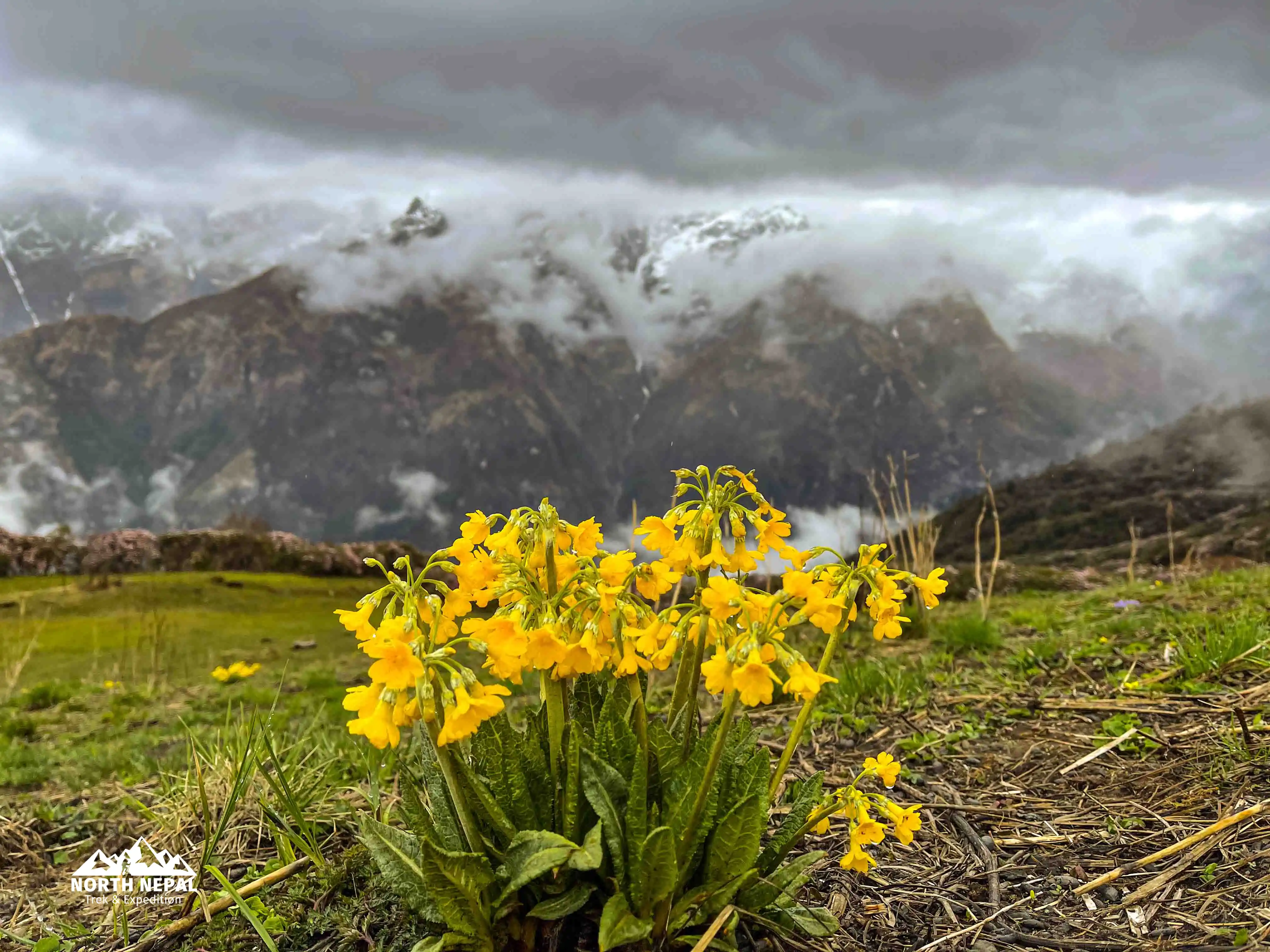
Sikles is a beautiful and remarkably well-preserved village situated on a small hill at an elevation of about 2000 m. Sikles village's short trek takes you to distant communities that are quaint and gorgeous. This trek is a fantastic short trek and traverses a variety of terrain from low-elevation villages to mid-hill settlements. Mostly, Gurung communities inhabit this place. Moreover, the place is filled with lush green vegetation along with rhododendron trees.
Basanta Subedi, Tour Guide
Sikles Village Trek route and pacing are drawn from 12+ years guiding the Annapurna region. Mohan founded North Nepal Trek in 2015; this itinerary has been reviewed by Basanta Subedi, one of our government-licensed local guides.
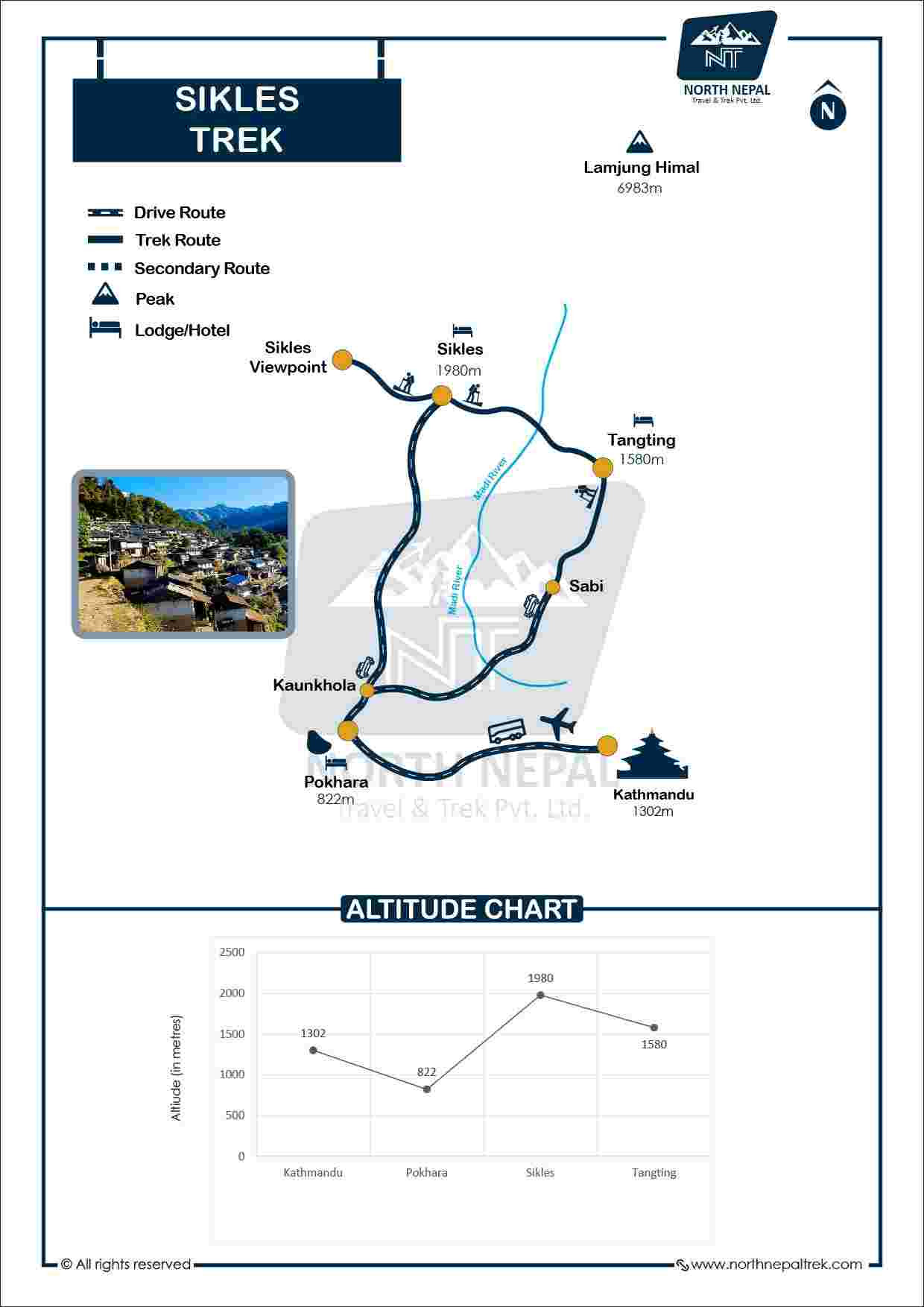
Our second day is filled with beautiful scenic views from the ride to Pokhara, we will take a tourist bus to get to Pokhara from Kathmandu. Sit back and enjoy the beautiful surrounding views of the landscapes and the mountains. We will stop on the way for lunch and reach Pokhara in around 6-7 hours. We will have dinner in Pokhara and stay at a hotel in Pokhara. You can also take a flight to Pokhara which takes about 25 mins.
Photo: Important sightseeing places of Pokhara city.
We begin by getting on a private vehicle to reach Kaunkhola. From there, we take an off-road vehicle to reach Sikles. It is about 4 hours of off-road drive. The vehicle will drop us near the village of Sikles.
Photo: Local Dog basking sun and Lamjung peak in the backdrop.
From there, we walk for about 15 minutes to reach the village. We then go to our hotel where we’ll spend the night.
In the morning, we will visit the popular viewpoint on the top of the hill. The Sikle's viewpoint is about an hour's walk away uphill. We will view some fantastic scenery from there.
Photo: Tanting Village.
We then return to our hotel. There, we will have a meal, and we begin our hiking. We hike all the way through the foothills and to the other side of the valley in Tangting. It will take about 3 hours to hike. We will then spend the night in Tangting.
We’ll explore the village of Tangting in the morning. Then, after having a meal, we will hike downhill towards Pokhara. We hike for about 3 hours to Sabi, which is a small town. From there, we can take a bus that will bring us back to Pokhara which is about a two-hour ride.
Photo: View of Fewa Lake and Machhapuchre peak from pokhara peace pagoda.
While the Sikles Village Trek reaches a comfortable maximum altitude of 2,000 m (6,562 ft) — keeping altitude health risks minimal — our itineraries feature steady pacing across terraced hillsides, stone steps, and mid-hill terrain. Guides conduct routine daily check-ins to ensure all participants, including children and families, remain well-hydrated, comfortable, and pace themselves safely through local weather conditions.
In cases of unexpected injury, acute illness, or adverse weather conditions (such as slippery trails during seasonal rains), emergency evacuation support is coordinated directly through local rescue services. Evacuations are initiated promptly upon assessment by your guide in communication with our Pokhara and Kathmandu offices.
All trekkers must hold comprehensive travel insurance covering emergency medical treatment, standard hill trekking, and emergency rescue/evacuation. Insurance details must be submitted prior to the departure of the trek to streamline emergency logistics if required.
Secure the Sikles Village Trek for 2026/2027 before the seat gets fully booked.
The Sikles Village Trek is a short cultural trek in the Annapurna region, starting from Pokhara and leading to Sikles, a traditional Gurung settlement at around 2,000m. The route combines village life, Himalayan views, forest trails and community-based accommodation. It’s a good option if you want to experience Gurung culture and the Annapurna foothills without committing to a high-altitude trek.
Most Sikles itineraries take 3 to 5 days, depending on the route and how much time you want to spend in the villages. A typical trip includes transportation from Pokhara, time in Sikles and Tangting, walking between the villages and a return drive to Pokhara. The itinerary can be adjusted for private groups.
The Sikles Village Trek is an easy trek suitable for beginners and travellers who don’t have previous Himalayan trekking experience. Walking generally involves 4 to 6 hours per day on village paths, stone steps and forest trails. There are uphill and downhill sections, but no technical climbing.
Yes. Its relatively low elevation, short walking days and established village trails make Sikles a good introduction to trekking in Nepal. You should still be comfortable walking for several hours and handling uneven ground and stairs.
Yes. Sikles can work well for families because the route is relatively short and stays at low elevation. Children who enjoy walking and outdoor activities can experience village life, forests and Himalayan scenery without the demands of a high-altitude trek. Younger children should be assessed individually based on their walking ability.
On clear days, the route offers views toward Machhapuchhre (Fishtail), Annapurna II, Annapurna IV, Lamjung Himal and Manaslu. Early morning is usually the best time for mountain visibility, before clouds begin developing over the hills.
They offer different experiences. Sikles is stronger for Gurung culture, traditional village life and community homestays, while Panchase combines village trails with forests, religious sites and broad mountain viewpoints. Choose Sikles if cultural immersion is your priority; choose Panchase if you want a quieter hill trek with a stronger focus on viewpoints and nature.
Sikles is one of the well-known traditional Gurung settlements in the Annapurna region and is popularly associated with the “Village of the Brave Gurungs.” The village has a strong Gurung cultural identity, traditional stone houses and a long connection with Gurkha military service. Its mountain setting and preserved village character are major attractions.
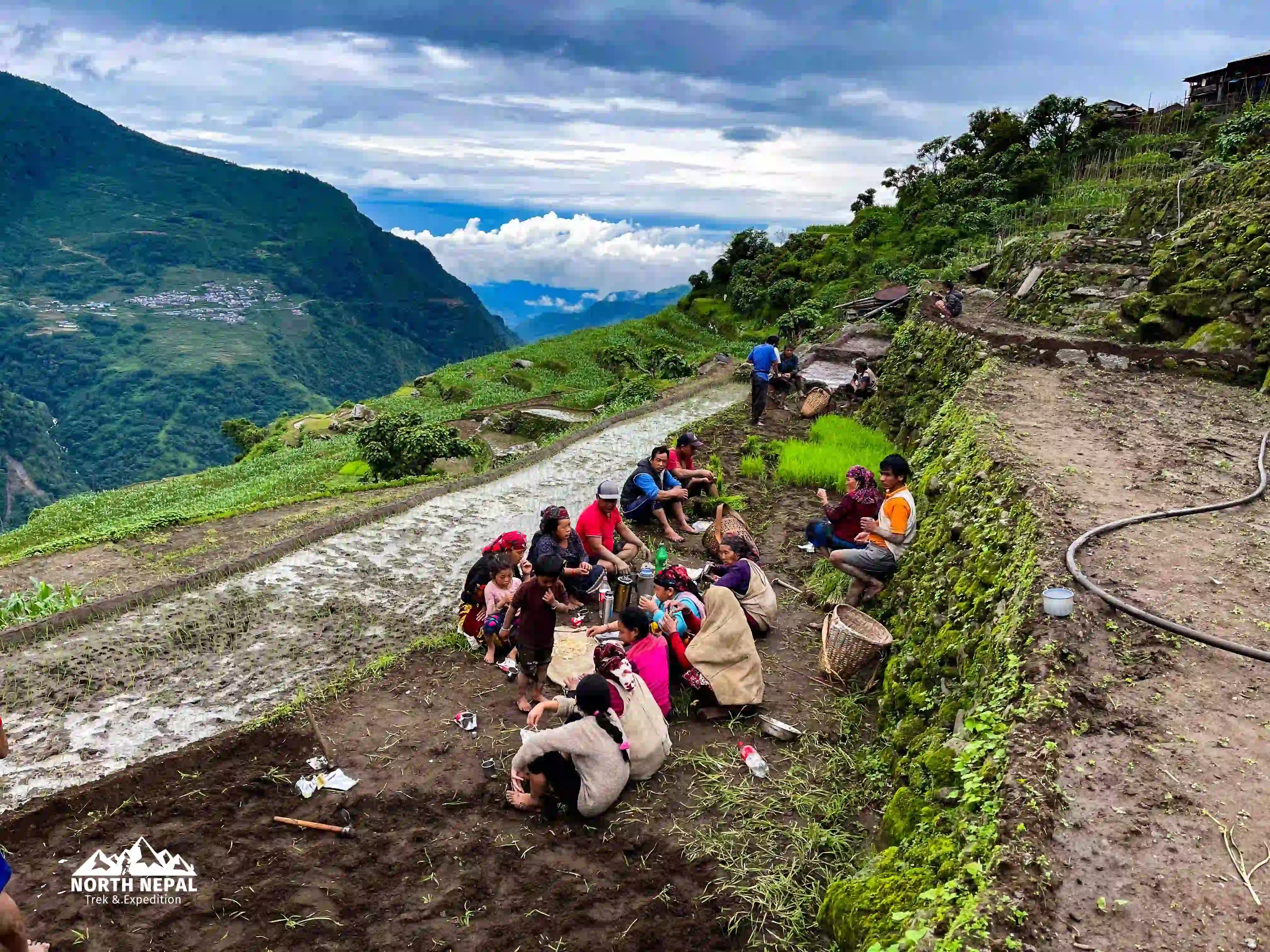
Yes. Culture is one of the main reasons to choose this trek. Walking through the village gives you a chance to see traditional architecture, farming practices and everyday community life. Staying in a local homestay adds another layer to the experience through local food and interaction with host families.
Sikles has a long association with Gurkha recruitment and military service, and many local families have connections with the British and Indian Gurkha regiments. This history forms an important part of the village identity and is reflected in local stories and community traditions.
Yes. Community homestays are one of the best ways to experience Sikles beyond sightseeing. You can share meals with a local family, learn about daily village life and experience Gurung hospitality in a more personal setting.
March to May and September to November are the best seasons for Sikles. Spring brings rhododendron flowers and greener hills, while autumn generally offers clearer skies and better Himalayan visibility. Winter is cooler but can provide crisp mountain views, while the monsoon brings rain and greener landscapes.
Yes, but expect wet conditions. Rain can make village and forest trails slippery, while clouds can reduce visibility of the mountains. If you travel during the monsoon, waterproof clothing, a backpack cover and shoes with good grip are useful.
Yes. Sikles remains accessible during winter, although mornings and evenings can be cold. Warm layers are important, particularly if you’re staying in a community homestay where heating facilities may be basic.
October and November are usually excellent for mountain photography because the air is often clear after the monsoon. Early morning is particularly good for photographing Machhapuchhre and the Annapurna range before clouds build over the mountains.
The risk is low because the trek stays around 2,000m. However, it isn’t accurate to say altitude sickness is impossible. People respond differently to elevation, so stay hydrated, walk at a comfortable pace and tell your guide if you develop unusual headache, dizziness, nausea or breathing difficulties.
A dedicated acclimatization day is generally not necessary for this low-altitude itinerary. The route reaches only around 2,000m and doesn’t involve the rapid elevation gains found on high-altitude Himalayan treks.
No. The trek is suitable for first-time trekkers who are comfortable walking several hours a day. Basic preparation through regular walking or hiking before the trip will make the route more enjoyable.
Travel insurance is strongly recommended for any trek in Nepal. Your policy should cover trekking activities, medical treatment, trip interruption and emergency evacuation. Even on a low-altitude trek, accidents, illness and unexpected travel disruptions can happen.
Sikles lies within the Annapurna Conservation Area, so an Annapurna Conservation Area Permit (ACAP) is required. Other trekking registration requirements can depend on current government regulations and how your trek is organized. North Nepal Travel & Trek can arrange the required documentation for an organized trek.
TIMS requirements can change, so this should be confirmed against the current regulations when you book. Rather than relying on an old blanket rule, North Nepal Travel & Trek can check the documentation applicable to your specific itinerary and arrange it where required.
Yes. The trek can be adjusted according to your available time, preferred walking pace and interests. You can spend more time in Sikles, add Tangting, change the walking sections or arrange private transportation according to your itinerary.
Sikles is reached by road from Pokhara, normally by jeep. The journey takes several hours depending on road and weather conditions. The final section is a mountain road, so travel time can vary.
Yes. Private transportation can be arranged for individuals, families and groups. A private jeep gives you greater flexibility with departure time, stops and luggage and can be especially convenient for a customized itinerary.
The return arrangement depends on your itinerary. After completing the walking section, transportation can be arranged from the road-accessible village or trail endpoint back to Pokhara. Your trekking company should confirm the pickup point before the trek begins.
Accommodation is mainly in community lodges and homestays. Facilities are simple but comfortable, with basic rooms and shared facilities. The main advantage is the opportunity to stay within the local community rather than relying only on commercial trekking lodges.
Yes. Homestays are a key part of the cultural experience in Sikles. Staying with a local family gives you an opportunity to experience traditional hospitality, local food and everyday village life.
Meals commonly include dal bhat, noodles, fried rice, soup, momos, Tibetan bread, eggs, seasonal vegetables, tea and coffee. Vegetarian meals are widely available, and dietary requirements can usually be managed if you inform the trekking company before departure.
Yes. Vegetarian food is widely available. If you have food allergies or follow a specific diet, tell your trekking company in advance so meals can be discussed with the accommodation providers before the trek.
You can pack relatively light. Bring comfortable trekking shoes, lightweight trekking clothes, a waterproof jacket, warm layers, trekking socks, sun protection, sunglasses, sunscreen, a reusable water bottle, personal medication, basic toiletries and a power bank. A small daypack is enough for daily essentials.
A sleeping bag isn’t essential for every traveller because accommodation provides bedding, but it can add warmth and comfort during colder months. North Nepal Travel & Trek provides a sleeping bag according to the package arrangement.
Trekking poles aren’t essential, but they can be useful on stone steps, uneven trails and downhill sections. North Nepal Travel & Trek can provide trekking poles as part of the trekking equipment arrangement.
Yes. Basic trekking equipment such as trekking poles, sleeping bags, jackets and backpacks can be rented or purchased in Pokhara. You don’t need technical mountaineering equipment for the Sikles Village Trek.
The price depends on the number of travellers, itinerary length, accommodation and transportation. A private trek and a group departure may have different rates. Request a current quotation based on your travel dates and group size rather than relying on an old published price.
Depending on the package, inclusions can cover transportation, guide services, accommodation, meals, required permits and trekking equipment such as a sleeping bag and trekking poles. Always check the final itinerary and quotation for the exact inclusions.
Allow some extra Nepali rupees for personal drinks, snacks, bottled water, charging electronic devices, hot showers where available, tips and other personal purchases. Travel insurance and expenses caused by voluntary itinerary changes are normally separate.
Yes. Private trips can be arranged for solo travellers, couples, families and small groups. You can choose your departure date and adjust the itinerary according to your preferred walking pace and cultural interests.
Yes. A private itinerary is particularly useful for families because walking days, transportation and accommodation can be adjusted around children or older travellers. Additional time can also be allowed for village exploration and rest.
Changes may be possible, but they can affect transportation, accommodation, guide arrangements and the total cost. Discuss major changes with the trekking company before departure so arrangements can be updated properly.
North Nepal Travel & Trek provides local guide support, transportation, permit arrangements, community-based accommodation and trekking equipment for the Sikles route. Local guides also add value by explaining Gurung culture and helping with village logistics, which is particularly important on a trek where cultural experience is a major part of the journey.
Mobile coverage is available in parts of the route, particularly around Sikles, but signal strength can vary. Nepal Telecom (NTC) and Ncell may provide coverage depending on the location and network conditions. You shouldn’t expect continuous connectivity throughout the trek.
Some accommodation may offer WiFi, but connection speed and reliability vary. It’s considerably less dependable than the internet service you’ll find in Pokhara, so download maps, booking details and other important information before leaving the city.
Charging availability depends on the accommodation. It’s sensible to leave Pokhara with your phone and camera fully charged and carry a power bank, particularly if you use your phone for photography and communication.
No. Coverage can become weaker on forest trails and less populated sections between villages. If you need to stay connected for work or family reasons, tell people beforehand that there may be periods when you’re unreachable.