Khumai Korcha Trek 4 days| North Nepal Trek

Khumai Korcha Trek 4 days| North Nepal Trek
DESTINATION Nepal
MAX. ELEVATION 3682 m
WALKING DISTANCE ~40 km
GRADE Moderate
BEST SEASON March-May August-November
DURATION 4 Days
MEALS INCLUDED Breakfast, Lunch & Dinner
ACCOMMODATION Hotel, Teahouse , Camping

OVERVIEW & HIGHLIGHTS

Khumai Korcha Trek Overview

Experiencing the majestic scan of Annapurna South, Machhapuchhre (Fishtail), and Hiunchuli. National Flower Bush Forest, Flora & Fauna, encompasses beautiful villages, Scenic fantastic factors concerning streams, the endemic lifestyle and culture of ethnic dwellers, and Lush vegetation. Machhapuchhre Model Trek is a relatively new trekking route in the Annapurna Conservation Area.

It is perfect for trekkers seeking an unspoiled and less crowded trail for trekking. The trail encompasses gorgeous terrace farmlands, beautiful waterfalls, mountains, landscapes, and green vegetation. Also, it incorporates knowing about the amazing people of different ethnic groups living in the region and their lifestyles and culture. These include several communities, including Gurung, Magar, Tamang, Newar, and Brahmin, among others. 

Khumai-Korcha Trek Highlights

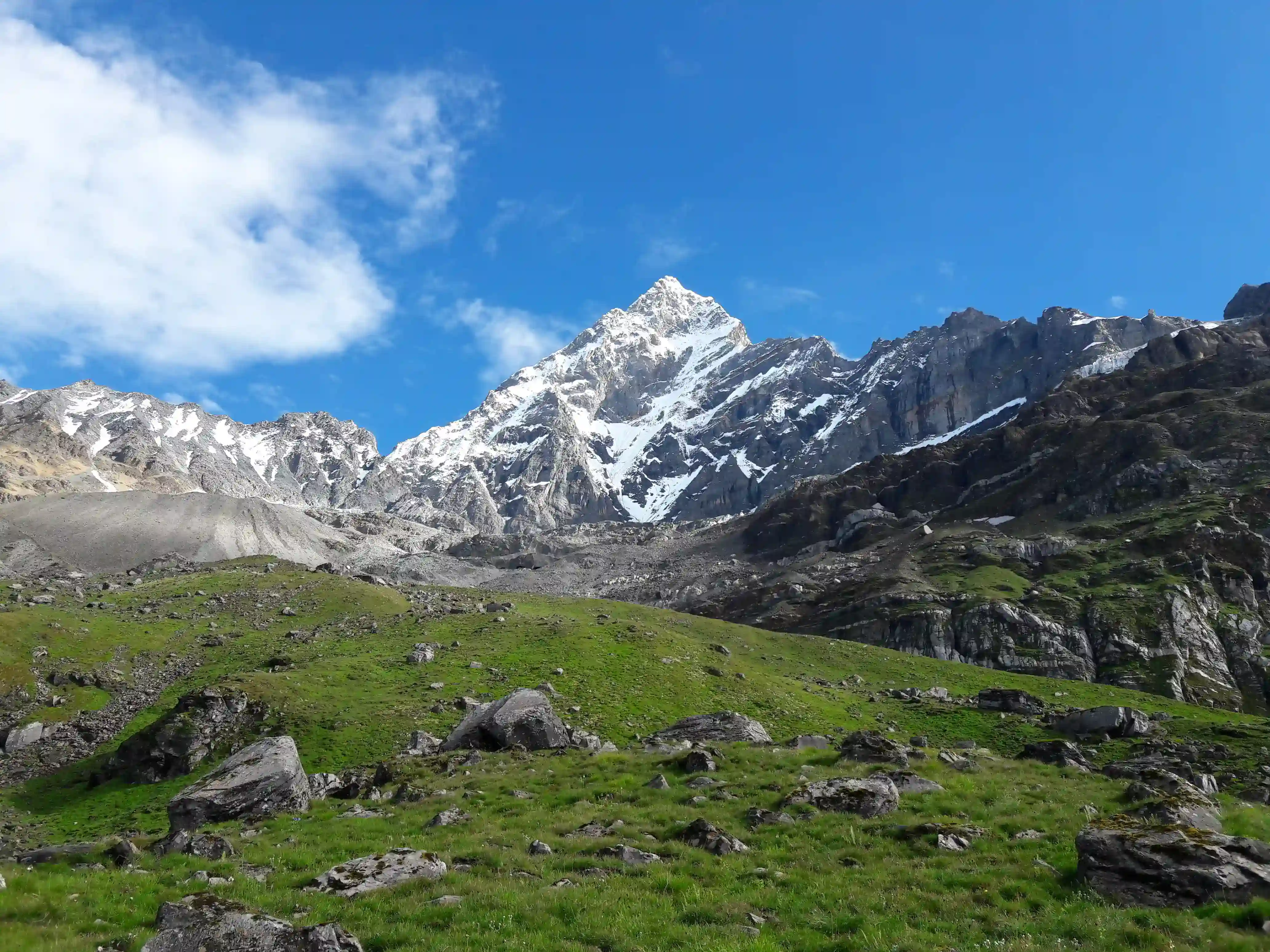
  • Hike to Korcha Danda (3,682 m) for an unforgettable sunrise and panoramic views of Machhapuchhre (Fishtail), Annapurna South, Hiunchuli, and the Annapurna range.
  • Explore the off-the-beaten-path Khumai–Korcha Trail, a peaceful alternative to the busier Annapurna trekking routes, perfect for trekkers seeking solitude and unspoiled nature.
  • Walk through lush rhododendron forests, alpine meadows, waterfalls, and terraced farmlands, showcasing the diverse landscapes of the Machhapuchhre Model Trek.
  • Experience authentic village life by staying in community homestays and meeting Gurung, Magar, Tamang, and other local communities known for their warm hospitality.
  • Enjoy a short yet rewarding adventure from Pokhara, combining scenic jeep rides, comfortable trekking days, and spectacular Himalayan scenery in just four days.
Rajendra Rai
Itinerary review by

Rajendra Rai, Trekking Guide

Khumai Korcha Trek route and pacing are drawn from 12+ years guiding the Annapurna region. Mohan founded North Nepal Trek in 2015; this itinerary has been reviewed by Rajendra Rai, one of our government-licensed local guides.

Khumai Korcha Trek Itinerary

Toggle all
Day 1

Pokhara to Lumre and Trek to Kaltha

HIGHEST ALT. 2900 m / 9514 ft
DURATION 3-4 hrs
Distance
DISTANCE 6 km

We will drive to Lumre, which takes about one and a half-hour. From there, we begin our hike.

We walk through stone steps through a forest for about 3.5 hours to reach Kaltha. We spend the night at a homestay in Kaltha.

Day 2

Kaltha to Meshroom

HIGHEST ALT. 2900 m / 9514 ft
DURATION 5-6 hrs
Distance
DISTANCE 7 km

On the second day, we will walk further uphill for about 5 hours to reach Meshroom where we spend the night.

Day 3

Meshroom to Korcha dada and back to Khumai Danda

HIGHEST ALT. 3682 m/ 11611 ft.
DURATION 7-8 hrs
Distance
DISTANCE 10 km

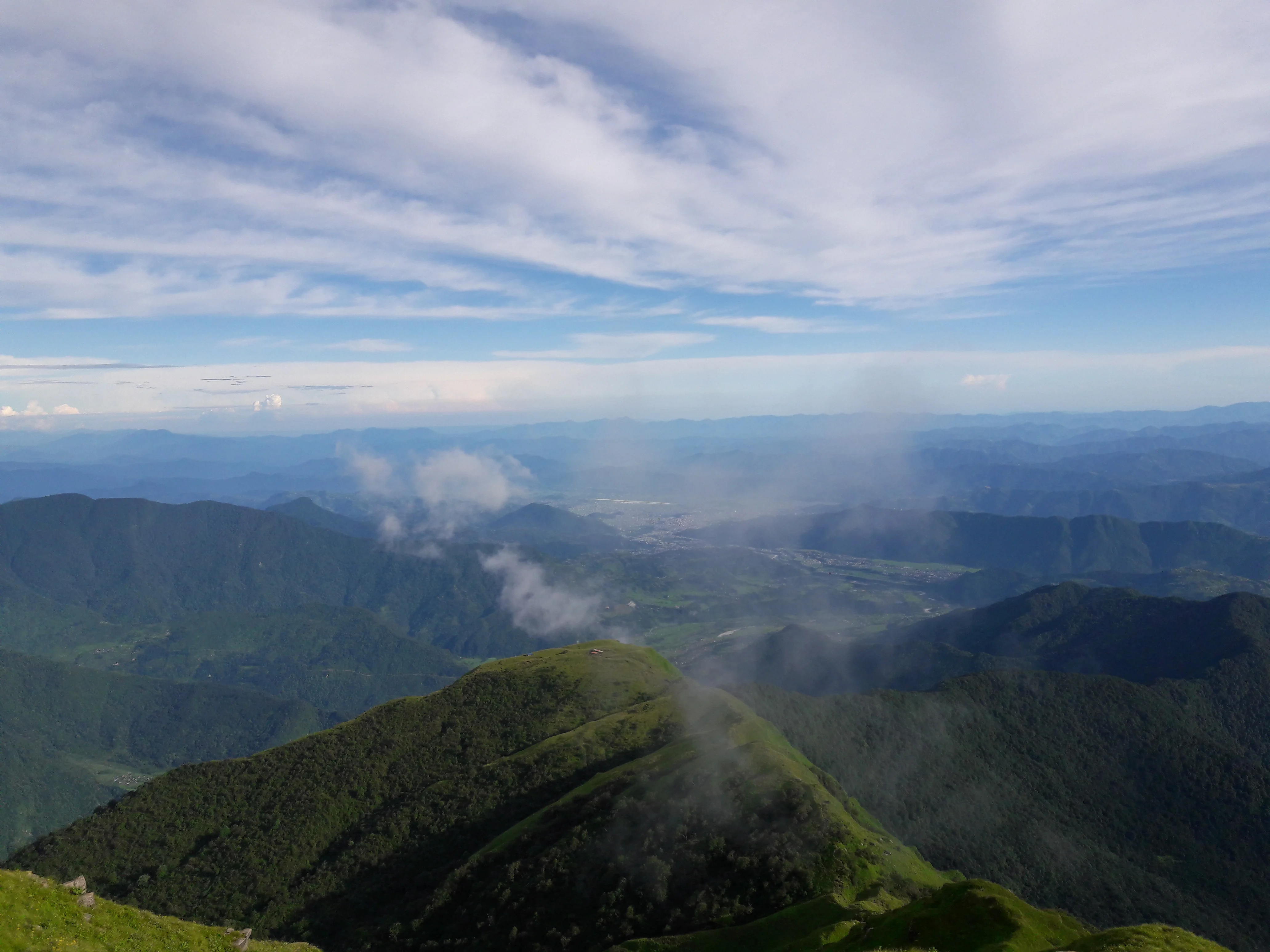
The next day, we will hike in the morning to Korjom Danda. There we will enjoy some magnificent views of the mountains and a beautiful sunrise. We will then walk back down to Khumai Danda. Khumai Danda is an open grassland which offers a panoramic view of the high Himalayas. The grassland is even more alluring and enticing during the Spring season as the whole grassland is adorned with green grasses.

Day 4

Khumai Danda to Ghachowk and Drive to Pokhara

HIGHEST ALT. 800 m / 2624 ft

On the final day, we will head back towards Ghachowk from Khumai Danda. After that, we can hop onto the jeep and drive back to Pokhara. We will drop you off at your hotel.

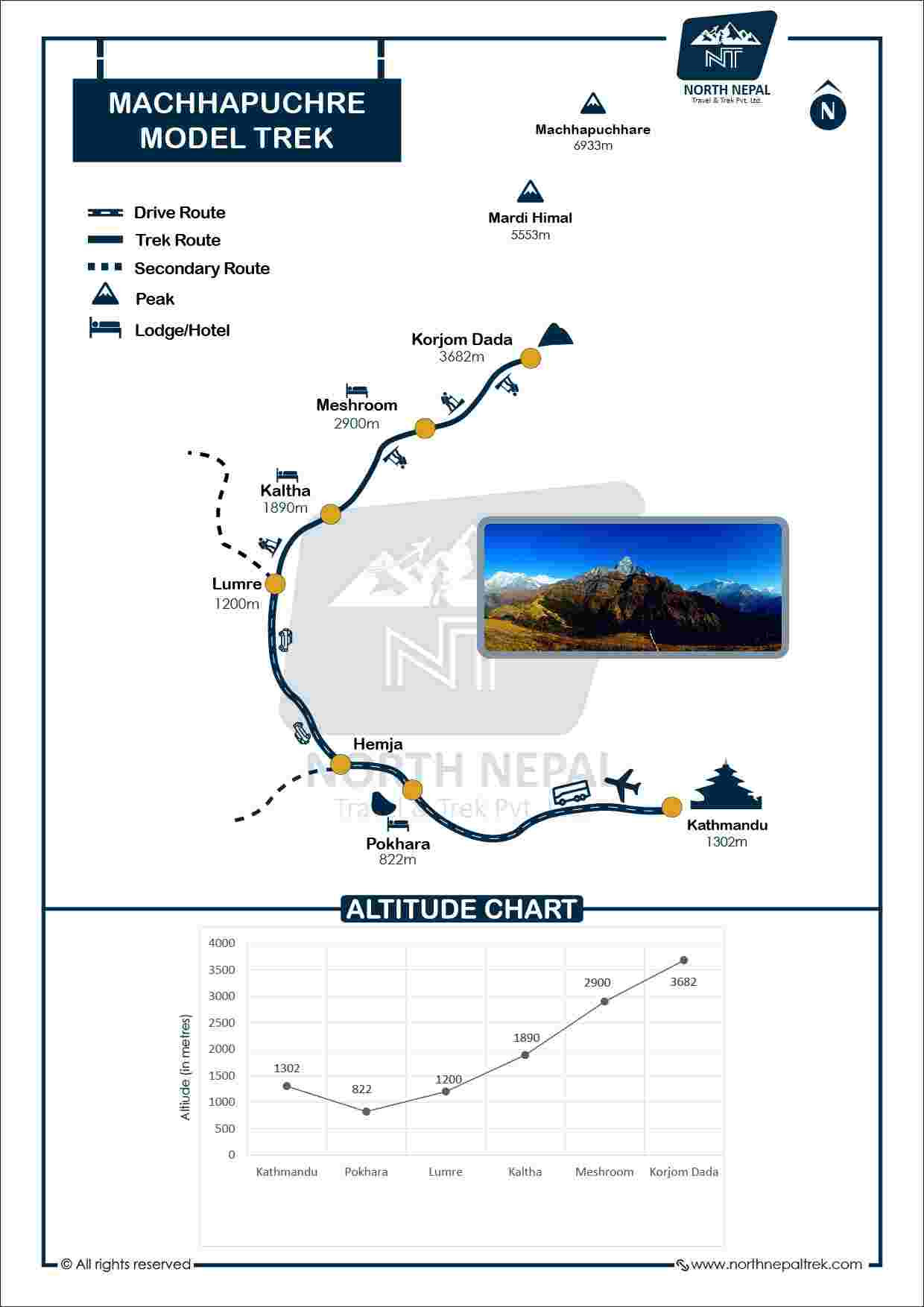
Korcha Trek Map and Altitude Graph

Korcha Trek Map and Altitude Graph

What's Included & Excluded

  • Two nights' hotel in Pokhara (Before and after the trek).
  • Pokhara to Lumre & at the end of the trek back from Lumre to Pokhara by Jeep.
  • We provide 3 meals per day (Breakfast, Lunch, and Dinner) and Tea / Coffee twice daily. Please note that each meal is served as a single serving. 
  • Tea House/ Homestay Accommodation during the trek. A professional English-speaking, Eco Trained trekking guide provides his food, accommodation, salary, insurance, equipment, medicine, transportation, etc.
  • Porter (One porter for two trekkers, salary, transportation, insurance, equipment, food, and lodging included.
  • Equipment: Sleeping Bag, Rain Coat & Trekking Poles (Return after the trek).
  • All Legal Documents (ACAP), TIMS, Permit, etc.
  • Dry fruits along the trek.
  • Tourist service charge, VAT, TAX, etc.
  • Nights in Pokhara.
  • Travel insurance.
  • Beverage items like Beer, Coke, mineral water, beer, Fanta, etc.
  • Personal Expenses (shower, boiled water, telephone, laundry service, etc).
  • Any other expenses which are not mentioned in the including section.
  • Tips & Gratuities
  • Anything not mentioned in the What's included section.

Complete Guide to the Khumai Korcha Trek

Toggle all

Best Time & Season to Visit Khumai Korcha

The best time to trek is during spring (March–May) or autumn (September–November). These seasons provide pleasant weather, moderate temperatures, and clear skies that offer the best views of the villages and mountains.

During March to May the weather is usually clear and most of the hills are covered with green vegetation and blooming rhododendrons. The clearest views of the Himalayas can be seen in autumn, when the skies are very clear with little rainfall and minimal fog — though the trails are usually busier from October to December. Trekking is more difficult during the monsoon because the trails become muddy and slippery, and winter brings cold nights and possible snow near Korcha Danda.

Trek Difficulty & Fitness

The Khumai Korcha Trek is rated easy to moderate, making it an excellent choice for beginners, families with trekking experience, and anyone with a reasonable level of fitness. The route reaches a maximum elevation of Korcha Danda (3,682 m), where the risk of altitude sickness is relatively low.

Most trekking days involve 4 to 6 hours of walking on well-established forest trails, stone steps, and mountain paths. The steepest and most demanding day is the ascent from Khumai Danda to Korcha Danda, particularly the final climb to the viewpoint. Although the trail is uphill, it is non-technical and can be completed comfortably at a steady pace.

Is the Khumai Korcha Trek hard?

No. It is considered one of the easier short treks near Pokhara. If you can comfortably hike for several hours with a light daypack, you should be able to complete the trek without difficulty. No previous high-altitude trekking experience or climbing skills are required. Children can also do this relatively easy trek, though extra care and attention are always necessary with children around.

Do beginners need training?

While no special training is necessary, preparing before your trip will make the trek more enjoyable:

  • Walk or hike for 30 to 60 minutes several times a week.
  • Build leg strength with stair climbing or light hill walks.
  • Improve cardiovascular fitness through cycling, jogging, or swimming.
  • Practice with a small backpack before your trek.

Is altitude sickness a concern?

Because the highest point is 3,682 meters, most trekkers experience little or no altitude-related issues. The itinerary allows for a gradual ascent, helping your body adapt naturally. Staying hydrated, walking at a comfortable pace, and informing your guide if you feel unwell are usually sufficient precautions.

Who should not attempt the trek?

  • People with serious heart or lung conditions unless cleared by their doctor.
  • Anyone recovering from major surgery or injury.
  • Travelers who are unable to walk for 4 to 6 hours on uneven mountain trails.
  • Those seeking luxury accommodations, as the trek uses basic community lodges and homestays.

The Glory of Machhapuchhre & the Khumai-Korcha Trail

Certainly, the main highlight of the Machhapuchhre Model Trek is the magnificent view of Mount Machhapuchhre itself. You will witness some breathtaking views of the 6,993-meter mountain, along with beautiful glimpses of the Annapurna Range.

Machhapuchhre in Nepali means ‘the tail of a fish’. This grandiose mountain is shaped just like a fishtail. The mountain is worshipped by the people living near it, and climbing it is not allowed.

How popular is the Machhapuchhre Trek?

This lesser-known trekking route offers brilliant sights of the Annapurna Himalayan ranges, lush vegetation, and ethnic cultures. You travel through villages like Machhapuchhre, Lhachok, Ghachok, Lwang and Dhital, and stay in their homes, greeted and treated with respect and hospitality by local people. Alternatively, you can spend the nights in outdoor camps.

If you want to trek in the Annapurna region but prefer a less-crowded and pristine trail, then this route is for you. Only a few people know about this trail, and even fewer have trekked here. The view from Khumai Danda — green grassland enhanced by the scintillating Himalayas — has made it an idyllic destination among trekkers in recent days. The trek is not commercialized and is ideal for budget travellers, and it can be done at any time of the year.

History & Region

Regional History

The Khumai Korcha Trek lies within the Machhapuchhre Model Trek in Nepal's renowned Annapurna Conservation Area (ACA), the country's first and largest protected conservation area, established in 1986. Covering more than 7,600 square kilometers, the ACA is celebrated for its exceptional biodiversity, traditional mountain communities, and spectacular Himalayan landscapes.

For centuries, the hills surrounding Khumai and Korcha have been home to Gurung, Magar, and other indigenous communities whose livelihoods have centered on farming, livestock rearing, and seasonal trade. Ancient footpaths connected remote villages with Pokhara, allowing people to exchange grain, salt, wool, herbs, and handmade goods long before modern roads reached the region.

Today, many of these traditional trails form part of the Machhapuchhre Model Trek, a community-based trekking route developed to encourage sustainable tourism while preserving local culture and creating economic opportunities for villages away from the crowded Annapurna trekking corridors.

Trekking & Expedition History

The iconic Machhapuchhre (6,993 m), also known as Fishtail Mountain, dominates the skyline throughout the trek. Despite being one of Nepal's most photographed peaks, Machhapuchhre has never been officially climbed to its summit. In 1957, a British expedition led by Wilfrid Noyce climbed to within approximately 150 meters of the summit before voluntarily turning back out of respect for its sacred status. Since then, the Government of Nepal has kept the mountain closed to climbing, making it one of the world's few major unclimbed peaks.

To the west rises Annapurna I (8,091 m), the world's 10th-highest mountain, which became the first 8,000-meter peak ever climbed on 3 June 1950 by French mountaineers Maurice Herzog and Louis Lachenal. The surrounding Annapurna massif also includes Annapurna South, Hiunchuli, and Lamjung Himal, all visible from viewpoints along the Khumai Korcha Trek.

While the Khumai Korcha Trek itself is a relatively new community-managed route, it follows historic mountain paths that local people have used for centuries, combining rich cultural heritage with some of the finest close-up views of the sacred Machhapuchhre without the crowds found on Nepal's more popular trekking trails.

Culture & Local Life

The Khumai Korcha Trek offers much more than spectacular mountain scenery. It is a journey through the heart of rural Nepal, where you'll experience authentic village life, traditional hospitality, and centuries-old cultural traditions that remain largely unchanged.

Ethnic Communities Along the Trail

The villages along the trek are primarily inhabited by Gurung and Magar communities, with smaller populations of Brahmin, Chhetri, and Dalit families. The Gurung people are well known for their rich cultural heritage, traditional stone houses, colorful attire, and their long history of serving in the British and Indian Gurkha regiments.

Traditional Villages

Depending on your itinerary, you'll pass through charming mountain villages such as Hemja, Ghachok, Hile Kharka, Khumai Danda, and Korcha Danda. These settlements are surrounded by terraced fields, rhododendron forests, grazing pastures, and breathtaking Himalayan scenery. Unlike Nepal's busier trekking routes, these villages remain peaceful and uncrowded.

Homestay & Community Lodge Experience

One of the highlights of the trek is staying in community-run lodges and homestays. Rather than large commercial hotels, accommodation is operated by local families, giving trekkers a chance to experience authentic Himalayan hospitality. Rooms are simple, clean, and comfortable, while evenings are often spent around a warm dining room sharing stories with hosts, guides, and fellow trekkers. Choosing community accommodation directly supports local livelihoods and helps preserve traditional mountain culture.

Festivals and Local Traditions

Throughout the year, villages celebrate traditional festivals including Dashain, Nepal's biggest Hindu festival; Tihar, the Festival of Lights; Lhosar, the Gurung New Year celebrated with traditional dances, music, and feasts; and local harvest festivals. If your trek coincides with one of these, you may witness cultural performances and vibrant village celebrations.

Accommodation & Food on the Trail

As per the itinerary, you will stay two nights at a homestay and lodge in Kaltha and Meshrom respectively. On the third day, after returning from Korcha Danda, you spend the night at Khumai Danda. Visitors can savor the local cuisine and spend the night in newly made teahouses with an up-close view of typical Nepali houses; alternatively, you can spend the night in a tent, though camping gear must be carried from Pokhara. Overall, facilities for food and lodging are not a problem on this trek.

Meals are freshly prepared using locally sourced ingredients whenever possible. Popular dishes include:

  • Dal Bhat (rice, lentil soup, seasonal vegetables, and curry)
  • Dhindo (traditional millet or buckwheat porridge)
  • Gundruk soup (fermented leafy greens)
  • Tibetan bread
  • Noodles and fried rice
  • Potato dishes
  • Homemade pickles (achar)
  • Seasonal vegetables
  • Milk tea, black tea, and locally grown coffee in some villages

Dal Bhat remains the most popular trekking meal because it is nutritious, filling, and comes with unlimited refills in many mountain lodges. For breakfast you will get bread, fruits, local porridge, sandwiches and noodles.

Permits & Documentation

The trek takes place inside the Annapurna Conservation Area, so visitors require an ACAP (Annapurna Conservation Area Permit). Unlike some other treks, this route doesn't require additional special permits beyond the conservation area entry and TIMS arrangements.

You can obtain the permits at the Tourism Information Center in Pokhara. For issuing the permit, you need to bring:

  • Passport
  • Travel insurance
  • 2 passport-size photographs

When you book with North Nepal Travel & Trek, all required documentation (ACAP, TIMS, permits) is arranged for you and included in the package.

Packing & Gear

Packing smart will make your 4-day Khumai Korcha Trek more comfortable. Since the trek reaches Korcha Danda (3,682 m), temperatures can change quickly between warm afternoons and chilly mornings or evenings. Dressing in layers is the best approach.

Essential Clothing

  • Moisture-wicking trekking shirts (2–3)
  • Lightweight trekking pants (2 pairs)
  • Warm fleece or insulated jacket
  • Waterproof and windproof jacket
  • Thermal base layer (recommended in spring, autumn, and winter)
  • Comfortable underwear and trekking socks
  • Sun hat or cap, warm beanie, lightweight gloves

Footwear

  • Well-broken-in hiking boots or trail shoes with good grip
  • Camp shoes or sandals for the evening
  • Gaiters (optional during monsoon)

Daypack Essentials

  • 20–30L daypack
  • Reusable water bottle or hydration bladder (2 litres)
  • Sunglasses with UV protection, sunscreen (SPF 30+), lip balm with SPF
  • Headlamp with spare batteries
  • Personal medications and basic first aid kit
  • Power bank, camera or smartphone

What North Nepal Travel & Trek Provides (Free)

  • Sleeping bag
  • Trekking poles
  • Duffel bag for your main luggage

This means you only need to carry a light daypack during the trek while your duffel bag is transported according to the itinerary.

Packing Tips

  • Keep your daypack as light as possible, ideally 5–7 kg.
  • Wear layers instead of carrying heavy clothing.
  • Bring a reusable water bottle to reduce plastic waste.
  • Pack valuables, travel documents, medications, and electronics in your daypack rather than your duffel bag.

How Popular is the Machhapuchhre Trek?

This lesser-known trekking route offers some brilliant sights of the Annapurna Himalayan ranges, lush vegetation, and ethnic cultures. You travel through villages like Machhapuchhre, Lhachok, Ghachok, Lwang, Dhital, etc., and stay in their homes. This will elevate your experience as you will be greeted and treated with respect and hospitality by local people. Alternatively, you can spend the nights in outdoor camps.

If you want to trek in the Annapurna region but prefer a less-crowded and pristine trail, then this trek route is for you. Only a few people know about this trail, and even fewer have trekked here. Similarly, the view perceived from the Khumai Danda will take our breath away. The green grassland, enhanced by the scintillating view of the Himalayas, has made the Khumai Danda an idyllic destination among trekkers in recent days.

Moreover, the trek is not commercialized and hence is ideal for budget travellers. Additionally, you can do this trek with us any time of the year. We ensure the Machhapuchhre trek cost provided by our agency will satisfy you. Also, the Machhapuchhre trek itinerary section will provide you with all the daily activities done during this trek.

Why Trek With Us - Khumai Korcha Trek

When you trek up the dramatic, lesser-traveled ridges of Khumai Danda to stand face-to-face with the towering vertical ice faces of Machhapuchhre (Fishtail) and Annapurna, your comfort, safety, and scenic success depend entirely on trusted local expertise. Here is why travelers choose North Nepal Travel & Trek:

100% Locally Owned & Pokhara-Based

We are proudly based right here in Pokhara, the exact operational starting gateway for the Khumai Korcha ridge trail. Booking directly with us keeps your investment local, fuels the newly emerging community lodges, and ensures immediate, reliable on-the-ground support from day one.

Officially Licensed & TAAN-Registered

We are a fully government-registered trekking agency and an active member of the Trekking Agencies' Association of Nepal (TAAN). We guarantee complete legal compliance, professional financial security, and the highest safety standards on every trip.

Specialized Ridge & Off-the-Beaten-Path Expertise

The trail leading past Hile Kharka and up the Korcha/Khumai ridges requires specialized knowledge of seasonal weather shifts, ridge navigation, and newly developed teahouse logistics. We bring over a decade of hands-on experience mastering these exact scenic ridge routes.

Expert Local Leadership

Your trek is personally led by our government-certified, English-speaking local guides who know every twist of the forest trail and ridge line, ensuring safe pacing, engaging storytelling, and unforgettable sunrise viewpoints.

Top-Rated Client Satisfaction

Backed by a 4.9/5 rating across global review platforms, our travelers consistently praise our warm hospitality, expert route guidance, and intimate off-the-grid experiences in the Annapurna foothills.

Live Trail Update of Khumai Korcha Trek 4 days| North Nepal Trek Live

Last updated: 1 Week Ago

Updated: Rajendra Rai

Trail Condition Generally in good condition
Weather Generally favorable trekking weather
Wifi/Network Unreliable above 2,000 m
Teahouses Open and often crowded

Trekker Alerts

  • Water filters recommended
  • ATM unavailable
Reviews From The Trail

Hear it from those who've walked with us.


Safety Policy

Professional & Certified Guides

Every trek is accompanied by a licensed, English-speaking local guide trained in eco-tourism, wilderness navigation, and first-aid response. Guides carry comprehensive medical kits equipped with essential pharmaceuticals and pulse oximeters to monitor oxygen levels daily during the ascent toward Khumai Danda and the Korcha ridge points (3,682 m).

Altitude & Terrain Management

While the Khumai Korcha Trek reaches a moderate maximum altitude of 3,682 m, our itineraries feature steady pacing across rugged ridges and forested trails. Guides conduct daily health assessments for symptoms of Acute Mountain Sickness (AMS). If severe symptoms appear, standard protocol mandates immediate descent to lower elevations.

Emergency Rescue Coordination

In cases of severe injury, acute altitude illness, or sudden weather changes on the exposed ridgelines, emergency helicopter evacuation is coordinated directly through local rescue services. Evacuations are initiated promptly upon assessment by your guide in communication with our Pokhara and Kathmandu offices.

Mandatory Travel Insurance

All trekkers must hold comprehensive travel insurance covering emergency medical treatment, high-altitude trekking (up to 4,000 m), and emergency helicopter rescue/evacuation. Insurance details must be submitted prior to the departure of the trek to streamline emergency logistics if required.


Khumai Korcha Trek Departure Date for 2026/2027

Secure the Khumai Korcha Trek for 2026/2027 before the seat gets fully booked.


Terms, Conditions & Feasibility

  1. All bookings are made with North Nepal Travel & Trek Pvt. Ltd Registered Company Number 162883/073/074 (hereafter referred to as The Company) whose office is in Lakeside, Pokhara-6, Nepal.
  2. The term "trip" used in this website and booking conditions refers to all itineraries described on this website including those which might otherwise be known as walking, tours, trekking trips, sightseeing, climbing, mountaineering, expeditions, or holidays.
  3. We accept your last-minute booking as well, but full payment of the total tour cost should be made in advance if necessary or can be paid fully on arrival day. See More


Frequently Asked Questions

General Information

1. What is the Khumai Korcha Trek?

The Khumai Korcha Trek, also known as the Machhapuchhre Model Trek, is a short 4-day trek in the Annapurna Conservation Area north of Pokhara. The route passes through forests and traditional villages before reaching Korcha Danda at 3,682m. The main attraction is the sunrise and mountain panorama, with Machhapuchhre (Fishtail), Annapurna South, Hiunchuli and Lamjung Himal rising across the horizon.

2. How difficult is the Khumai Korcha Trek?

The Khumai Korcha Trek is graded easy to moderate. Most days involve around 4 to 7 hours of walking, with the steepest section being the climb from Meshrom to Korcha Danda. The early-morning ascent can be tiring, particularly if you’re carrying a heavy pack, but a steady pace and trekking poles make it manageable for reasonably fit hikers.

3. Is the Khumai Korcha Trek suitable for beginners?

Yes. You don’t need previous Himalayan trekking experience or technical climbing skills. You should, however, be comfortable walking uphill and downhill for several hours on uneven trails. For a first trek in Nepal, Khumai Korcha offers a good balance of mountain scenery, village life and a relatively short itinerary.

4. What is the highest point of the Khumai Korcha Trek?

The highest point is Korcha Danda at 3,682m (12,080 ft). The ridge is the main viewpoint of the trek and is particularly impressive around sunrise, when Machhapuchhre and the surrounding Annapurna peaks catch the first light.

5. How many days do I need for the Khumai Korcha Trek?

The standard itinerary takes 4 days, including travel from Pokhara to the trailhead and the return journey. The walking days vary in length, with the Korcha Danda sunrise hike being the longest and most demanding section. A private itinerary can be adjusted if you want more relaxed walking days.

6. How does Khumai Korcha compare with Mardi Himal Trek?

Both are short trekking options from Pokhara with excellent views of Machhapuchhre. Mardi Himal has a more established trail and greater trekking infrastructure, while Khumai Korcha is quieter and places more emphasis on village life and the less-developed northern side of the Machhapuchhre region. Choose Khumai Korcha if you want a shorter, quieter route with a more local feel.

Cultural Insights

1. What is the Machhapuchhre Model Trek?

The Machhapuchhre Model Trek is another name used for the Khumai Korcha route. The trek was developed around the communities and landscapes north of Pokhara, linking traditional villages with the mountain environment below Machhapuchhre. It combines village experiences with a relatively short Himalayan walking route.

2. Can I experience local culture on the Khumai Korcha Trek?

Yes. The route passes through traditional settlements where you can see local homes, farming practices and everyday village life. Community-based accommodation also gives you an opportunity to interact with local families rather than staying exclusively in commercial trekking lodges.

3. Why is Machhapuchhre called Fishtail Mountain?

Machhapuchhre, meaning “Fish Tail” in Nepali, gets its name from the distinctive shape of its twin summit. The 6,993m mountain is considered sacred and climbing its summit is prohibited by the Government of Nepal. Its striking profile dominates much of the Khumai Korcha route.

4. Can I stay in a local community homestay?

Yes. Community homestays are part of the Khumai Korcha experience and offer a closer connection with village life. Accommodation is simple, but staying locally allows you to experience the food, hospitality and daily rhythm of communities along the route.

Weather & Seasons

1. What is the best time to do the Khumai Korcha Trek?

March to May and September to November are the best seasons. Spring brings rhododendron flowers and green hills, while autumn generally offers stable weather and clearer Himalayan views. Winter is possible for trekkers prepared for cold mornings and nights. The monsoon months are wetter, with muddy and slippery trails and less reliable mountain visibility.

2. Is Khumai Korcha good for rhododendron flowers?

Yes. Spring is the best time to see rhododendrons along the forest sections of the route. March and April are particularly attractive when the hills begin to show their seasonal colour. Flowering varies according to elevation and weather each year.

3. Can I do the Khumai Korcha Trek during the monsoon?

It is possible, but conditions are more challenging. Rain can make the forest trails muddy and slippery, and clouds may cover Machhapuchhre and the Annapurna range. If you trek during the monsoon, waterproof clothing and footwear with good grip are important.

4. Is Khumai Korcha suitable in winter?

Yes, for trekkers prepared for colder conditions. Temperatures drop significantly at night around the higher sections, and snow is possible near Korcha Danda during periods of heavy winter weather. Warm layers, gloves, a good insulated jacket and suitable sleeping equipment are important.

Health & Safety

1. Is there a risk of altitude sickness on the Khumai Korcha Trek?

There is some risk because the trek reaches 3,682m, although the overall risk is lower than on much higher Himalayan routes. Ascend at a sensible pace, stay hydrated and avoid pushing through symptoms. Tell your guide immediately if you develop a persistent headache, dizziness, nausea, unusual fatigue or difficulty breathing.

2. How fit do I need to be for the Khumai Korcha Trek?

A reasonable level of fitness is enough. You should be able to walk for several hours and handle uphill sections on uneven terrain. Preparing with regular walking, stair climbing or hiking before the trip will make the Korcha Danda ascent much easier.

3. Is the sunrise hike to Korcha Danda difficult?

It’s the most demanding part of the trek because the climb begins early and includes a sustained uphill section. Darkness and cold can make the ascent feel harder than the distance suggests. A headlamp, warm layers, trekking poles and a steady pace are useful.

4. Is the Khumai Korcha Trek safe for families?

It can work for families with older children and active teenagers who are comfortable with several hours of hiking. Younger children may find the longer uphill sections tiring. The decision should be based on the child’s hiking experience and fitness rather than age alone.

5. Do I need travel insurance for the Khumai Korcha Trek?

Travel insurance is strongly recommended and should cover trekking activities, medical treatment and emergency evacuation. Check that the policy covers the maximum elevation of your itinerary and helicopter evacuation if required.

Trekking Permits & Logistics

1. What permits are required for the Khumai Korcha Trek?

The trek takes place within the Annapurna Conservation Area, so an Annapurna Conservation Area Permit (ACAP) is required. TIMS requirements can change according to current trekking regulations and the way the trek is organized, so these should be confirmed when booking. North Nepal Travel & Trek can arrange the required documentation for organized trips.

2. Do I need a guide for the Khumai Korcha Trek?

Travelling with a local guide is recommended, particularly for first-time trekkers. A guide helps with navigation, accommodation, local communication, weather decisions and emergency coordination. They also add context to the villages and landscapes you pass through.

3. Can I customize the Khumai Korcha itinerary?

Yes. A private itinerary can be adjusted according to your available time, walking pace and interests. You can discuss different starting points, accommodation preferences, additional village time or a slower trekking schedule when booking.

Transportation

1. How do I get to the Khumai Korcha Trek starting point from Pokhara?

The trek begins with a road journey from Pokhara toward Lumre, which takes around 1.5 hours depending on traffic and road conditions. From the trailhead, the journey continues on foot through the surrounding villages and forest. The exact transport arrangement depends on your selected itinerary.

2. How do I return to Pokhara after the trek?

After completing the trek, the trail descends toward Ghachok, where transportation can be arranged for the drive back to Pokhara. The return vehicle is normally coordinated as part of an organized trekking package.

3. Can I arrange private transportation for Khumai Korcha?

Yes. Private transportation provides more flexibility with departure times, luggage and stops along the road. It’s particularly useful for private groups or travellers who want to coordinate Khumai Korcha with other activities in Pokhara.

Accommodation & Food

1. What kind of accommodation is available on the Khumai Korcha Trek?

Accommodation is mainly provided through community homestays and simple mountain lodges. Facilities are basic compared with hotels in Pokhara, with simple rooms and shared facilities. The advantage is that you stay close to the communities and experience a more local side of the Annapurna foothills.

2. Can I camp instead of staying in homestays?

Camping can be arranged on parts of the route, depending on the itinerary and local conditions. Most travellers choose homestays and lodges because they’re more convenient and provide an opportunity to interact with local communities.

3. What food is available during the trek?

Meals are simple but filling. Common options include dal bhat, fried rice, noodles, soup, Tibetan bread, eggs, seasonal vegetables, tea and coffee. Food choices can become more limited at higher or more remote overnight stops, so carrying a few personal snacks is useful.

4. Can dietary requirements be accommodated?

Most common dietary requirements can be accommodated if you tell the trekking company in advance. Vegetarian meals are widely available. For allergies or strict dietary restrictions, communicate your requirements before departure so suitable food can be planned at the overnight stops.

Packing Gear & Rental

1. What should I pack for the Khumai Korcha Trek?

Pack comfortable trekking boots, moisture-wicking layers, a warm fleece or insulated jacket, waterproof outerwear, gloves, a warm hat, trekking socks, sunglasses, sunscreen, a reusable water bottle, headlamp, personal medication and basic toiletries. A small daypack is sufficient for daily essentials. The early-morning Korcha Danda hike requires especially warm clothing and a headlamp.

2. Do I need trekking poles for Khumai Korcha?

They’re useful, particularly on the uphill climb to Korcha Danda and the descent. Poles can improve balance on uneven or wet trails and reduce strain on your knees. North Nepal Travel & Trek can provide trekking poles as part of the trekking equipment arrangement.

3. Do I need a sleeping bag?

A sleeping bag is useful because temperatures can be cold at higher elevations, especially during autumn and winter. North Nepal Travel & Trek provides a sleeping bag for the trek according to the package arrangement.

4. Can I rent trekking equipment in Pokhara?

Yes. Basic trekking equipment can be rented or purchased in Pokhara, including trekking poles, sleeping bags, jackets, backpacks and other hiking gear. For Khumai Korcha, you don’t need technical mountaineering equipment.

Payments & Extra Costs

1. How much does the Khumai Korcha Trek cost?

The price depends on the group size, itinerary and services included. Private and group departures can have different rates, so it’s best to request the current price based on your travel dates and number of trekkers.

2. What is included in the Khumai Korcha Trek package?

A typical package includes accommodation during the trek, meals, guide services, required permits, transportation between Pokhara and the trail, and trekking equipment such as a sleeping bag and trekking poles. Confirm the exact inclusions with North Nepal Travel & Trek before booking.

3. What extra expenses should I budget for?

Keep some extra Nepali rupees for personal drinks, snacks, bottled water, hot showers where available, charging electronic devices, tips and other personal purchases. International flights, travel insurance and expenses caused by voluntary itinerary changes are normally separate.

Booking & Company Policies

1. Can I book a private Khumai Korcha Trek?

Yes. Private trips can be arranged for solo travellers, couples, families and small groups. A private trek gives you greater control over the departure date, walking pace, accommodation and itinerary.

2. Can I join a group trek?

Group departures may be available depending on the season and departure calendar. Joining a group can reduce the per-person cost while still giving you a guided trekking experience. Confirm available dates before booking.

3. Can I change the Khumai Korcha itinerary after booking?

Changes may be possible, but they can affect accommodation, transportation, guide arrangements and total cost. Discuss major changes with the trekking company as early as possible, particularly if you want to add days or change the route.

4. Why choose North Nepal Travel & Trek for Khumai Korcha?

North Nepal Travel & Trek is a local trekking company offering guided trips in the Annapurna region. The company arranges guides, permits, transportation, accommodation and trekking equipment, while its local team provides support throughout the journey. For a less-developed route such as Khumai Korcha, local knowledge is particularly useful for navigation and logistics.

Wifi/Network and Communication

1. Is WiFi available on the Khumai Korcha Trek?

WiFi availability is limited compared with Pokhara. Some accommodation may offer internet access, but you shouldn’t expect a reliable connection throughout the trail. Download maps, booking information and important travel details before leaving Pokhara.

2. Will my mobile phone work during the trek?

Mobile coverage varies along the route and can become weaker in forested and higher sections. Don’t rely on continuous connectivity. If you need to contact family or work during the trek, let them know that communication may be intermittent.

3. Can I charge my phone during the Khumai Korcha Trek?

Charging facilities depend on the accommodation. Carry a power bank and fully charge your devices before leaving Pokhara, particularly if you plan to use your phone for photography, navigation or communication.

Wildlife & Nature

1. What kind of landscape can I see on the Khumai Korcha Trek?

The route moves through traditional villages, terraced farmland, forest and open highland terrain. Rhododendron and other vegetation dominate many of the lower sections, while the landscape becomes more open as you climb toward Korcha Danda. The contrast between forest, meadow and snow-covered peaks is one of the trek’s strongest visual features.

2. Can I see rhododendron flowers on the Khumai Korcha Trek?

Yes. Spring is the best time for rhododendron flowers. The forest sections can become particularly colourful in March and April, depending on elevation and weather. If photography is important to you, spring combines the flowers with generally good mountain visibility.

3. Is the Khumai Korcha Trek good for wildlife and birdwatching?

The route passes through forested areas of the Annapurna Conservation Area, where you may encounter Himalayan birds, butterflies and other wildlife. Sightings aren’t guaranteed, but the quieter nature of the trail makes it a good place to slow down and observe the forest.

4. Is Khumai Korcha good for landscape photography?

Yes. The trek offers several distinct photography opportunities: village life, forest trails, rhododendron blooms, traditional homes and the sunrise panorama from Korcha Danda. Autumn is generally strongest for clear mountain photography, while spring adds rhododendron colour to the foreground.

5. Where is the best viewpoint on the Khumai Korcha Trek?

Korcha Danda at 3,682m is the main viewpoint and the highlight of the trek. The pre-sunrise climb is rewarded with views toward Machhapuchhre, Annapurna South, Hiunchuli, Lamjung Himal and the wider Annapurna range. The exact visibility depends on weather and cloud conditions.

PRIVATE TRIP

4 Days

Price Start from USD 400

USD 350 pp pp

We Offer Group Discount

No. of PersonsPrice per Person
1 Pax US$ $ 350
2 Paxes US$ $ 299
3 - 6 Paxes US$ $ 280
7 - 12 Paxes US$ $ 260
13 - 25 Paxes US$ $ 230
RECOGNISED · CERTIFIED · TRUSTED

We are associated with